How to Clean Fruit From Pesticides for Safer Fresh Produce
Purchasing fresh fruit often means considering residues from pesticides used during production. This guide explains practical, science based methods to reduce surface pesticides on commonly chosen fruits, using safe, commercially available cleaners and brushes. Proper washing can help minimize exposure and improve washing efficiency in busy American kitchens.
Quick Answer
Rinse under cool running water, use a dedicated fruit and vegetable wash, and gently scrub with a soft brush for textured skins. Repeat with a spray wash as needed. For leafy or heavily coated produce, consider a longer rinse and a second wash cycle to maximize removal of residues.
What You’ll Need
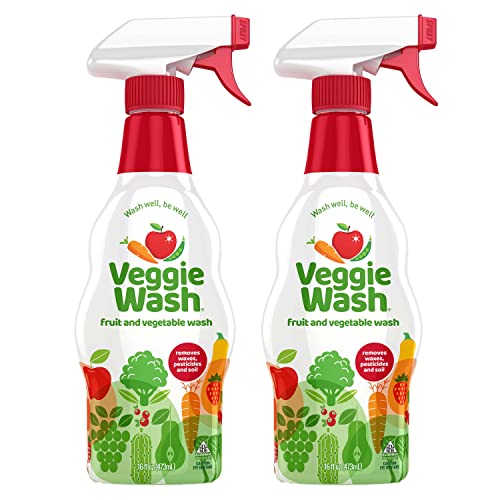
- produce wash spray for pesticides fruit and vegetable cleaner
- fruit and vegetable wash liquid safe for pesticides
- stainless steel produce brush for washing fruit and vegetables


Before You Start
Choose clean water and a clean sink area. Remove any damaged or bruised fruit, as residue tends to accumulate more on imperfect surfaces. Do not mix cleaners with bleach or ammonia. The process is quick, but allow a few extra minutes for thorough rinsing and air drying. Important: Wash produce just before eating or cooking, not hours ahead to avoid recontamination.
Step-By-Step: How To Clean Fruit From Pesticides
- Rinse the fruit under cool running water to remove loose soils and residues from the surface.
- If using a spray wash, apply the produce wash spray for pesticides fruit and vegetable cleaner according to label directions and cover all surfaces.
- Use the stainless steel produce brush for washing fruit and vegetables on firm skinned items like apples or cucumbers to dislodge residues without damaging the skin.
- For delicate fruit such as berries, gently agitate in a basin of water or apply a light spray rather than vigorous scrubbing to avoid bruising.
- Rinse again with clean cool water to wash away the cleaning solution and loosened residues.
- Optionally, use a second wash with the fruit and vegetable wash liquid safe for pesticides for an extra cleaning cycle on heavily treated produce.
- Dry the fruit with a clean towel or air dry on a clean surface before storage or consumption.
- Store washed produce promptly in a clean container to limit recontamination from the environment.
Troubleshooting
| Symptom | Likely Cause | Fix | Prevention |
|---|---|---|---|
| Residue remains on skin | Insufficient rinse or heavy coating | Rinse again and consider a second wash with a spray | Use fresh water and follow label directions |
| Discoloration after washing | Bruised or damaged fruit | Discard compromised areas | Inspect fruit before washing |
| Brush bristles shed into produce | Worn brush | Replace brush | Inspect brush regularly |
| Soapy taste after wash | Excess cleaning solution | Rinse thoroughly with plain water | Use recommended amounts only |
Common Mistakes
- Using hot water which can set some residues or damage produce
- Over scrubbing delicate fruit, causing bruising and release of juices
- Relying on a single wash for heavily treated produce
- Reusing dirty water for subsequent fruit washing
Tips For Best Results
- Wash produce immediately before consuming to reduce recontamination risk
- Keep a dedicated set of wash tools separate from kitchen cleaning items
- When possible, choose organic or locally grown options to minimize pesticide exposure
- For bulk washing, fill a clean basin with cold water and add a small amount of wash liquid as directed
- Label and store washed produce to help maintain cleanliness until use
Call A Professional
Seek professional guidance if the fruit shows persistent chemical odors, unusual surface films, or if there is concern about high residue levels on produce from a specific supplier. In these cases, contact local public health or agricultural extension services for advice.
FAQ
Can I use regular dish soap to wash fruit
Dish soap is not recommended for produce washing as it can leave residues and flavors that are not ideal for consumption.
Is a fruit and vegetable wash necessary
Not always, but it can improve cleansing by removing surface residues more effectively on some produce.
Does rinsing suffice for pesticide removal
Rinsing helps reduce residues, but combining rinsing with a dedicated wash and gentle scrubbing is more effective.
How should I dry washed fruit
Pat dry with a clean towel or air dry on a clean surface before storing.
Buying Guide
When evaluating wash products, consider size, effectiveness, and safety for food contact. Look for clear label instructions and proven ingredients that are safe for fruits and vegetables. Consider whether a spray or liquid format aligns with your routine and the types of produce you typically wash. Noise and energy use are usually minimal for these devices, but ease of use and accessibility matter for daily kitchen tasks. For larger households, a spray bottle with a strong, even mist may offer a quicker, less wasteful option, while a liquid wash could be more economical for frequent users. Finally, think about placement in the kitchen—near the sink or a dedicated produce area—to keep your washing routine efficient and hygienic.
Leave a Reply