How to Clean a Milk Frother Wand
Milk frother wands and steam wands can harbor milk residues and mineral buildup if not cleaned regularly. This practical guide explains a safe, effective routine to keep your frother wand hygienic and performing at its best. Follow the steps to prevent off-flavors and ensure quick foaming during your next espresso or latte.
Quick Answer
Clean the wand after every use with a quick wipe and a short rinse. Perform a deeper clean weekly or after brewing several drinks in a row. Use the right tools to reach tight spots and remove milk deposits from the tip and wand shaft.
What You’ll Need
- steam wand cleaning brush for espresso machine or a narrow brush to fit the wand
- milk frother wand cleaning brush set for multiple attachments and sizes
- Soft microfiber cloth or towel for wipe-downs
- Dish soap or mild cleaning solution
- Warm water for rinsing
- Optional descaling solution if mineral buildup is present

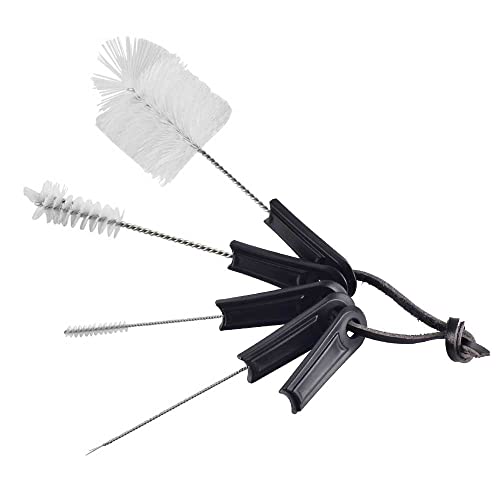

Before You Start
Prepare a clean work area and ensure the espresso machine is turned off and cooled before handling the wand. Keep electrical components dry and avoid submerging the wand in water unless the manufacturer allows it. The task should take about 5–15 minutes for routine cleaning and longer for a thorough clean.
Step-By-Step: How To Clean A Milk Frother Wand
- Wipe the exterior of the wand with a damp cloth to remove surface milk.
- Place a cup or container under the wand to catch splashes and prepare for flushing.
- Gently wipe the wand tip with a steam wand cleaning brush for espresso machine to remove milk rings.
- Inspect the groove or nozzle area; use the brush to loosen any dried milk deposits.
- Rinse the wand with warm water, allowing a small amount to run through the tip to clear the interior passage.
- If residue remains, mix a small amount of dish soap with warm water and scrub the wand shaft with the milk frother wand cleaning brush set.
- Rinse thoroughly until no soapy residue remains; wipe dry with a clean cloth.
- Run a quick steam purge with clean water: activate steam for a few seconds to flush out the line and then wipe again.
- Inspect for any remaining buildup; repeat steps 4–7 as needed.
- Perform a final wipe-down and store the wand in a dry, clean area until next use.
- For routine upkeep, establish a weekly cleaning schedule to prevent buildup and ensure consistent foam quality.
Troubleshooting
| Symptom | Likely Cause | Fix | Prevention |
|---|---|---|---|
| Milk doesn’t foam well | Blockage in wand tip or milk frother path | Clean with brushes and flush with warm water | Clean after each use |
| Strange odor | Milk residue breaks down inside wand | Deep clean using soapy water and rinse | Rinse and purge after each session |
| Leak at wand base | Loose connection or worn gasket | Tighten or replace the seal as needed | Inspect connections periodically |
| No steam or weak steam | Blockage or mineral buildup | Brush, flush, and consider descaling if required | Regular cleaning and occasional descaling |
Common Mistakes
- Using abrasive cleaners that scratch the wand surface
- Submerging electrical parts in water unless the manufacturer allows
- Skipping post-use cleaning, leading to dried milk buildup
- Forgetting to purge steam after cleaning, leaving residues
Tips For Best Results
- Clean the wand immediately after steaming to prevent milk from drying on the surface.
- Use the narrow brush first; switch to a thicker brush only if needed to reach tougher deposits.
- Maintain a regular cleaning schedule and keep a small bottle of mild dish soap handy near the machine.
- Consider a dedicated cleaning routine: quick wipe after every shot, weekly brush cleaning, and monthly deep clean if you use dairy milk daily.
Call A Professional
Contact a professional when you notice persistent leaks, damaged gaskets, or electrical concerns around the wand area. If the wand cannot be safely disassembled for cleaning or if descaling requires specialized equipment, seek service from an authorized technician.
FAQ
How often should I clean the steam wand?
At a minimum, wipe after each use and perform a thorough clean weekly.
Can I submerge the wand in water?
Only if the manufacturer specifies; most steam wands should not be fully submerged.
What tools are best for cleaning a frother wand?
A steam wand cleaning brush for espresso machines and a milk frother wand cleaning brush set work best for reaching tight areas.
What should I do if milk tastes off after cleaning?
Re-clean the wand with soap and water, flush with clean water, and consider a deeper clean if residues persist.
Buying Guide
When selecting cleaning tools for your frother wand, consider factor areas that influence performance and maintenance:
- Size and compatibility: Ensure brushes fit the wand diameter and nozzle shape of your machine.
- Material quality: Look for stiff nylon bristles that resist wear without scratching surfaces.
- Ease of use: Tools with long handles or angled heads reach tight spots without over-spraying.
- Maintenance frequency: A set with multiple brushes supports both quick cleans and deep cleans.
- Noise and mess: Choose compact, non-abrasive tools to minimize splashes and noise during cleaning.
- Storage: A compact kit that includes a holder or case helps keep cleaners accessible and organized.
For many users, a combination of a steam wand cleaning brush for espresso machine and a milk frother wand cleaning brush set offers the right balance of reach and versatility. When shopping, verify compatibility with your model’s wand type and check manufacturer recommendations to avoid damage. Does your routine include a quick daily wipe and a deeper weekly clean? A well-chosen kit supports consistent performance and better-tasting drinks. If in doubt, consult your machine’s manual or a professional service.
Leave a Reply