How to Clean Fridge Water Dispenser
Keeping the fridge water dispenser clean helps ensure fresh-tasting water and prevents mineral buildup or mold from developing in hard-to-reach areas. This guide provides practical steps using common tools and products available in U.S. households.
Regular cleaning is especially important for households with hard water, using the dispenser frequently, or sharing the appliance with multiple people. Following these steps can extend the life of the dispenser and maintain optimal performance without disassembling the unit.
Quick Answer
Disconnect the dispenser from power, empties the reservoir, apply a safe cleaner to the dispensing nozzle and reservoir, rinse thoroughly, and dry before reactivating. Use a dedicated fridge water dispenser cleaning kit or tablets designed for ice maker and water dispenser systems for best results.
What You’ll Need
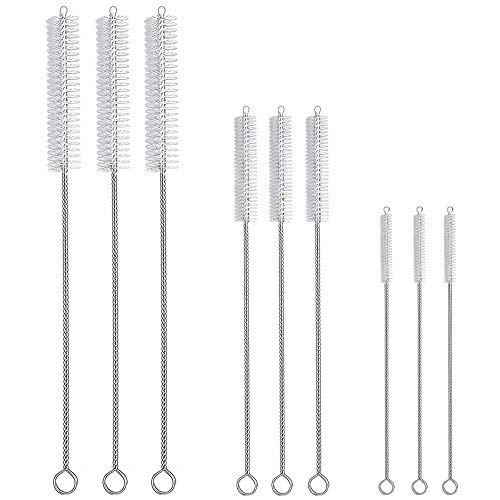
- refrigerator water dispenser cleaning brush
- fridge water dispenser cleaning kit
- ice maker and water dispenser cleaner tablets


Before You Start
Before beginning, unplug the refrigerator or switch it to a power-safe mode if available. Empty the water reservoir and disconnect any external hoses if required by the model. Wear protective gloves to avoid skin contact with cleaning solutions, and work in a well-ventilated area. Time estimate: about 30–45 minutes. Important: never use abrasive cleaners or bleach directly in the water line; use products labeled for ice makers and water dispensers.
Step-By-Step: How To Clean Fridge Water Dispenser
- Turn off and unplug the refrigerator, then place a towel under the dispensing area to catch drips.
- Remove the water pitcher or cup holder if the model includes one, and detach the water line if your unit permits safe disconnection.
- Fill the reservoir with warm water and a recommended dispenser cleaner tablet or kit solution per the product instructions.
- Let the cleaner circulate through the system by running a few cups from the dispenser to rinse the lines. Do not swallow the cleaning solution.
- Rinse the reservoir with clean water until the taste and odor are neutral, again circulating through the system to flush residues.
- Clean the exterior nozzle and drip tray with a soft cloth and mild cleaner; use the refrigerator water dispenser cleaning brush to reach tight spots without scratching surfaces.
- Reattach any hoses or components, plug the unit back in, and run clean water through the dispenser until all cleaner residues are gone.
- Discard the rinse water and wipe dry the dispensing area and tray to prevent pooling.
- Wipe down seals and gaskets with a damp cloth to remove any mineral deposits. If the model has a removable filter, check the manufacturer’s guidance for replacement timing.
- Test the dispenser with cold water, ensure there is no lingering chemical taste, and resume normal use.
- Schedule routine cleanings every 1–3 months depending on water quality and usage, increasing frequency in households with high mineral content.
Troubleshooting
| Symptom | Likely Cause | Fix | Prevention |
|---|---|---|---|
| Dispenser water tastes metallic or stale | Residues from old cleaner or mineral buildup | Run a thorough rinse cycle with clean water | Clean every 1–3 months; use proper tablets designated for dispensers |
| No water comes out or weak flow | Clogged nozzle or tubing | Remove and clean the nozzle; flush lines with cleaner and water | Inspect lines during routine cleanings |
| Leaks around dispenser | Loose fittings or worn seals | Tighten connections; replace seals if needed | Check fittings after every cleaning |
| Dispenser not cooling properly | Internal blockage or system error | Consult manual; reset unit or call support if needed | Follow manufacturer maintenance schedule |
Common Mistakes
- Using household bleach or strong cleaners not formulated for ice makers and water dispensers
- Failing to rinse thoroughly, leaving chemical taste
- Over-tightening fittings, which can cause leaks
Tips For Best Results
- Use lukewarm water for cleaning to improve mineral dissolution without damaging plastics
- Keep a regular cleaning schedule aligned with water hardness in your area
- Always run clean water after cleaning to remove any residual cleaning agent
- Inspect the dispenser’s nozzles and seals monthly to catch signs of wear early
Call A Professional
Contact a professional if the dispenser shows persistent leaks, unusual noises from the cooling system, or if the water fails to reach the dispenser after multiple thorough cleanings. Seek help immediately if there is a strong chemical odor that persists after rinsing, or if the unit fails to power on after maintenance.
FAQ
How often should I clean my fridge water dispenser?
Most households benefit from cleaning every 1–3 months, with higher frequency for hard water or heavy usage.
Can I use ordinary cleaning tablets in the dispenser?
Best results come from products designed for ice maker and water dispenser systems; avoid household cleaners not labeled for this purpose.
Is it normal for water to have a slight taste after cleaning?
A brief, mild taste may occur during the first few dispensing cycles; rinse until the taste is neutral.
Should I remove the water filter before cleaning?
Follow the manufacturer’s guidance; some models require removing or temporarily disabling the filter during cleaning.
What should I do if the dispenser leaks after cleaning?
Shut off power, inspect connections and seals, and if leaks persist, contact a technician.
Can I use vinegar to clean the dispenser?
Vinegar is generally not recommended unless explicitly approved by the manufacturer for your model.
Is it necessary to disinfect the reservoir?
Disinfecting is not always required; use a dedicated cleaner and rinse thoroughly to avoid residual chemicals.
Buying Guide
When choosing a fridge water dispenser cleaning setup or related products, consider size and compatibility with your model, the cleaning strength of tablets or kits, and how well the tools reach hard-to-clean areas. Noise level and energy efficiency are typically not affected by cleaning products, but ease of use matters for regular maintenance. Look for a kit that includes a dedicated cleaning brush and clear instructions. Durability and availability of replacement parts are also helpful for long-term maintenance. Would a compact cleaning kit fit your fridge’s design, or is a larger, more feature-rich kit preferable for frequent cleanings?
Leave a Reply