How to Clean Foggy Camera Lens
A foggy camera lens can ruin shots with hazy images and reduced contrast. Proper cleaning is essential to restore clarity without damaging delicate lens coatings. This guide outlines practical steps using common camera lens care tools to remove fog, smudges, and condensation safely.
With the right approach, you can quickly recover sharpness on your camera lens and keep it ready for travel, portraits, and everyday photography. The methods below emphasize safe handling, appropriate cleaning products, and preventative habits to minimize future fogging.
Quick Answer
Start by removing loose moisture with an air blower. Gently wipe the lens with a microfiber cloth using a circular motion, applying a small amount of anti-fog spray if needed. For stubborn spots, use a lens cleaning pen with soft, precise strokes. Always finish with a dry microfiber wipe to remove any remaining residue.
What You’ll Need
- camera lens cleaning kit
- microfiber cloth (soft, lint-free)
- air blower (blows away dust without contact)
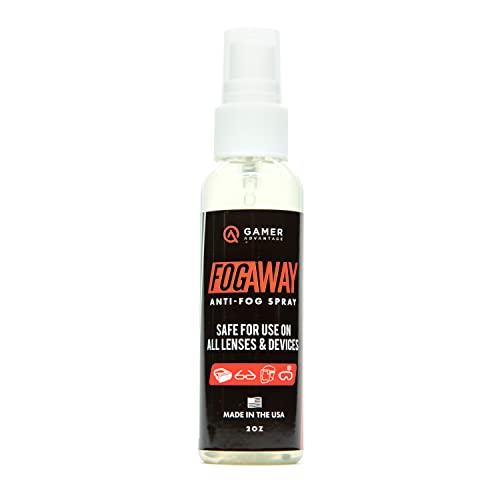
- anti-fog spray for camera lenses
- lens cleaning pen for camera lens


Before You Start
Inspect the lens for visible damage or loose filters before cleaning. Work in a clean, dust-free area to prevent new particles from settling on the glass. If the lens is wet from rain or condensation, wait for it to dry to a manageable level before cleaning. Do not use household cleaners, acetone, or ammonia-based products, as these can damage coatings. Time estimate: 5–10 minutes for routine fog removal, longer for stubborn smudges.
Step-By-Step: How To Clean Foggy Camera Lens
- Power off the camera and remove the lens cap to access the front element.
- Use an air blower to dislodge loose dust from the lens surface. Hold the blower nozzle at a slight angle and avoid direct contact with the glass.
- Wipe the lens edge-to-center with a microfiber cloth, using light, circular motions. Do not press hard, which can push debris into the coating.
- If fogging persists, apply a small amount of anti-fog spray for camera lenses onto a clean microfiber patch or directly onto the cloth. Avoid spraying directly on the lens to prevent liquid seepage into the housing.
- For stubborn smudges, use a lens cleaning pen with a clean, retractable brush to lift particles, then gently wipe with the microfiber cloth.
- Recheck the surface under good lighting. If needed, repeat the gentle wipe in small, circular motions.
- Inspect the lens edges for condensation. If fog reappears, place the camera in a dry, well-ventilated area for a few minutes and reattempt cleaning.
- After cleansing, reattach the cap or protective filter if used and store the kit in a clean, dry place to prevent future fogging.
- Test on a short shot or test chart to confirm clarity before resuming normal photography.
- For ongoing fogging issues in humid environments, consider keeping a small desiccant pack in your camera bag to reduce moisture exposure.
Troubleshooting
| Symptom | Likely Cause | Fix | Prevention |
|---|---|---|---|
| Fogging after cleaning | Residual moisture or rapid temperature changes | Dry lens thoroughly; avoid breathing directly on the lens during cleaning | Store in a dry bag; acclimate equipment to ambient temperature |
| Smeared or smeary coating | Excess spray or contaminated cloth | Use minimal spray; switch to a fresh microfiber cloth | Always wipe with clean materials |
| Dust returns quickly | Dirty environment or improper storage | Clean storage area; seal lens when not in use | Keep in a dedicated camera bag with a desiccant |
| Scratches on glass | Rough cloth or abrasive material | Switch to a new microfiber cloth; avoid rubbing hard | Inspect cloth before use; never use paper products |
Common Mistakes To Avoid
- Cleaning with household wipes or abrasive materials
- Spraying cleaners directly onto the lens surface
- Rubbing aggressively, which can scratch coatings
- Using dirty or lint-laden cloths
- Ignoring condensation buildup inside the camera body
- Neglecting to fully dry the lens before reassembly
Tips For Best Results
- Work in a clean, dust-free area to minimize new particles.
- Always use a dedicated lens cleaning kit designed for camera optics.
- Apply anti-fog products sparingly and follow the manufacturer’s instructions.
- Store lenses with desiccant packs to reduce humidity during transport.
- Regularly inspect lens coatings and replace cleaning accessories when worn.
Call A Professional
Seek professional help if you notice persistent fogging after cleaning, visible coating damage, or moisture trapped inside the lens elements. Signs to stop DIY cleaning include fogging that returns within minutes, unusual cloudiness across the entire image, or suspect leakage from the lens mount. A qualified camera technician can diagnose seal issues or internal condensation and perform safe repairs.
FAQ
Can I use water to clean a foggy lens?
Water alone is not recommended for camera lenses; use dedicated lens cleaning products or a light dampened microfiber cloth and follow with a dry wipe.
Is anti-fog spray safe for all lenses?
Most anti-fog sprays are designed for camera lenses, but test on a small area first and avoid coatings that are not compatible with your lens.
How often should I clean my camera lens?
Clean as needed when you notice fogging or smudges. Regular maintenance can prevent buildup during trips or long shoots.
What should I do if the fog returns after cleaning?
Assess humidity and temperature changes, re-clean with fresh materials, and consider limiting exposure to damp environments or using desiccants.
Are there alternatives to a lens cleaning pen?
Microfiber cloths and soft brush tools can substitute for a cleaning pen, as long as they are clean and used gently.
Should I remove the lens filter before cleaning?
Yes, remove any protective filter to access the glass properly and clean both surfaces separately.
Buying Guide
When choosing cleaning tools for foggy camera lenses, consider size, portability, and compatibility with your gear. A compact camera lens cleaning kit with a few essential items is ideal for travel. Look for a soft microfiber cloth that won’t scratch coatings and a reliable air blower to remove dust before wiping. For persistent fog, choose a reputable anti-fog spray for camera lenses that is safe for coated glass. A lens cleaning pen for camera lens can be handy for targeted spots but should be used sparingly. Evaluate noise, battery-free operation, and durability for field use.
Key buying factors include:
- Size and portability: A compact kit fits in a camera bag without bulk.
- Noise level: Prefer silent air blowers; avoid heavy, loud compressors.
- Energy efficiency: Manual, non-powered tools are most reliable in the field.
- Controls: Simple, intuitive use without complicated parts.
- Placement: Store in a dry, protective case to reduce moisture exposure.
Leave a Reply