How to Clean Floating Floors Safely and Effectively
Floating floors, including laminate and luxury vinyl planks, offer practical beauty and easy maintenance. This guide provides a clear, step-by-step approach to cleaning floating floors without causing damage. By following the methods below, homeowners can keep floors looking fresh and prolong their life.
Quick Answer
Use a damp microfiber mop with a gentle cleaner designed for laminate or vinyl floors. Avoid soaking the floor, use a dedicated floor spray bottle when needed, and tackle tough stains with a light scrubbing brush attachment if your system supports it.
What You’ll Need
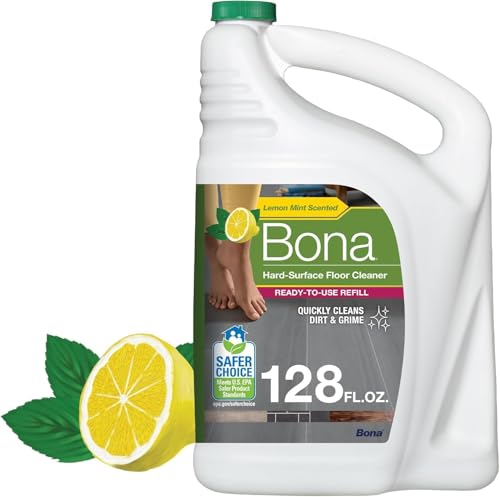
- Laminate floor spray mop with safe cleaner refill
- Microfiber mop head for laminate flooring
- Vinyl plank floor scrubbing brush attachment


Before You Start
Prepare a clean, dry area to set aside tools. Protect baseboards and moldings by using a damp pad rather than a saturated mop. Avoid excess water which can seep into seams and cause swelling. Time-wise, allocate 20–40 minutes for regular cleaning of a typical room. If kids or pets are present, choose a low-toxicity cleaner and ensure ventilation during cleaning.
Step-By-Step: How To Clean Floating Floors
- Remove loose dirt with a dry microfiber mop to prevent scratching during wet cleaning.
- Fill the spray bottle or mop refill with the suitable cleaner for laminate or vinyl floors, following product directions.
- Mist a light, even mist across a small section of the floor, then wipe with the microfiber mop head. Do not flood the surface.
- For stubborn spots, switch to the vinyl plank floor scrubbing brush attachment and gently scrub in a circular motion.
- Rinse or re-wipe with a damp, clean microfiber pad to remove any residue left by cleaning products.
- Move to the next section and repeat until all areas are clean, ensuring the mop head is clean and not dripping.
- Dry the floor with a clean, dry microfiber pad or towel to prevent water from seeping into seams.
- Inspect for any missed spots and treat with a light cleaner if needed, avoiding excessive moisture.
- Return tools to storage and ensure the area is completely dry before walking on the floor again.
Troubleshooting
| Symptom | Likely Cause | Fix | Prevention |
|---|---|---|---|
| Streaks after cleaning | Residue from cleaner | Wipe with a clean, damp microfiber pad | Use the recommended cleaner for laminate or vinyl |
| Floor feels tacky | Over-wetting or too much cleaner | Stretch a thin, even layer and dry promptly | Apply less solution next time |
| Scratches after cleaning | Dirty mop head or abrasive pad | Wash or replace mop head; use soft microfiber only | Clean tools between rooms |
| Water marks along seams | Excess moisture | Use less water and dry promptly | Avoid puddling near seams |
Common Mistakes
- Using a soaking wet mop or letting water pool on the floor
- Applying harsh chemicals not formulated for laminate or vinyl
- Using abrasive brushes that can scratch the surface
- Neglecting to dry the floor after cleaning
Sticking to manufacturer-recommended products and tools minimizes these risks and keeps floors looking new longer.
Tips For Best Results
- Dust floors daily with a dry microfiber pad to reduce dirt buildup.
- Perform a light cleaning weekly and a deeper clean monthly, depending on traffic.
- Rotate cleaning tools to ensure even wear on mop heads and brushes.
- Store cleaners out of reach of children and pets, and ventilate during use.
- Test cleaners in an inconspicuous area before full-room application.
Call A Professional
Consider a pro if:
- Floors show widespread swelling, warping, or blistering
- Stubborn stains persist after multiple cleanings
- Uncertainty about the correct cleaner for your flooring type
FAQ
Can I use any spray cleaner on laminate flooring?
Use a cleaner specifically designed for laminate or vinyl to avoid damage or residue buildup.
Is it safe to use water on floating floors?
Yes, but avoid soaking the floor and dry promptly to prevent damage to seams.
How often should I clean floating floors?
Light daily maintenance plus a deeper clean every one to two weeks, depending on traffic and pets.
What should I do about spills?
Blot spills promptly with a dry cloth and clean the area with a damp microfiber pad.
Can I use household detergents?
Avoid general household detergents that can leave residues; opt for products labeled for laminate or vinyl floors.
Do I need a different tool for stubborn spots?
Yes, a vinyl plank floor scrubbing brush attachment can help remove stubborn spots without scratching.
Buying Guide
When choosing cleaning tools for floating floors, consider size, noise, and ease of use. A lightweight spray mop with a safe cleaner refill simplifies routine maintenance. Look for a microfiber mop head designed for laminate and vinyl to maximize dirt pickup. A dedicated scrubbing brush attachment can help with stubborn spots without damaging the surface. Noise level matters for apartments or shared walls; choose quieter models if possible. Energy efficiency isn’t a primary factor here, but an efficient spray refill reduces waste. For placement, keep storage compact and out of reach of children and pets.
Additional Considerations
Addressing the specifics of your flooring type—laminate or vinyl plank—ensures compatibility with the cleaning products. If you own multiple floating floor types in different rooms, select a modular cleaning system that can switch between a microfiber pad and a foam or scrub brush. Always follow the manufacturer’s directions for any cleaning solution and test in a hidden corner first. Regular maintenance helps preserve the floor’s finish and reduces the likelihood of moisture-related damage.
Leave a Reply