How to Clean a Flat Iron Without Alcohol
Keeping a flat iron clean without harsh chemicals is important for hair health and device longevity. This guide shows practical, alcohol-free methods using common tools to remove buildup, sanitize the plates, and protect the appliance.
Quick Answer
Use a soft, damp microfiber cloth to wipe the plates after cooling, then brush away residue with a flat iron cleaning brush. For stubborn gunk, apply a small amount of mild, non-abrasive cleaner on the cloth and wipe, followed by a dry microfiber wipe. Always finish with a heat-safe silicone mat to cool and protect surfaces.
What You’ll Need
- Flat iron cleaning brush — small, soft-bristled brush designed for plate cleaning
- Microfiber cloth for hair straightener cleaning — lint-free and gentle on coatings
- Heat resistant silicone mat for flat iron — protects surfaces and keeps the iron in place while cooling
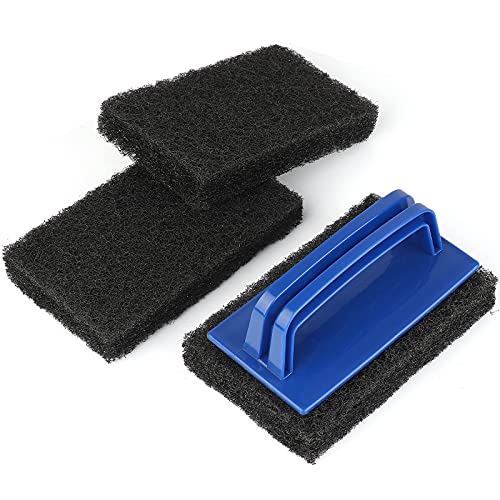


Before You Start
Ensure the flat iron is unplugged and completely cooled before starting. Work over a heat-resistant surface or mat to prevent damage. Use a minimal amount of cleaner to avoid residue transfer to hair. Avoid abrasive cleaners, ammonia, or bleach as they can damage coatings and shorten the life of the plates. Plan for 5–10 minutes per cleaning session, depending on buildup.
Step-By-Step: How To Clean A Flat Iron Without Alcohol
- Unplug the iron and wait for it to cool fully to room temperature, then place it on a heat resistant silicone mat for flat iron.
- Wipe the plates with a microfiber cloth for hair straightener cleaning dampened slightly with warm water to remove surface oil.
- Use the flat iron cleaning brush to lightly brush away loose buildup along the plate edges and hinge area.
- For sticky residues, dampen a corner of the microfiber cloth with a small amount of mild soap and water, then gently rub the affected area in smooth, circular motions.
- Wipe again with a clean, damp microfiber cloth to remove soap residue, then dry with a separate section of the cloth.
- Turn the iron to a low heat setting and run a clean cloth over the plates for a final pass to dry any moisture and ensure smooth contact.
- Let the iron cool completely on the silicone mat before storing, ensuring the mat protects the surface underneath.
- Inspect the plates for any remaining residue. If needed, repeat the gentle cleaning steps with minimal moisture.
- Return the iron to storage with a dry microfiber cloth nearby to quickly address future touch-ups.
- Establish a routine: wipe after every few uses to minimize buildup and reduce heavy cleaning sessions.
- Consider a light, periodic wipe with a tiny amount of mild cleaner to control stubborn film without introducing moisture or residue.
Troubleshooting
| Symptom | Likely Cause | Fix | Prevention |
|---|---|---|---|
| Leftover sticky residue on plates | Product buildup or styling product residue | Clean with mild soap and water, repeat as needed | Wipe plates after each use; avoid concentrated products near plates |
| Discoloration or stains | Prolonged heat exposure and residue | Gently scrub with brush and a mild cleaner; dry thoroughly | Use protective silicone mat; keep usage light on cleaning |
| Excess moisture after cleaning | Water trapped in crevices | Wipe dry; run on low heat briefly to evaporate | Use minimal moisture; ensure cloth is only damp, not wet |
| Uneven heat contact | Debris on plates or misalignment | Clean plates thoroughly; inspect hinge and alignment | Regular maintenance; avoid metal scrapers |
Common Mistakes
- Using abrasive pads that scratch plate coatings
- Applying too much cleaner or liquid directly to the iron
- Cleaning while the device is hot or still plugged in
- Relying on sanitizer sprays that leave a film
Sticking to gentle, alcohol-free methods helps preserve plate integrity and performance. A routine approach reduces buildup and makes each cleaning session quicker.
Tips For Best Results
- Always place the iron on a heat resistant silicone mat for flat iron during and after cleaning to prevent surface damage.
- Use a microfiber cloth for hair straightener cleaning because it lifts oils without leaving lint.
- Do a quick wipe after each use if styling products are used regularly to prevent heavy buildup.
- Store the iron in a cool, dry place to minimize moisture-related issues on the plates.
- If you notice persistent residue, consider a slightly more frequent cleaning schedule to avoid deep cleaning sessions.
Call A Professional
Contact a professional if the plates show deep scratches, signs of warping, or if the iron fails to heat evenly after cleaning. Do not attempt repairs yourself if there are unusual smells, sparks, or overheating issues, as these indicate a potential electrical problem.
FAQ
Can I use water alone to clean my flat iron without alcohol?
Yes, a damp microfiber cloth can remove surface oils, followed by thorough drying and a light wipe with a clean cloth.
Is it safe to use soap on the plates?
Yes, a mild soap with water is generally safe when used sparingly and wiped away completely.
How often should I clean my flat iron?
Clean after heavy product use or every few uses, depending on buildup visibility.
What should I do if I see heat discoloration after cleaning?
Discoloration can occur from heat exposure; continue gentle cleaning and confirm there is no residue causing uneven heating.
Can I use household cleaners other than soap and water?
Avoid harsh cleaners; use mild cleaners designed for delicate surfaces and always rinse well.
Is a protective mat really necessary?
A heat resistant silicone mat protects surfaces and helps organize cooling, reducing accidental contact with hot plates.
Should I unplug the iron during cleaning?
Yes, always unplug and let it cool completely before cleaning.
Buying Guide
When choosing tools to support alcohol-free cleaning of a flat iron, consider these factors for better results and safety:
- Size and compatibility: Ensure tools fit your iron’s plate size; some brushes are designed for standard plate dimensions.
- Noise level: Soft-bristled brushes operate quietly, reducing disruption in shared spaces.
- Material quality: High-quality microfiber cloths resist lint and are gentle on coatings; silicone mats should be heat resistant and non-slip.
- Ease of cleaning: Tools that are easy to rinse and dry save time and prevent residue transfer.
- Durability: Look for brushes with replaceable heads or sturdy construction for long-term use.
For best results, pair a flat iron cleaning brush with a microfiber cloth for hair straightener cleaning and a heat resistant silicone mat for flat iron. This trio covers most routine maintenance needs without resorting to alcohol-based cleaners. Regular, light maintenance keeps plates smooth, extends device life, and preserves hair health during styling.
Leave a Reply