How to Clean Filtration Soiling on Carpet
Filtration soiling, caused by trapped dust, soot, or residue from HVAC systems, can cling to carpet fibers and look dingy over time. This guide explains a practical, step-by-step approach using common carpet cleaning equipment to restore brightness and extend carpet life. The steps emphasize safe handling, effective extraction, and minimizing moisture to prevent mold growth.
Quick Answer
To address filtration soiling on carpet, set up a carpet cleaning extractor or steam cleaner with hot water, pre-treat stains, thoroughly extract with clean water, and allow ample drying time. Repeat as needed for stubborn spots, and follow up with a protective rinse to prevent residue buildup.
What You’ll Need
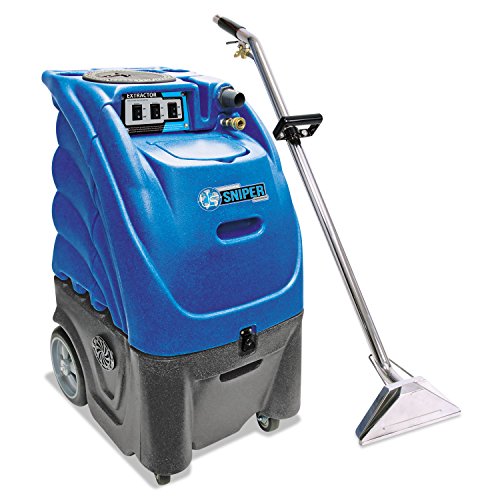
- Carpet Cleaning Extractor Machine Hot Water Dual-Tank
- Carpet Steam Cleaner With Upholstery And Stair Attachments
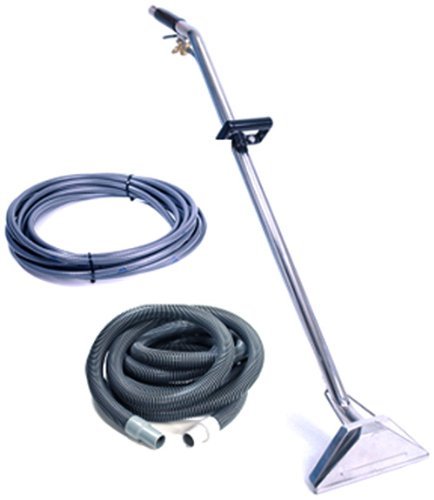
- Carpet Cleaning Wand Kit With Hoses And Spray Jets Professional

Before You Start
Clear the area and vacuum the carpet to remove loose debris. Test cleaning equipment on a discreet section to ensure colorfastness. Work in manageable sections to maintain even dryness. Plan for longer drying times in humid environments. Wear protective gloves and follow manufacturer safety guidelines for all equipment and cleaning solutions.
Step-By-Step: How To Clean Filtration Soiling On Carpet
- Pretreat suspicious spots with a mild upholstery-safe cleaner, focusing on edges where filtration soiling tends to concentrate.
- Fill the extractor’s clean water tank with hot water and add the recommended cleaning solution per product instructions.
- Attach the wand with spray jets, test spray on a hidden area, and then begin cleaning in small, overlapping passes.
- Push the wand forward to deposit cleaning solution and pull back to extract dirty water; use steady, even strokes.
- Reload the dirty water tank as needed and periodically flush with clean water to prevent redepositing soil.
- Rinse with a clean water pass to remove any remaining detergent or residue that can attract more dirt.
- Rake or brush the carpet lightly after cleaning in high-soil zones to loosen compacted fibers before final extraction.
- Open windows or use fans to speed drying; avoid walking on the area until fully dry to prevent new soil transfer.
- Inspect treated areas and repeat the cleaning cycle on stubborn zones if necessary.
- After drying, vacuum again to lift any remaining loosened fibers and restore pile appearance.
- Store equipment according to manufacturer instructions, ensuring hoses are dried and coils are untangled.
- Document any color loss or unusual odors; seek professional help for persistent staining or moisture concerns.
Troubleshooting
| Symptom | Likely Cause | Fix | Prevention |
|---|---|---|---|
| Streaking or wet lines | Uneven extraction or over-wetting | Slow, overlapping passes; reduce water flow | Maintain consistent pressure and technique |
| Residue after cleaning | Leftover detergent | Rinse with clean water pass | Use recommended dilution and a rinse step |
| Persistent odor | Moisture trapped or stains | Extend drying time; treat stain areas again | Improve ventilation during drying |
| Re-soiling quickly | Residue left in carpet or underlayment | Deep clean or consult pros | Use high-quality cleaners designed for carpets |
Common Mistakes
- Using overly soapy solutions that leave residues
- Rushing through cleaning and leaving moisture behind
- Not testing a small area before full application
Avoid these pitfalls by following manufacturer recommendations and performing a test patch before full-scale work.
Tips For Best Results
- Work in cool, dry environments to speed up drying time
- Use hot water extraction when the carpet fibers tolerate heat well
- Consider a post-cleaning rinse to prevent soil attraction
- Keep a backup cleaning solution in case of tough filtration spots
Call A Professional
Contact a pro if there are signs of significant staining, persistent odors, or moisture trapping after cleaning. Stop and seek professional help if you notice delamination, color bleeding, or widespread seepage near walls, or if you lack proper equipment for extraction.
FAQ
Is filtration soiling harder to remove than regular dirt?
Filtration soiling often adheres closely to fibers and may require repeated passes and a thorough rinse.
What equipment works best for carpet filtration soiling?
Carpet cleaning extractor machines with hot water dual-tank systems and wand kits with jets are effective options.
How long should the carpet dry after cleaning?
Drying time varies by humidity and airflow but usually ranges from 4 to 24 hours.
Can I use household cleaners for filtration soiling?
It is best to use products designed for carpet cleaning and follow the manufacturer’s instructions to avoid residue buildup.
Buying Guide
When choosing equipment to tackle filtration soiling on carpet, consider size, noise, energy use, and placement needs. A compact extractor with a hot water dual-tank setup can clean area rugs and stairs, while a larger unit suits high-traffic rooms. Look for powerful suction, easy hose management, and adjustable spray patterns. Noise levels matter for homes with nearby bedrooms or open floor plans. Energy-efficient models save power during repeated cleanings. For placement, ensure hoses reach all areas without dragging on damp carpet. Compare warranties and service support to protect your investment.
Leave a Reply