How to Clean a Fiberglass Tub With a Textured Bottom
Fiberglass tubs with textured bottoms can be difficult to clean due to grooves and rough surfaces that trap soap scum, grime, and mineral deposits. This guide provides a practical, step-by-step method using common cleaning tools that are gentle on fiberglass yet effective at tackling texture. The goal is a bright, residue-free finish without scratching or dulling the surface.
Quick Answer
Use a non-scratch nylon-bristle scrub brush or scrub pad designed for fiberglass, paired with warm water and a mild cleaner. Focus on grooves with light scrubbing in a circular motion, rinse thoroughly, and repeat if needed. For stubborn spots, a non-scratch scouring pad can help, followed by a thorough rinse and dry.
What You’ll Need
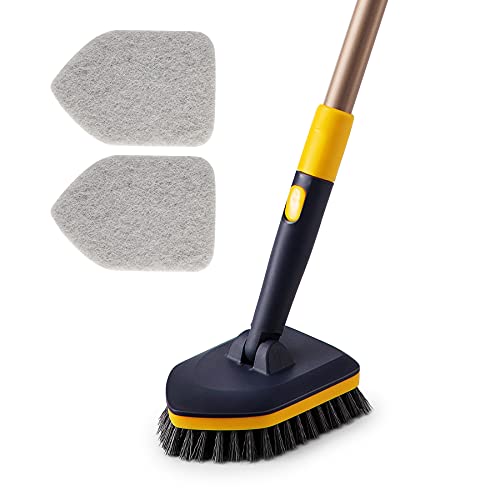
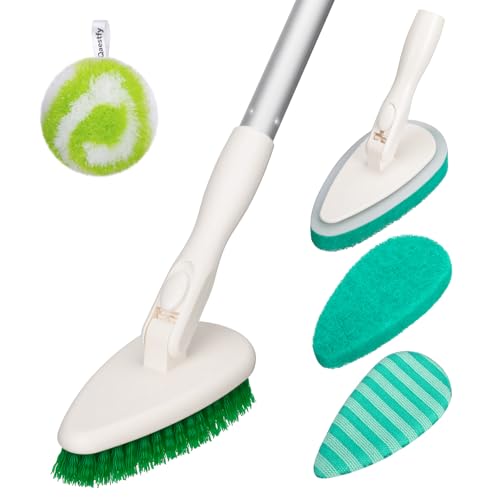
- Fiberglass tub cleaning brush non-scratch nylon bristle with extendable pole — reach textured bottom corners without bending
- Bathtub scrub brush for textured bottom nylon bristles extendable handle — designed for grooves
- Non-scratch scouring pad for fiberglass tubs heavy-duty tub scrub — for persistent grime
- Warm water
- Gentle, non-abrasive bathroom cleaner or mild dish soap
- White vinegar or baking soda (optional, for mineral deposits)
- Soft microfiber cloth or sponge for rinsing and drying

Before You Start
Prepare the area by removing bath mats and toiletries to prevent contamination and allow full access to the tub surface. Ventilate the bathroom to reduce fumes from cleaners. Test any cleaner on a small, inconspicuous area of the tub for colorfastness. Time estimates range from 15 to 30 minutes depending on grime level. Never use abrasive metal pads or harsh solvents on fiberglass; they can dull the surface or create scratches.
Step-By-Step: How To Clean A Fiberglass Tub With A Textured Bottom
- Rinse the tub with warm water to loosen loose residue and wet the textured bottom evenly.
- Apply a small amount of mild cleaner or dish soap to the extended-bristle brush and start at one end of the textured area.
- Using non-scratch nylon bristle tools, scrub in gentle circular motions along all grooves. Let the bristles do the work to avoid scrubbing too hard.
- For deeper grooves, switch to the extended-handle textured bottom brush and apply light pressure to lift soap scum from the texture.
- For stubborn mineral deposits, sprinkle a little baking soda on the damp area and scrub with the non-scratch scouring pad. Avoid circular scrubbing if it causes dulling; use light, even pressure.
- Rinse thoroughly with warm water, ensuring all cleaner and residues are flushed from the textured channels.
- Inspect the surface and repeat steps on any remaining spots. For acidic cleaners, limit contact time to a few minutes and rinse completely to prevent residue buildup.
- Dry the tub with a soft microfiber cloth to prevent water spots and mildew buildup.
- Return mats and items after the tub is fully dry to minimize recontamination of the surface.
- Optionally, apply a light, fiberglass-safe polish or protectant per product directions to maintain the surface between cleanings.
- Store brushes and pads in a dry area after use to prevent bristle breakdown and mildew.
Troubleshooting
| Symptom | Likely Cause | Fix | Prevention |
|---|---|---|---|
| Persistent soap film after rinse | Leftover cleaner or hard water residue | Re-rinse with clean water and wipe dry | Rinse thoroughly after cleaning; dry surfaces |
| Streaks or dull texture | Overly aggressive scrubbing or abrasive pad | Switch to non-scratch pads and gentle motions | Use soft brushes; test cleaners first |
| Rough feel in textured grooves | Mineral buildup inside grooves | Apply baking soda paste and scrub with nylon brush | Regular cleaning to prevent buildup |
| Discoloration after cleaning | Harsh cleaner or old soap scum | Switch to milder cleaner and rinse well | Patch test cleaners and avoid strong solvents |
Common Mistakes
- Using steel wool or metal scrubbers on fiberglass surfaces
- Overly aggressive scrubbing that damages the textured bottom
- Failing to rinse completely, leaving cleaner residue behind
- Not drying the tub after cleaning, which can promote mildew
Tips For Best Results
- Schedule regular cleanings to prevent heavy buildup in textured grooves
- Use extendable brushes to reach corners without excessive bending
- Alternate between a mild cleaner and baking soda for mineral deposits
- Keep a small spray bottle of diluted cleaner for quick touch-ups between deep cleans
- After cleaning, consider a fiberglass-safe protective wipe to reduce future staining
Call A Professional
Consider contacting a professional if the tub shows deep staining that does not respond to routine cleaning, or if the surface appears dull, cracked, or warped. Seek help if there is visible damage to the fiberglass or if mold growth extends beyond easy cleaning reach. Do not attempt heavy-duty restoration without proper guidance.
FAQ
Can I use vinegar on a fiberglass tub with a textured bottom?
Yes, white vinegar can help dissolve mineral deposits when used diluted; rinse well afterward.
Is a nylon brush safe for textured fiberglass?
Yes, nylon brushes are gentle on fiberglass and effective for textured surfaces when used with light pressure.
How often should I clean a textured fiberglass tub?
Weekly light cleaning or after heavy use helps prevent buildup; deep cleaning every 1–2 weeks is common.
What should I avoid using on textured fiberglass bottoms?
Avoid metal pads, abrasive cleaners, and strong solvents that can scratch or dull the surface.
Buying Guide
Choosing the right tools and approach for cleaning a fiberglass tub with a textured bottom depends on several factors:
- Size and texture: A larger tub with deep grooves benefits from extendable brushes and specialized scrub pads.
- Noise level: Manual scrubbing is quiet; electric tools may add noise but can speed up heavy-duty cleaning if used carefully.
- Energy and water use: Mild cleaners and short rinses reduce water usage; consider spray bottles for targeted applications.
- Controls: Simple, non-electric tools minimize maintenance; extendable handles improve reach without bending.
- Placement: Store brushes in a dry area away from direct sunlight to preserve bristle integrity.
When comparing products, look for non-scratch nylon bristles, extendable handles, and compatibility with fiberglass. Consider a combined kit that includes a textured-bottom brush and a non-scratch scouring pad for stubborn spots. If a kit emphasizes gentle cleansing and long reach, it is well-suited for textured fiberglass tubs. Always follow manufacturer instructions for best results and surface longevity.
Leave a Reply