How to Clean a Fence With a Pressure Washer
Clean fences effectively while protecting the wood or vinyl surface and nearby landscaping. This guide walks American homeowners through a safe, efficient approach using a pressure washer, an extendable pole scrub brush, and appropriate cleaning solutions.
Quick Answer
Assemble a pressure washer around 2000 psi with an adjustable nozzle, attach an extendable pole deck and fence scrub brush with stiff bristles, and apply a suitable fence cleaning solution. Work from top to bottom with steady, overlapping passes, and rinse thoroughly. For stubborn stains, repeat with a gentler nozzle before finishing with a clean rinse.
What You’ll Need
- Pressure washer 2000 psi fence cleaning with adjustable nozzle
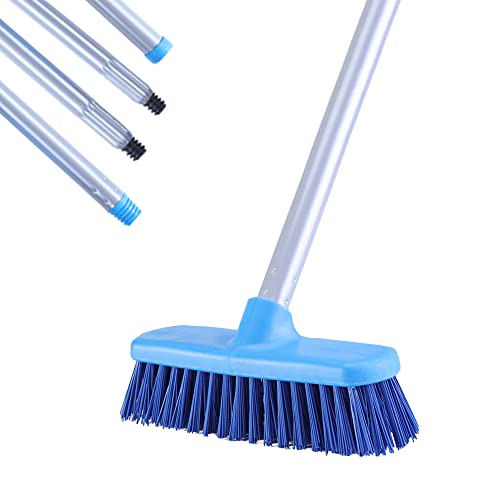
- Extendable pole deck and fence scrub brush stiff bristles
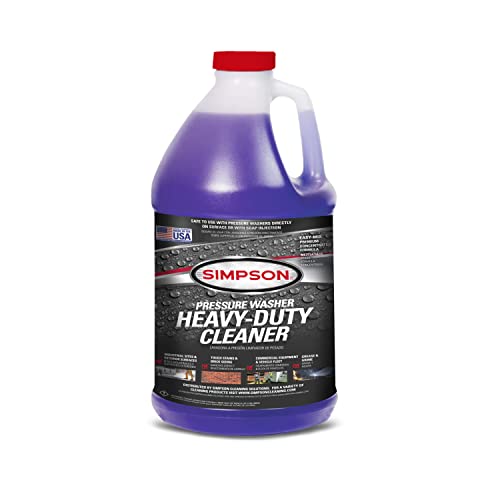
- Fence cleaning solution for pressure washer exterior surfaces

Before You Start
Inspect the fence for loose boards, nails, or warped sections. Seal off nearby plants or grass to protect them from cleaning solution and overspray. Test the cleaner on a small, inconspicuous area to ensure no surface damage. Time estimate: 1–3 hours depending on fence size and texture. Always wear eye protection and gloves, and keep children and pets away during cleaning.
Step-By-Step: How To Clean A Fence With A Pressure Washer
- Set up the pressure washer on a stable surface and connect the garden hose. Attach the adjustable nozzle to switch between wide and focused spray.
- Attach the extendable pole scrub brush to the spray wand if your fence is tall or hard to reach. Ensure the brush bristles are rated for exterior cleaning.
- Mix the fence cleaning solution for pressure washer exterior surfaces according to the product directions. Pour into the detergent reservoir or use the soap nozzle if your unit supports it.
- Apply the cleaning solution from top to bottom, starting at the fence’s upper edge. Let the solution sit for 5–10 minutes to loosen dirt and mildew.
- Switch to a low-pressure spray to scrub with the extension brush, working in even, overlapping strokes. Focus on grooves, boards, and decorative details without forcing water into gaps.
- Rinse with a high-volume, low-pressure sweep from top to bottom. Maintain a steady distance to avoid gouging the surface. Rinse away all cleaning residue thoroughly.
- For stubborn stains, repeat the cleaning cycle on affected areas, using a shorter dwell time and a gentler nozzle setting to prevent damage.
- Inspect the fence after cleaning. Allow it to dry completely before staining, painting, or replanting nearby vegetation.
- Store the equipment properly: disconnect power, relieve pressure, and coil hoses away from direct sun.
Troubleshooting
| Symptom | Likely Cause | Fix | Prevention |
|---|---|---|---|
| Faint mist or no spray | Incorrect nozzle or low water supply | Check hose, water inlet, and adjust nozzle to a wider spray | Ensure steady water flow before cleaning |
| Surface looks etched or gray | Excessive pressure | Switch to a lower PSI setting or wider spray pattern | Test on a hidden area first |
| Splintering or lifted paint | Excessive dwell time or high pressure on painted surfaces | Cease high-pressure use; use a softer approach or skip if flaking | Use surface-appropriate cleaning methods |
| Streaks after rinse | Residue from cleaning solution | Rinse with clean water at lower pressure | Rinse evenly from top to bottom |
Common Mistakes
- Using too much pressure on delicate wood or vinyl surfaces
- Holding the nozzle too close to the fence or lingering over one spot
- Skipping a test patch before full cleaning
- Neglecting to protect nearby plants and grass from chemicals
Prevent issues by starting with the lowest effective pressure, maintaining a consistent distance, and following product directions for cleaning solutions.
Tips For Best Results
- Work in shaded areas to extend dwell time without rapid drying, which helps cleaning solutions work more effectively.
- Adjust the nozzle for targeted cleaning on heavily soiled sections and switch to wider patterns for broad surfaces.
- Keep the extension brush perpendicular to the fence to maximize bristle contact without gouging.
- Protect delicate plants with plastic sheeting or a wide barrier during cleaning and rinsing.
- Allow the fence to dry fully before applying any stain or sealant after cleaning.
Call A Professional
Seek professional help if the fence has extensive rotting, warped boards, structural damage, or if cleaning reveals that paint or stain is failing and may require stripping and resealing. Stop cleaning and consult a pro if you notice deep cracks, mold growth beyond surface mildew, or pest-related damage that requires specialized treatment.
FAQ
Can I use a standard garden hose with a pressure washer?
Most units require a dedicated water supply; check the manufacturer’s instructions for the correct inlet requirements and ensure adequate water flow.
Is it safe to use bleach or chlorine solutions on a wooden fence?
Bleach-based cleaners can be effective but may discolor wood and damage nearby plants. Follow product directions and consider milder cleaners for wood.
How often should I clean my fence with a pressure washer?
Frequency depends on climate and exposure. In humid or coastal areas, cleaning every 1–2 years helps prevent mildew buildup and maintains surface integrity.
Should I power wash a newly installed fence?
Wait at least a few weeks for new wood to acclimate. Start with a low pressure setting to avoid surface damage and check for warranty guidance from the fence manufacturer.
Buying Guide
Choosing the right setup for fence cleaning involves several factors. Consider the fence material (wood, vinyl, composite) and expected dirt levels. A pressure washer around 2000 psi with an adjustable nozzle provides versatility for most residential fences, but some surfaces may require lower or higher pressure. Noise level matters for neighbors; select units with lower decibel ratings or enclosed motors if possible. Look for energy efficiency and overall durability in the pump and hose assemblies. Controls that let you switch between spray patterns quickly save time. For placement, ensure a stable workspace with access to an outdoor water supply and proper drainage. Finally, pairing with an extendable pole scrub brush helps reach higher sections without ladders, reducing risk and effort.
Leave a Reply