How to Clean a Feather Duvet: A Practical Guide
Feather duvets add plush warmth, but cleaning them can be tricky. This guide walks American households through safe, effective methods to refresh a feather comforter without clumping feathers or damaging the fabric. With the right supplies and a calm routine, a fluffy duvet can look and feel like new.
Quick Answer
Most feather duvets can be machine washed on a gentle cycle with cold water and a mild detergent. Use a large-capacity washing machine, a proper duvet cover or washing bag, and extra rinse cycles. Dry on low heat with clean towels or dryer balls to evenly distribute fluff. If you’re unsure about your machine’s capacity, opt for a professional cleaning service.
What You’ll Need
- Large-capacity washing machine (or a commercial washer)
- Down comforter washing bag king size
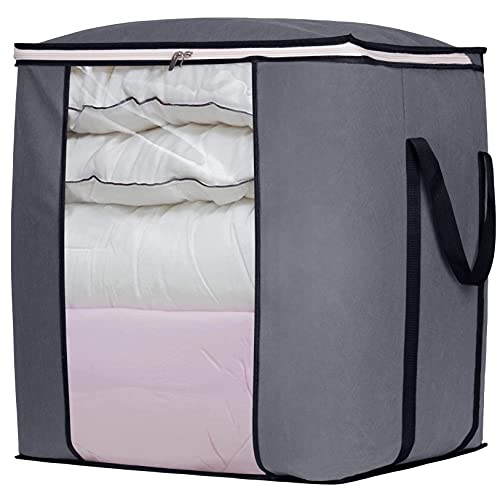
- Duvet laundry bag oversized
- Gentle, mild detergent (no bleach)
- Dryer balls for down comforter
- Low-heat dryer or air-dry option
- Cold or warm water and a rinsing aid if available
<li
Optional: breathable duvet cover for air-drying between washes


Before You Start
Check care labels for any manufacturer guidance. Use cold or warm water and a gentle cycle to protect the feathers. Ensure the duvet fits comfortably in the washer to avoid overstressing fabric. Do not use hot water or high heat, which can damage feather loft. Allow ample drying time to prevent musty odors and feather clumping. If the duvet doesn’t fit a regular machine, consider a laundromat’s oversized washer or a professional cleaner.
Step-By-Step: How To Clean A Feather Duvet
- Remove all bedding and check for stains; pretreat with a mild stain remover if needed.
- Place the duvet into a down comforter washing bag king size or a duvet laundry bag oversized to protect the fabric during agitation.
- Run a cold or warm wash on a gentle cycle with a small amount of mild detergent designed for delicate fabrics.
- Run an extra rinse cycle to ensure all soap is removed from the feathers and fabric.
- Gently remove the duvet from the bag and inspect for uniform feather distribution; if clumping is evident, run a second gentle rinse.
- Transfer to a low-heat dryer with several dryer balls for down comforter to help fluff and distribute feathers evenly.
- Check periodically; break up any residual clumps by hand and rotate fibers to maintain loft.
- Dry until completely dry to the core; if available, a low-heat air-dry option can supplement the dryer’s process.
- Reinsert the duvet into its cover or a clean duvet cover and fluff by hand to restore loft.
- Store in a breathable space away from moisture, ensuring the duvet is fully dry before storing.
- If the duvet remains damp or develops a musty odor, repeat the washing and drying cycle.
Troubleshooting
| Symptom | Likely Cause | Fix | Prevention |
|---|---|---|---|
| Feathers bunch in clumps | Insufficient washing or agitation | Run an extra rinse; use a duvet bag | Don’t overload the washer |
| Remnant detergent smell | Soap residue | Extra rinse cycle; consider using less detergent | Use a mild detergent formulated for delicates |
| Excess moisture after drying | Insufficient drying time | Increase dryer time or add more dryer balls | Ensure proper airflow and keep the load balanced |
| Odor after washing | Moist environment during storage | Fully dry; air-dry if possible | Store in a dry closet with ventilation |
Common Mistakes
- Using high heat on the dryer, which damages feathers
- Overloading the washing machine, leading to uneven cleaning
- Skipping extra rinses, leaving soap residue that irritates skin
- Not drying thoroughly, risking odor and feather matting
Tips For Best Results
- Always use a washing bag to minimize agitation damage to the duvet fabric and cover.
- Add a pair of clean, dry towels to the dryer to help with fluff and even drying.
- Consider washing frequency based on use; avoid frequent heavy cleaning that can wear materials.
- Store feather duvets in a breathable bag rather than airtight containers to prevent moisture buildup.
- If you have allergies, consider a duvet cover made of tightly woven fabric to reduce allergen exposure between washes.
Call A Professional
Contact a professional cleaning service if the duvet is heavily stained, very delicate, or if the fill is shifting persistently after multiple wash attempts. Seek help if the duvet is vintage or has unusual filling materials not listed on the care label. Urgent professional care is recommended for water-damaged or mold-prone situations.
FAQ
Can I wash a feather duvet at home?
Yes, with a large-capacity washer, cold water, and a gentle cycle, followed by careful drying.
What should I use to dry a feather duvet?
Low-heat in the dryer with dryer balls or clean towels to help distribute loft evenly.
How often should I clean a feather duvet?
Frequency depends on use and allergies; many people wash every 6–12 months with regular airing between washes.
Is it safe to use a laundry bag for washing?
Yes, a duvet washing bag or oversized laundry bag protects fabric and helps distribute weight.
What if my duvet doesn’t fit my machine?
Take it to a laundromat with oversized machines or hire a professional cleaner.
Can I air-dry instead of using a dryer?
Air-drying is possible, especially in warm, dry conditions; it takes longer but preserves loft.
Should I use a stain remover?
Only for targeted stains; test on a small fabric area first to avoid fabric damage.
Buying Guide
Choosing the right feather duvet cleaning setup involves several factors. Size matters: ensure your washing bag and dryer accommodate the duvet’s dimensions—king-size needs sturdier equipment or professional services. Noise level and energy efficiency of machines influence household comfort and utility bills. Look for a mild detergent that is explicitly safe for down and plumes, and prefer low-heat drying options to protect loft. Consider placement: a laundry area with good ventilation helps prevent musty odors after cleaning. When selecting tools, prioritize compatibility with your duvet’s size and fill type, and ensure the bag and dryer accessories are rated for down insulation.
Leave a Reply