How to Clean Fabric Storage Bins Safely and Effectively
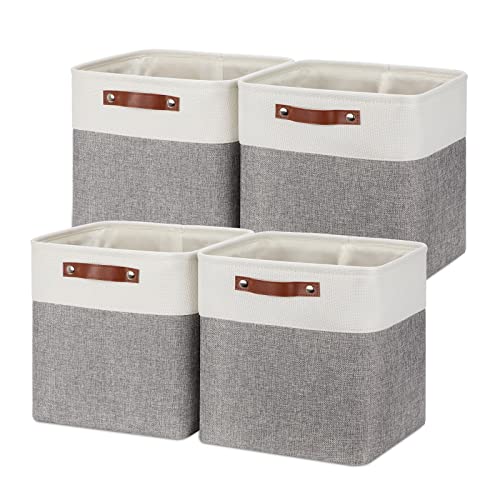
Fabric storage bins add a soft touch to organization, but they can accumulate dust, stains, and odors over time. With the right tools and a simple routine, you can refresh bins without damaging fabrics or finishes. This guide provides practical steps, safety notes, and troubleshooting tips to help you maintain clean and attractive fabrics in any room.
Whether you store toys, seasonal clothing, or craft supplies, routine cleaning extends the life of fabric storage bins and keeps contents protected. The methods below balance effectiveness with care, using gentle cleaners and soft tools to avoid pilling, fading, or fiber wear.
Quick Answer
Light dusting with a microfiber cloth, a gentle fabric-safe cleaner spray, and a soft bristle upholstery brush cleans most fabrics. For tougher stains, apply cleaner with a cloth, blot—do not rub—and let air dry completely before reuse.
What You’ll Need
- Fabric storage bin cleaner spray gentle fabric-safe cleaner 16 oz
- Soft bristle upholstery brush for cleaning fabric storage bins
- Microfiber cloth set for cleaning fabric storage bins 12×12
- Water in a spray bottle (for dampening cloths)
- Optional: mild detergent for spot pre-treatments

Before You Start
Clear the bin contents and empty any lining or removable dividers. Vacuum or shake out loose dust from the exterior and interior. Test cleaner in a hidden area or on a small fabric patch to ensure there’s no discoloration. Work in a well-ventilated room and avoid saturating fabric, which can lead to warping or mold. Do not use harsh solvents or bleach on most fabrics, as these can damage color and fibers. Plan to allow ample drying time, especially for bins stored in humid areas.
Step-By-Step: How To Clean Fabric Storage Bins
- Remove all items from the bin and dust the exterior with a dry microfiber cloth.
- Lightly mist the interior with fabric storage bin cleaner spray, focusing on stained areas.
- Gently scrub with the soft bristle upholstery brush in a circular motion to lift dirt without abrading fibers.
- Wipe away loosened dirt with a clean microfiber cloth, using a damp circle across the fabric to remove residue.
- For stubborn spots, apply a small amount of cleaner to the cloth and dab—not rub—to avoid fiber damage.
- Rinse cloths or use a fresh microfiber cloth to remove any remaining cleaner from the fabric interior.
- Turn the bin inside out (if possible) to ventilate and allow both sides to air dry thoroughly in a sunny or well-ventilated area.
- Reinsert any liners or dividers after the fabric is completely dry to prevent moisture buildup.
- Optionally apply a light, even mist of cleaner to the exterior for spot protection, then wipe clean and dry.
- Store the bin in a dry location; avoid placing it directly on damp floors to prevent mildew.
- Establish a routine cleaning cadence—monthly light cleaning or quarterly deep cleaning depending on use and location.
- Document any recurring stains to adjust cleaning approaches or consider stain-specific products if needed.
Troubleshooting
| Symptom | Likely Cause | Fix | Prevention |
|---|---|---|---|
| Streaks after cleaning | Excess cleaner residue | Wipe with a clean, damp microfiber cloth and dry | Use minimal cleaner and work in small sections |
| Fabric discolors after sun exposure | Bleaching from direct sunlight | Move to shade during drying | Dry in indirect light |
| Persistent odors | Moisture trapped inside | Thoroughly dry interior; consider airing out longer | Ensure complete drying before reusing |
| Fibers pilling after brushing | Over-brushing or aggressive motion | Use lighter strokes and softer pressure | Keep brush clean and dry |
Common Mistakes
- Over-wetting the fabric, which can warp the bin or promote mold
- Using abrasive brushes or harsh cleaners on delicate fabrics
- Rubbing stains aggressively, which can push them deeper into fibers
- Skipping a full dry time, leading to odor or mildew
Tips For Best Results
- Always start with the least invasive method—dry dusting—before applying cleaners.
- Use a microfiber cloth set for cleaning fabric storage bins 12×12 for consistently soft, lint-free wiping.
- Test cleaner in an inconspicuous area first to check colorfastness.
- Store bins in a cool, dry place to minimize future staining and odors.
Call A Professional
Seek professional help if a bin has undergone severe staining, persistent odors after thorough cleaning, or if the fabric is delicate or antique. Signs to consult a pro include color fading, unraveling seams, or mold growth that cannot be remedied with standard cleaning.
FAQ
Can I clean fabric storage bins with soap and water?
Yes, mild soap and water can work for light cleaning. Avoid soaking and dry thoroughly afterward.
Is it safe to use all-purpose cleaners on fabric storage bins?
Most are not ideal; use a fabric-safe cleaner designed for textiles to prevent damage.
How long should bins dry after cleaning?
Dry times vary by material and ventilation, but expect several hours to a full day in humid environments.
Can I use a hair dryer to speed up drying?
Prefer air drying; if you must use heat, use the lowest setting and keep it moving to prevent scorching.
Buying Guide
When choosing cleaning supplies for fabric storage bins, consider size, compatibility with fabrics, and ease of use. The right kit helps maintain cleanliness without harming fibers or finishes. Key buying factors include:
- <bSize and compatibility: Ensure the cleaner and brushes are suitable for the bin’s fabric type and dimensions.
- <bNoise level: Quiet brushes and spray bottles reduce disruption in living spaces, especially bedrooms and nurseries.
- <bEnergy efficiency: Manual cleaning tools do not consume energy; opt for reusable cloths and brushes to reduce waste.
- <bControls and ease of use: Spray bottles with fine mist sprayers and soft-bristle brushes for controlled cleaning.
- <bPlacement considerations: Clean in a well-ventilated area; dried bins should be stored away from damp corners to prevent mildew.
For most households, a basic kit that includes a fabric-safe cleaner spray, a soft bristle brush, and a microfiber cloth set offers a balanced approach to keeping fabric storage bins looking fresh. If priorities shift toward heavy staining or delicate fabrics, add stain-removing options designed for textiles and consider spot-testing routines before full cleaning.
Leave a Reply