How to Clean a Fabric Shower Curtain Liner
Fabric shower curtain liners add a soft aesthetic to bathrooms, but they require regular cleaning to prevent mildew and staining. This guide provides clear steps, practical tools, and safety tips to restore a fabric liner to a fresh, clean condition.
The process combines gentle washing, targeted stain removal, and careful drying to protect fabric and maintain liner longevity. Following these steps helps reduce odors, resist mold buildup, and extend the liner’s life without harsh scrubbing.
Quick Answer
Use a soft fabric brush or the dedicated fabric shower curtain liner cleaning brush to loosen debris, then wash the liner in warm water with a gentle detergent. For stubborn mildew, apply a mildew stain remover spray for fabric shower curtain liner, let sit, and rinse. Dry completely before rehanging. Delicate laundry bag for fabric shower curtain liner washing helps protect the liner in a machine wash.
What You’ll Need
- Fabric shower curtain liner cleaning brush
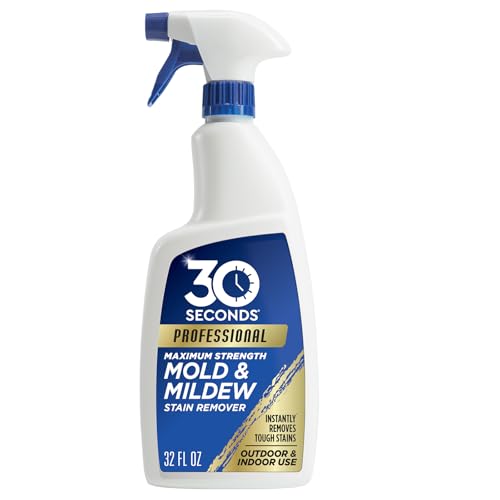
- Mildew stain remover spray for fabric shower curtain liner
- Delicate laundry bag for fabric shower curtain liner washing
- Gentle liquid detergent
- Warm water
- Hanging rack or shower liner hook for air drying

Before You Start
Inspect the liner for wear, tears, or thinning fabric. If the liner is heavily mildewed or moldy, replace it—repairs may not be effective. Protect your eyes and skin when using cleaning products and work in a well-ventilated area. Plan for a 20–60 minute cleaning window depending on the liner’s condition. Remove items from the shower to avoid contamination of other surfaces.
Step-By-Step: How To Clean A Fabric Shower Curtain Liner
- Remove the liner from the hooks and shake it gently to dislodge excess water and debris.
- Brush away loose grime with the fabric shower curtain liner cleaning brush to reduce dirt transfer to the wash.
- If using a washing machine, place the liner in a delicate laundry bag for fabric shower curtain liner washing to protect it during agitation.
- Fill the washer with warm water and add a small amount of gentle detergent; select a delicate cycle.
- For stubborn mildew, spray the liner with mildew stain remover spray for fabric shower curtain liner, then rinse with an additional wash cycle.
- After washing, remove the liner promptly and gently squeeze out excess water; avoid wringing to prevent fabric distortion.
- Hang the liner on the shower rod or a drying rack to air-dry completely, ensuring thorough drying to prevent mildew regrowth.
- Check for remaining stains; if needed, repeat the stain treatment and washing steps before re-hanging.
- Reattach the liner only after it is fully dry to prevent mold from returning.
- Regular maintenance—wipe the liner with a mild cleaner between washes to minimize buildup.
- Consider replacing the liner every 6–12 months if signs of wear persist or stain removal is ineffective.
Troubleshooting
| Symptom | Likely Cause | Fix | Prevention |
|---|---|---|---|
| Persistent mildew after washing | Stains deeply embedded in fabric | Apply mildew stain remover and rewash; repeat if necessary | Wash every 1–2 weeks and dry completely |
| Fabric fades after washing | Harsh detergent or high agitation | Switch to a gentle detergent and delicate cycle | Use cold or warm water, avoid bleach |
| Rings or halos around the liner | Residual soap buildup | Run an extra rinse cycle | Use the right amount of detergent |
| Fast mold return | Staying damp in corners | Ensure complete drying before rehanging | Air dry in a sunny spot if possible |
Common Mistakes
- Using hot water or strong bleach on fabric liners, which can weaken fibers.
- Not using a delicate wash cycle, leading to fabric stretching or tearing.
- Leaving the liner damp for long periods, inviting mold growth.
- Skipping the protective bag during machine washing, increasing abrasion.
Sticking with gentle methods and following drying steps helps preserve liner color and integrity over time.
Tips For Best Results
- Spot-treat stains as soon as they appear to prevent set-in mildew.
- Combine brushing, targeted stain removal, and a gentle wash for best outcomes.
- Place the liner where it can dry undisturbed, away from steam-heavy corners.
- Label or note the wash cycle settings to reuse the same method consistently.
Call A Professional
Consider a professional cleaner if the liner remains water-stained or develops persistent odors despite repeated cleaning. Seek help if the fabric shows thinning, tearing, or color fading that affects bathroom aesthetics or hygiene.
FAQ
Can I machine wash a fabric shower curtain liner?
Yes, on a delicate cycle using a gentle detergent and a delicate laundry bag to protect the liner.
How often should I clean a fabric shower curtain liner?
Clean every 1–2 weeks with a deep clean every 1–2 months, depending on usage and humidity.
What if the mildew won’t come out?
Apply a mildew stain remover spray and rewash; if staining persists, replace the liner.
Can I air-dry the liner outside the shower?
Yes, air-drying on a rack or clothesline in a shaded area helps prevent sun fading and wrinkles.
Buying Guide
When choosing a replacement fabric shower curtain liner, consider size compatibility with the door opening, fabric weight, and the ease of cleaning. Look for liners labeled machine washable and colorfast to minimize fading. Noise considerations are minimal with fabric; however, consider hardware compatibility with existing hooks and rails. Energy efficiency is not typically a factor for cleaning, but quick-dry fabrics reduce drying time and energy use in heated spaces. Choose simple controls and consider placing liners in a shower caddy or organizer for easy access. For placement, ensure the liner sits inside the tub area to prevent water from pooling outside the shower.
Leave a Reply