How to Clean a Fabric Headboard Without Damage
The fabric headboard adds texture and warmth to a bedroom, but it also shows stains, dust, and everyday wear. This guide provides a practical, step-by-step approach to cleaning a fabric headboard safely using common tools and accessible cleaners.
Quick Answer
For light cleaning: vacuum the headboard, then spot-clean stains with a mild fabric cleaner. For deeper cleaning, use a fabric upholstery steam cleaner or an upholstery cleaner spray designed for fabric headboards, followed by thorough drying. Always test a small hidden area first.
What You’ll Need
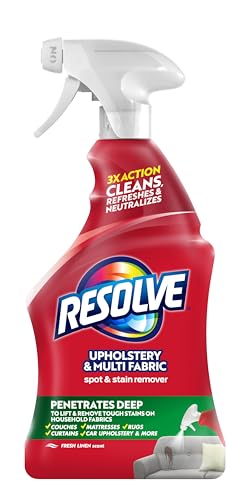
- Upholstery cleaner spray for fabric headboards
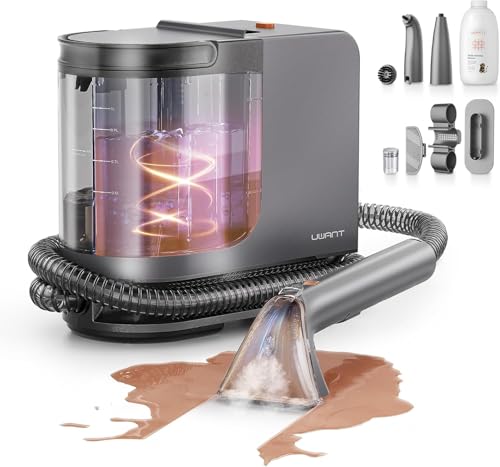
- Fabric upholstery steam cleaner for headboards
- Microfiber cleaning cloths for upholstered headboards
- Vacuum cleaner with upholstery nozzle
- Soft-bristle brush (optional)
- Distilled water or cleaning solution recommended by product labels
- Old towels or drying cloths

Before You Start
Prepare the area to protect walls and nearby furniture. Vacuum the headboard thoroughly to remove surface dust and cobwebs. Avoid soaking the fabric; excess moisture can lead to mildew or color bleed. If your headboard is in a humid room or has a wooden frame, ensure proper drying conditions after cleaning.
Time estimate: 20–60 minutes for a thorough cleaning, plus drying time. If you are cleaning a large or heavily soiled headboard, plan for additional sessions. Remember to follow label instructions on any product you use and test a hidden area first to confirm colorfastness.
Step-By-Step: How To Clean A Fabric Headboard
- Detach or move any items around the bed to create space for cleaning and drying.
- Vacuum the headboard using the upholstery nozzle to remove dust, hair, and debris from the fabric surface and seams.
- Spot-treat stains with a fabric upholstery cleaner spray for fabric headboards, applying a small amount to a microfiber cloth and dabbing gently. Do not rub hard, which can embed stains.
- For deeper cleaning, use a fabric upholstery steam cleaner for headboards according to the device instructions. Pass the cleaner slowly over the fabric to lift dirt while avoiding oversaturation.
- Gently brush the nap with a soft-bristle brush if the fabric has a textured or nap finish and appears matted after cleaning.
- Wipe away any residue with a clean microfiber cloth. If needed, repeat the cleaning step on particularly stubborn stains, testing again on a hidden area.
- Blot with a dry towel to remove excess moisture and promote faster drying. Do not leave the headboard damp for extended periods.
- Allow the headboard to dry completely before reassembling or placing items against it. Improve airflow with a fan or dehumidifier if the room is humid.
- Inspect the fabric once dry. If any lingering stains or odors remain, repeat the appropriate cleaning method in a controlled fashion.
- Reattach items and return the bed to its normal position once the fabric is fully dry and comfortable to touch.
Troubleshooting
| Symptom | Likely Cause | Fix | Prevention |
|---|---|---|---|
| Stains reappear after cleaning | Improper rinsing or deep-set stain | Repeat cleaning with a targeted stain remover and rinse cloth | Address stains promptly; avoid delaying treatment |
| Fabric color fading | Harsh cleaner or excessive sun exposure | Switch to milder cleaners and limit sun exposure during drying | Test cleaners first; use protective window coverings |
| Leather or vinyl backing shows through | Rubbing through the fabric | Cease aggressive cleaning and consult manufacturer care guide | Use appropriate products labeled for fabric headboards |
| Headboard stays damp | Over-wetting or poor ventilation | Increase airflow and absorbent towels; restart cleaning if needed | Moderate moisture; allow complete drying |
Common Mistakes
- Using hot water or steam on delicate fabrics, which can shrink or set stains
- Soaking the fabric or using too much cleaner in one spot
- Rubbing vigorously, which can fray fibers and push stains deeper
- Ignoring drying time, leading to mold or musty odors
Tips For Best Results
- Test any cleaner on a hidden area before full application to check colorfastness
- Work from the top down to prevent dirty water from running onto cleaned areas
- Use microfiber cloths for gentle lifting and minimal lint
- Ventilate the room well and use a fan to accelerate drying
- Rotate cushions and adjust ambient temperature to maintain fabric integrity
Call A Professional
Consider contacting a professional upholstery cleaning service if the headboard has large, persistent stains, persistent odors, or delicate fabrics like silk blends. Stop signs include water damage, dye bleeding, or fabric thinning. If you notice mold growth or structural damage behind the fabric, seek expert help promptly.
FAQ
What is the best cleaner for fabric headboards?
There is no single best cleaner; use an upholstery cleaner spray for fabric headboards or a fabric upholstery steam cleaner according to the fabric type and label directions.
Can I use a steam cleaner on all fabrics?
No. Test on a hidden area first and check manufacturer care instructions for specific fabrics.
How long does it take for a headboard to dry?
Drying times vary by fabric and room conditions, typically 1–6 hours; ensure full dryness before using the bed.
Is it safe to clean a fabric headboard with water?
Water-safe methods depend on the fabric; use distilled water or the recommended cleaning solution, and avoid saturating the fabric.
Should I remove the headboard cover for cleaning?
If the cover is removable, launder or spot-clean per label instructions; otherwise, clean the fabric in place carefully.
Buying Guide
When choosing cleaning tools and products for a fabric headboard, consider several factors to optimize results and safety.
- Size and type of headboard: Larger or tufted headboards may require more cleaning effort and a flexible steam cleaner attachment.
- Noise level: Steam cleaners and portable cleaners vary in sound; look for quieter models especially for bedrooms.
- Energy efficiency: If you use electrical cleaners, consider energy-efficient options and features like automatic shutoff.
- Controls: Choose simple, intuitive controls for easy operation in dimly lit rooms.
- Placement: Plan a cleaning area that allows easy access to the headboard and proper drying space; avoid moisture-sensitive surroundings.
- Materials compatibility: Verify that the cleaners and tools are designed for fabric headboards and your specific fabric type.
- Maintenance and accessories: Look for kits that include microfiber cloths and appropriate brushes, plus replacement parts when needed.
For best results, combine the use of an upholstery cleaner spray for fabric headboards with a microfiber cleaning cloths for upholstered headboards to target stains and maintain fabric texture. If choosing a steam option, ensure the headboard fabric is heat-compatible and not prone to water damage.
Leave a Reply