How to Clean Fabric Blinds
Fabric blinds add warmth and texture to rooms, but they collect dust, oils, and pet dander over time. This guide provides practical, safe steps to refresh fabric blinds without removing them, using common tools and purpose-built kits. The aim is to restore brightness while preserving fabric integrity and color.
Clear the area, gather supplies, and plan a quick maintenance routine that fits busy schedules. Regular light cleaning prevents deep buildup and extends the life of fabric blinds. The methods below avoid harsh chemicals and heavy scrubbing, delivering a clean look with minimal effort.
Quick Answer
Best initial approach: vacuum with a soft brush attachment, followed by a microfiber dusting wand for delicate fibers. For stubborn grime, use a fabric blind cleaning brush kit and spot-clean with a mild solution. Finish with a quick pass of the upholstery attachment to lift residue from folds.
What You’ll Need
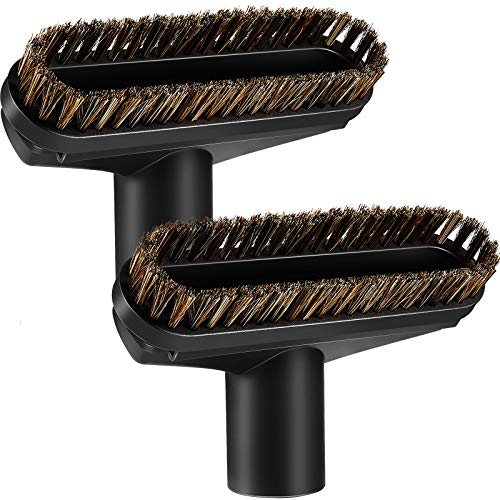
- Vacuum cleaner attachment upholstery brush for fabric blinds
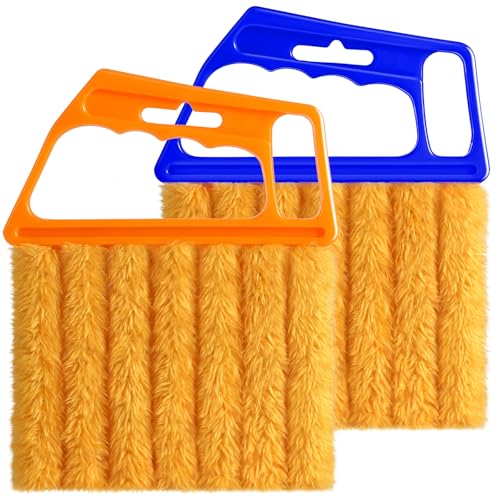
- Fabric blind cleaning brush kit
- Microfiber duster wand for fabric blinds

Before You Start
Prepare a well-lit area and protect floors with a drop cloth or old towels. Close the blinds to access slats evenly. Test a small, inconspicuous area first to ensure no color transfer. If you have allergies or sensitive skin, wear a mask and gloves. Plan for a 15–30 minute session for standard blinds, more for heavily soiled or large installations. Never saturate fabric blinds with water. Excess moisture can warp slats and promote mildew.
Step-By-Step: How To Clean Fabric Blinds
- Remove loose dust by running the vacuum cleaner attachment upholstery brush for fabric blinds along the top edge and between each slat.
- Open the blinds fully and lightly brush each side with the microfiber duster wand for fabric blinds to lift surface dust.
- For heavier buildup, use the fabric blind cleaning brush kit to gently scrub slats in small circular motions, working from top to bottom.
- Dust the cords and wand pockets separately to prevent transferring grime back onto the fabric.
- Rotate blinds to access both sides; repeat brushing and vacuuming as needed until dry and dust-free.
- For stains or oils, spot-clean with a mild solution on a soft cloth, testing first on a hidden area. Blot—do not rub—to avoid fiber damage.
- Allow blinds to air-dry completely before re-closing. If needed, use a fan or a cool setting on a hair dryer to speed evaporation.
- Return blinds to their normal position and perform a quick maintenance pass every few weeks to prevent buildup.
Troubleshooting
| Symptom | Likely Cause | Fix | Prevention |
|---|---|---|---|
| Persistent dust after cleaning | Deep-seated dust in fabric | Repeat brushing with microfiber wand and run a gentle vacuum over folds | Regular light cleaning every 1–2 weeks |
| Streaks or water marks | Moisture during cleaning | Use only dry or barely damp cloths; air dry completely | Avoid soaking fabrics |
| Color fading after cleaning | Harsh cleaners or sun exposure | Switch to mild, pH-balanced cleaners; clean in shaded areas | Limit sun exposure when cleaning |
| Slats feel stiff | Over-wetting or residue buildup | Revisit dry brushing and ensure complete drying | Dry thoroughly after any cleaning |
Common Mistakes
- Using aggressive brush pressure that frays fabric
- Spraying cleaners directly onto blinds
- Skipping drying, leading to mildew or odor
- Neglecting top-down cleaning, causing inner fold buildup
Tips For Best Results
- Schedule a monthly light clean to reduce heavy buildup later.
- Dust in the direction of the slats to avoid grinding fibers against edges.
- Use a combination of vacuum and microfiber wand for thorough coverage.
- Store cleaning tools within reach to encourage regular use.
Call A Professional
Dial in professional help if blinds are heavily stained, damaged, or have mold growth. Seek a pro if fabric has visible mildew, persistent odors, or if blinds are delicate or costly to replace. If you notice swelling, discoloration, or material tearing after cleaning, stop and contact a specialist.
FAQ
Can I use water to clean fabric blinds?
Lightly dampen a cloth or use a dedicated spray bottle, but never soak the fabric. Excess moisture can cause warping and mold.
How often should fabric blinds be cleaned?
A light cleaning every 2–4 weeks helps prevent buildup; a deeper clean every 3–6 months may be needed for high-traffic rooms.
Are fabric blind cleaning kits worth it?
Yes, they provide gentle tools and guidance tailored for fabric blinds, reducing the risk of damage from improper scrubbing.
What should I do about stubborn stains?
Spot-clean with a mild solution and a soft cloth. If stains persist, consider professional cleaning to avoid fiber damage.
Do I need to remove blinds for cleaning?
Many blinds can be cleaned while mounted, which saves time. Heavily soiled blinds may require partial removal for thorough care.
Is the microfiber duster wand safe on all fabrics?
Most fabrics tolerate microfiber wands well, but test on a hidden area first and avoid aggressive scrubbing on delicate textures.
How can I prevent future buildup?
Regular brushing, establish a maintenance routine, and keep indoor air clean to minimize dust deposition on fabric blinds.
Buying Guide
Choosing fabric blinds and maintaining them involves several factors. Consider size and fit, as incorrect coverage can affect cleaning effectiveness. Noise level is usually not a concern for blinds, but choosing cordless or easy-glide options can simplify maintenance. Energy efficiency matters when blinds operate as insulating barriers; thicker fabrics provide better insulation. Controls should be intuitive and accessible, especially for multi-window setups. For placement, consider rooms with high dust or grease exposure (kitchens, living rooms) and select fabrics that are easy to clean. Compare tools and kits based on compatibility with your blinds, ease of use, and the presence of dedicated brushes for fabric surfaces.
Leave a Reply