How to Clean Exterior Wood Door
The exterior wood door is a focal point of curb appeal and protection for a home. Regular, careful cleaning helps preserve color, stain longevity, and overall integrity. This guide provides practical steps using common exterior wood care products and safe methods suitable for most American homes.
Quick Answer
Start with a gentle cleaner, scrub with a soft brush, then rinse and dry. If the door is weathered, follow with a stain remover and conditioner, then apply an exterior weatherproof conditioner. Regular maintenance every 6–12 months prevents buildup and keeps the finish looking fresh.
What You’ll Need
- Exterior wood door cleaner spray non-toxic or a gentle soap solution
- Soft-bristle brush and microfiber cloths
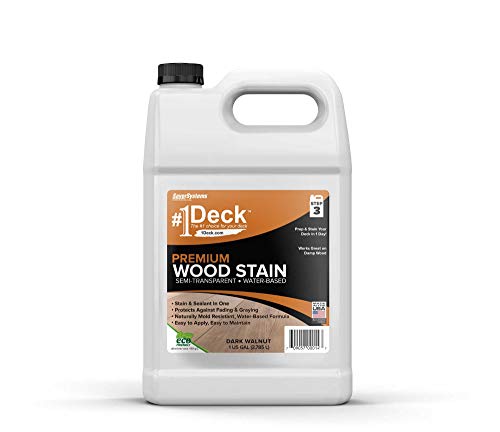
- Wood door cleaning kit exterior weatherproof conditioner
- Stain remover and conditioner for exterior wood door
<li Protective gloves and eye protection
<li Water source and bucket

Before You Start
Inspect for loose trim, cracks, or peeling finish. Protect surrounding plants and hardware with painter’s tape or plastic. Work in the shade to avoid quick drying that can leave residue. Time estimate: 1–2 hours for a typical front door. Important: test any product on a small inconspicuous area first to avoid staining or damage. Wear gloves and eye protection when applying cleaners or chemicals.
Step-By-Step: How To Clean Exterior Wood Door
- Remove hardware if possible to simplify cleaning and protect metal from cleaners.
- Mix a mild cleaning solution or use the exterior wood door cleaner spray non-toxic as directed.
- Spray onto a damp microfiber cloth or directly onto the door, avoiding oversaturation.
- Gently scrub in the direction of the grain with a soft-bristle brush to lift dirt and mildew.
- Rinse with clean water, using a soft sponge to remove all cleaning residues.
- Dry the door completely with a clean, dry cloth to prevent water spots and soaking.
- If you notice staining or weathered areas, apply a stain remover and conditioner for exterior wood door following product instructions.
- After stain removal, apply a thin coat of the wood door cleaning kit exterior weatherproof conditioner or other recommended finish to restore protection.
- Allow the door to dry fully, then reattach hardware and check for smooth operation.
- Consider repeating the conditioning every 1–2 years or as wear becomes evident.
- Schedule routine cleanings to prevent buildup and maintain color and seal integrity.
- Store any leftover product in a cool, shaded area away from children and pets.
Troubleshooting
| Symptom | Likely Cause | Fix | Prevention |
|---|---|---|---|
| Finish dull or cloudy after cleaning | Residues left from cleaner | Rinse thoroughly and buff with a microfiber cloth | Rinse promptly; use minimal cleaner |
| Peeling finish after conditioner | Incompatible products or improper prep | Follow product directions precisely and test on small area | Choose matching products for exterior wood |
| Stains not lifting | Deep-set stains or weathering | Use stain remover as directed, then conditioner | Regular maintenance to prevent deep staining |
| Water spots or streaks | Uneven drying | Dry door thoroughly with a clean cloth | Clean on cooler, overcast days |
Common Mistakes
- Using harsh household cleaners that corrode wood or finish
- Over-wetting the door or letting water pool on the surface
- Skipping a test patch before full application
- Neglecting to dry the door after cleaning
Tips For Best Results
- Work in the shade to avoid rapid drying and streaks.
- Use a soft brush to minimize surface scratches on the wood grain.
- Follow grain direction during cleaning and staining for uniform appearance.
- Apply conditioners in thin, even coats to prevent buildup and peeling.
- Keep a small maintenance schedule to catch wear early and extend life.
Call A Professional
Consider a pro if the door has extensive cracking, deep rot, or if you are unsure about compatibility of cleaners and finishes. Stop and consult a professional if:
- There is visible wood rot or structural damage
- The finish is blistering or peeling widely
- You are unsure about compatible finishes for the door’s stain or wood type
FAQ
Is it safe to use a household cleaner on an exterior wood door?
Yes, but choose a mild, non-toxic cleaner and test on a small area first.
How often should I clean and condition my exterior wood door?
Typically every 6–12 months for cleaning and conditioning as needed based on wear and climate.
Can I skip the stain remover and just conditioner?
In some cases, conditioner alone can restore moisture and shine, but stain removal helps revive color on weathered surfaces.
What if the door is painted rather than stained?
Follow paint-safe cleaning steps and use products compatible with painted wood surfaces, avoiding solvent-heavy cleaners that can soften paint.
Buying Guide
Key factors when selecting products for cleaning exterior wood doors include size of the door area, noise level tolerance if using powered tools, energy efficiency considerations for integrated lighting, and control granularity for finishes. For cleaners and conditioners, look for non-toxic formulations and those labeled safe for exterior wood. Consider a combined approach with a wood door cleaning kit exterior weatherproof conditioner and a compatible stain remover and conditioner for exterior wood door to maintain color and weather resistance. Placement matters: protect nearby plants and hardware, and work in shaded areas to achieve even results. Compare products by compatibility with your door’s wood type (oak, fir, cedar, etc.) and the existing finish, and choose options that offer clear instruction, patch testing guidance, and documented safety data. If you need a simple, effective setup, prioritize items that include a non-toxic cleaner and a weatherproof conditioner in one kit, reducing guesswork and ensuring consistent results.
Leave a Reply