How to Clean Emeralds Safely at Home
Emeralds require careful cleaning to maintain their beauty and prevent damage. Proper cleaning removes oils, residues, and dirt that dull their sparkle without compromising the stone’s integrity. This guide explains a practical, at-home method using common materials and the right balance of gentleness and effectiveness.
Following the steps below helps preserve emerald clarity, color, and structure, whether you wear the pieces daily or store them for special occasions. The focus stays on safe techniques, affordable tools, and practical tips you can apply right away.
Quick Answer
Use a mild, emerald-safe cleaning solution and a soft-bristle brush to gently clean the setting and stone. Rinse with lukewarm water, dry with a soft cloth, and avoid ultrasonic cleaners or harsh chemicals that can damage coefficients and inclusions in emeralds.
What You’ll Need
The following tools and supplies support a safe emerald cleaning routine. Use each item as directed to minimize risk to the gem and its setting.
- Emerald jewelry cleaning kit
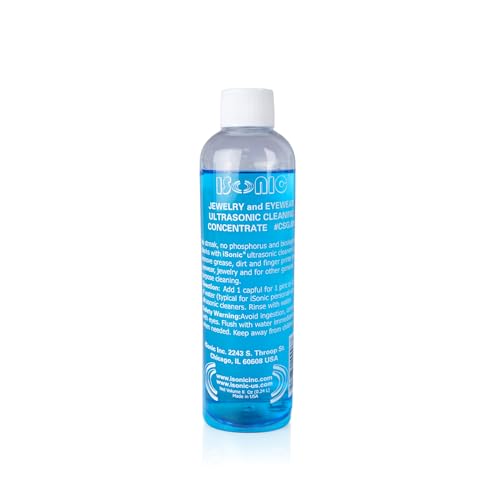
- Gentle gemstone cleaning solution emerald safe
- Soft-bristle jewelry cleaning brush for emeralds


Before You Start
Prepare a clean, well-lit workspace and ensure no loose stones could drop during cleaning. Avoid soaking emeralds in harsh chemicals or using high-pressure jets, which can loosen settings or damage fragile inclusions. If the emerald is in a fragile or antique setting, consider consulting a jeweler first. Time estimate: 10–20 minutes for a standard cleaning session.
Safety notes: remove any perfume or lotion residues before cleaning, and protect vulnerable finishes like antique bezels or gold plating. If you notice chips, cracks, or evident looseness, pause and seek professional help.
Step-By-Step: How To Clean Emeralds Gently
- Prepare a mild cleaning solution using the emerald-safe cleaner and lukewarm water as directed on the bottle.
- Soak the jewelry briefly, typically 2–3 minutes, to loosen surface oils without saturating any porous areas.
- Gently scrub the setting and the stone with a soft-bristle jewelry cleaning brush for emeralds, using light, circular motions.
- Pay special attention to prongs, bezels, and any engravings where grime tends to accumulate.
- Rinse the piece under lukewarm running water to remove all cleaning solution residues.
- Pat dry with a lint-free microfiber cloth and allow any remaining moisture to air dry completely before wearing.
- Inspect the setting for any looseness or damage. If anything looks off, stop and schedule a professional inspection.
- Store the cleaned piece in a soft pouch or separate compartment to prevent scratches from harder gemstones.
- Repeat routine every few months for frequently worn emeralds, or after heavy exposure to oils or cosmetics.
- For pieces with colored metal finishes or plating, verify compatibility with the emerald-safe cleaner to avoid discoloration.
- If the emerald shows dullness after cleaning, consider a professional cleaning for a deeper assessment of inclusions and lattice structure.
- Document any changes observed during cleaning to track improvements or concerns over time.
Troubleshooting
| Symptom | Likely Cause | Fix | Prevention |
|---|---|---|---|
| Stones look dull after cleaning | Oil residues or insufficient rinsing | Rinse longer and re-clean with gentler strokes | Rinse thoroughly; use the emerald-safe solution as directed |
| Setting feels loose | Prongs or bezel damaged or worn | Stop using and contact a jeweler | Schedule regular professional checks |
| Color change or metal tarnish | Incompatible cleaner or prolonged exposure | Switch to the recommended emerald-safe cleaner | Test in a small area first; avoid harsh products |
| Crack or fracture appears | Impact or pressure during cleaning | Cease cleaning and seek professional evaluation | Handle gently; use proper tools |
Common Mistakes
- Using ultrasonic cleaners or strong solvents on emeralds, which can loosen inclusions or damage the stone’s surface
- Soaking for too long, especially in antique or fragile settings
- Scrubbing too aggressively or using hard-bristle brushes that can scratch
- Neglecting to dry completely, which can promote tarnish or moisture damage
Tips For Best Results
- Choose a cleaning method that matches the jewelry’s setting and age; consult a jeweler if unsure
- Use lukewarm water rather than hot or cold to prevent thermal stress
- Work over a soft mat to prevent loss of small components if a stone loosens
- Regular maintenance, not just deep cleaning, helps emeralds retain their brilliance
- Store emerald pieces separated from other stones to avoid scratches
Call A Professional
Seek professional help if you notice any of the following: a loose setting, visible cracks, unusual coloration, or persistent dullness after cleaning. Do not attempt to re-tighten prongs or adjust metalwork yourself. For antique or high-value emerald jewelry, periodic professional assessments are advised to preserve value and structural integrity.
FAQ
Can I clean emeralds with dish soap?
A small amount of mild dish soap can be used if it is labeled emerald-safe and diluted in lukewarm water, but prefer dedicated gentle gemstone cleaners when available.
Are ultrasonic cleaners safe for emeralds?
No, ultrasonic cleaners can damage emeralds or their settings by stressing inclusions or loosening prongs.
How often should emerald jewelry be cleaned?
Generally every few months for daily wear; more frequently if exposed to oils or cosmetics.
What if my emerald has oil-filled fractures?
Oil-filled fractures require careful cleaning and should be handled by a professional to avoid expelling oil or worsening the fracture.
Buying Guide
When selecting cleaning supplies for emeralds, consider size, compatibility, and safety. A dedicated emerald jewelry cleaning kit is usually designed to address the unique needs of emeralds, including safe solvents and soft brushes. Look for products labeled emerald-safe or suitable for colored gemstones to minimize chemical interactions with oil-filled inclusions. Noise-free, compact kit components are convenient for home use, while professional-grade solutions provide deeper cleaning for infrequently worn pieces.
Key buying factors include:
- <bSize and form: Choose a kit with appropriately sized brushes for rings, pendants, and delicate settings.
- <bNoise level: When using cleaning devices, prefer hand-cleaning methods to reduce noise and vibration.
- <bEnergy efficiency: Rely on manual cleaning steps where possible; if using machines, select energy-efficient options.
- <bControls: Simple, clearly labeled instructions help ensure correct usage and safety.
- <bPlacement: Store cleaned emerald pieces in soft pouches or compartments to prevent scratches.
What to compare: effectiveness on oils, compatibility with inclusions, ease of use, and compatibility with different metal settings. For best results, follow the included instructions and tailor the routine to the piece’s age, setting, and wearer habits. If in doubt, consult a professional for a personalized care plan.
Leave a Reply