How to Clean an Electric Hob Safely and Effectively
Electric hobs, especially ceramic glass cooktops, require careful cleaning to maintain their smooth surface and performance. A well-planned cleaning routine removes residue, prevents scratches, and keeps the hob looking near new. This guide provides practical steps, tools, and tips tailored to American kitchens.
Quick Answer
Use a ceramic glass cooktop cleaner kit with microfiber cloths for daily wipe-downs and tougher grime. A non-scratch plastic scraper helps lift burnt-on food without scratching the surface. Finish with a microfiber cloth to buff to a shine.
What You’ll Need
The following tools and products are recommended to clean an electric hob effectively. Gather these before you start to streamline the process.
- Ceramic glass cooktop cleaner kit with microfiber cloths
- Non-scratch plastic scraper for ceramic hob cooktop
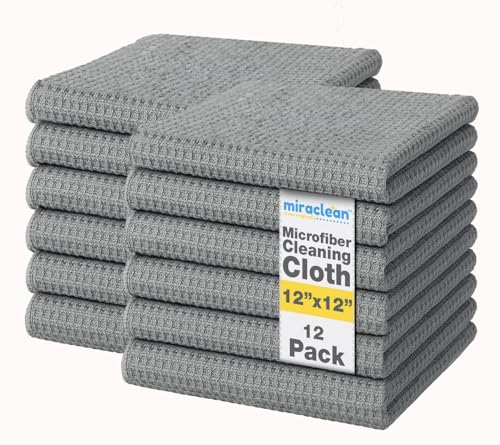
- Microfiber cleaning cloth set for ceramic cooktop 12×12 inches


Before You Start
Before cleaning, ensure the hob is completely cool to the touch. Remove any pots or cookware, and unplug the unit if it’s detachable. Work in a well-ventilated area and avoid cleaning products that contain abrasive additives or ammonia, which can damage the surface. Time estimates vary by how dirty the surface is, typically 5–15 minutes for routine wipes and up to 30 minutes for baked-on residue. Critical cautions: never use metal scouring pads, never immerse the hob in water, and never apply cleaner while the surface is hot.
Step-By-Step: How To Clean An Electric Hob
- Remove loose debris by wiping the surface with a dry microfiber cloth to prevent scratching during cleaning.
- Apply a small amount of ceramic glass cleaner to the center of the cooktop or directly to a microfiber cloth.
- Spread the cleaner evenly with gentle, circular motions to dissolve grease and mineral deposits.
- For stubborn spots, use a non-scratch plastic scraper held at a shallow angle to lift burnt-on residue without scratching.
- Wipe away loosened grime with a clean microfiber cloth. Turn the cloth frequently to avoid re-depositing dirt.
- For light haze, buff with a dry microfiber cloth until the surface appears glossy and uniform.
- Inspect for any remaining residue and repeat steps if necessary, focusing on rings around control areas and edge seams.
- Finish by giving the surface a final wipe with a fresh microfiber cloth to remove streaks and leave a smooth shine.
- If using cleaner for the first time, test a small inconspicuous area to ensure there is no discoloration.
- Regular maintenance: wipe after each use once the hob cools to keep buildup from developing.
- Store cleaning supplies in a cool, dry place away from direct sunlight and heat sources.
- Reassemble or reattach any components once the surface is completely dry.
Troubleshooting
| Symptom | Likely Cause | Fix | Prevention |
|---|---|---|---|
| White film or streaks | Residue from cleaner or mineral deposits | Wipe with a fresh microfiber cloth using clean water, then dry | Use a small amount of cleaner and dry thoroughly |
| Scratches or dull patches | Using abrasive pads or metal utensils | Switch to non-scratch scraper and soft cloth | Avoid metal tools on the glass |
| Burnt-on residue persists | Hard-water minerals or sugar spills | Apply cleaner, let sit briefly, then gently scrub with scraper | Clean spills promptly after cool-down |
| Streaks after wiping | Moisture trapped under cloth | Dry the surface with a lint-free cloth | Wipe in a cool, ventilated area |
Common Mistakes
- Using abrasive pads or harsh cleaners on ceramic glass.
- Cleaning while the hob is still warm, which can bake cleaner onto the surface.
- Not drying the surface completely, leading to streaks and residue.
- Applying cleaner directly to control knobs or electronics.
Sticking to gentle cleaners, soft cloths, and proper drying helps maintain a pristine finish over time.
Tips For Best Results
- Schedule a quick wipe-down after each cooking session to prevent buildup.
- Use a dedicated microfiber cloth set sized for the hob to maximize cleaning efficiency.
- For glass shine, buff in a consistent circular motion and avoid circular streaks by folding cloths as they pick up residue.
- Label cleaning products and store them away from heat sources to prevent chemical degradation.
- Test new cleaners on a small area before full application to avoid damage.
Call A Professional
If the ceramic surface has deep cracks, thermal damage, or persistent deep staining that does not respond to standard cleaners, consider professional appliance service. Also seek help if electrical components appear damaged or if cleaning reveals exposed wiring or control panel issues.
FAQ
Can I use household cleaners on my ceramic hob?
Yes, but choose non-abrasive formulas specifically designed for ceramic glass surfaces and follow the product instructions carefully.
Is it safe to use water on a hot hob?
No. Allow the hob to cool completely before cleaning to prevent thermal shock and damage.
What should I do about burnt-on sugar spills?
Let it cool, then gently scrape with a non-scratch scraper and apply cleaner to lift the residue without scratching.
How often should I clean the hob?
Wipe daily after cooking and perform a thorough clean weekly or as needed for buildup.
Are microfiber cloths necessary?
Microfiber cloths capture grime more effectively and prevent scratching compared with cotton fabrics.
Buying Guide
Key buying factors help select the right cleaning setup for an electric hob. Consider size, cleaning power, and ease of use to match daily routines and kitchen layouts.
- <bSize and fit: Ensure cleaner and cloths are suitable for standard 12×12 inch microfiber sets and your hob dimensions.
- <bNoise level: Cleaning kits with soft microfiber cloths operate quietly; power tools are not needed for routine cleaning.
- <bEnergy efficiency: Regular cleaning maintains efficient heat distribution and reduces energy waste caused by residue.
- <bControls and placement: Keep cleaners away from control knobs during cleaning; store products away from high-heat zones.
- <bMaterial compatibility: Use products designed for ceramic glass to avoid surface damage or hazing.
- <bEase of use: A kit with pre-cut microfiber cloths and a non-scratch scraper simplifies daily maintenance.
When comparing options, consider whether a bundled kit with microfiber cloths and a scraper fits your routine, or if you prefer purchasing components separately. Are you aiming for minimal effort with quick wipes or a deeper clean less frequently? A well-chosen kit aligns with your cooking style and maintenance schedule.
Leave a Reply