How to Clean Egg Shells Effectively
Cleaning egg shells is a common kitchen task that helps maintain hygiene and reuse shells for compost, crafts, or safe disposal. This guide provides practical steps and tools to remove shell residue without damaging delicate shells or creating a mess in the sink.
Quick Answer
Rinse shells under cool running water, use a soft brush to scrub away any stubborn particles, then air-dry thoroughly. For stubborn stains, a gentle soak in water with a splash of vinegar can help, followed by a final rinse with clean water.
What You’ll Need
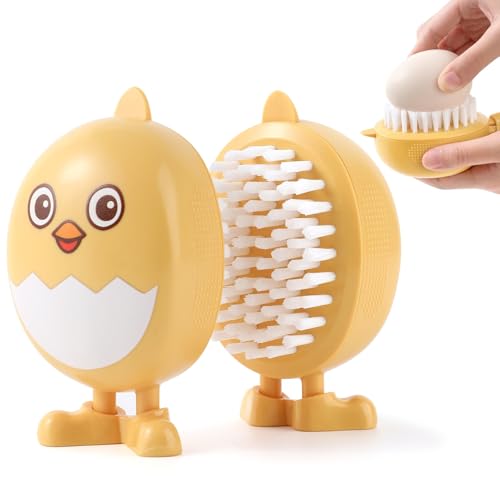
- egg shell cleaning brush
- soft bristle egg shell scrubber
- silicone egg shell cleaning brush

Before You Start
Before handling shells, wash hands and ensure the workspace is clean. Rinse shells to remove any residual egg contents first. Use cool or lukewarm water, as hot water can initiate a rapid temperature change that may crack shells. Plan for a small amount of time per batch to avoid rushing and splashing. Avoid using harsh detergents; they can leave residues on edible shells.
Step-By-Step: How To Clean Egg Shells
- Rinse the egg shells under a gentle stream of cold water to remove loose contents.
- Place shells in a container or basin to contain splashes and keep the sink tidy.
- Use a egg shell cleaning brush or soft bristle egg shell scrubber to scrub the interior and exterior surfaces.
- Pay attention to any ridges or membranes; scrub those areas with a light, circular motion.
- If shells are still dingy, soak them briefly in a solution of water and a small amount of vinegar.
- Rinse thoroughly after soaking to remove all vinegar scent and residue.
- Gently shake off excess water and place shells on a clean towel to air-dry completely.
- Optionally, dry shells in a warm, sunny spot or a dehydrator to speed up drying.
- Inspect shells for remaining residue; repeat the scrub step if needed before storage.
- Store dried shells in a clean container or use them immediately for crafts, compost, or disposal.
- For repeated use, rinse brushes promptly and air-dry between sessions to prevent odor buildup.
- Dispose of any cracked shells that may contaminate others or cause leaks.
Troubleshooting
| Symptom | Likely Cause | Fix | Prevention |
|---|---|---|---|
| Residue remains after rinsing | Hard-to-remove shell membranes | Use a gentle soak with mild vinegar solution, then scrub again | Rinse promptly after cracking eggs |
| Shells look cloudy | Mineral deposits or soap residue | Rinse thoroughly; avoid overuse of detergents | Rinse immediately and air-dry completely |
| Brush accumulates shell bits | Shelled debris stuck in bristles | Rinse brush under running water; use a comb-like tool to dislodge | Clean brushes after each use |
| Strong odor from shells | Remaining organic matter | Rinse well, soak briefly in vinegar solution, then rinse again | Dry shells completely before storage |
Common Mistakes
- Using hot water that cracks or damages delicate shells
- Rinsing shells too aggressively and chipping edges
- Stacking damp shells, which promotes odor and mold
- Using harsh cleaners that leave residues on edible shells
Tips For Best Results
- Always start with a gentle rinse to remove loose contents before brushing.
- Choose a silicone egg shell cleaning brush for flexible reach and easy clean-up.
- For very stubborn spots, a brief vinegar soak can help without harsh chemical use.
- Dry shells completely to prevent odor and mildew when stored.
- Label containers if collecting shells for crafts or compost to avoid cross-contamination.
Call A Professional
In normal kitchen use, a professional is not required. Seek guidance if shells show unusual odors, discoloration that persists after cleaning, or signs of mold growth that cannot be remedied with standard cleaning methods.
FAQ
Can I wash egg shells with dish soap?
Yes, a light dish soap rinse is fine, but rinse thoroughly to remove any soap residues.
Is it okay to reuse shells for crafts after cleaning?
Yes, clean shells are suitable for crafts once fully dry and free of contaminants.
What if shells crack during cleaning?
Handle gently and set cracked shells aside for disposal or safe recycling if applicable.
How long does it take to dry shells completely?
Air-drying typically takes several hours; a warm, dry area speeds up the process.
Buying Guide
When choosing tools to clean egg shells, consider size, material, and ergonomics. A egg shell cleaning brush with a comfortable grip helps reduce hand fatigue during larger batches. A soft bristle egg shell scrubber provides gentler contact to protect shell surfaces. A silicone egg shell cleaning brush offers flexible bristles that reach crevices without scratching. Look for brushes that are easy to rinse and dry, with bristles that are not prone to shedding. For storage, select containers that keep shells dry and separated to prevent odor transfer.
Leave a Reply