How to Clean Earrings: Safe, Step-by-Step Guide
Cleaning earrings regularly helps maintain their shine and prolongs their wear life. This guide covers safe methods for common metals and stones, using tools you may already own or can quickly source. Readers will learn quick maintenance and troubleshooting to keep earrings looking their best.
Owners should consider material type, setting, and any sensitivities when choosing a cleaning method. The steps below balance effectiveness with gentle care to minimize damage to clasps, stones, and metal finishes.
Quick Answer
Best initial method: use a mild cleaning solution, soft brush, and rinse with lukewarm water. For delicate stones or gold-filled pieces, opt for gentle wiping and avoid harsh chemicals. ultrasonic cleaning can be effective but should be used only if the jewelry is labeled safe for ultrasonic exposure.
What You’ll Need
- Ultrasonic jewelry cleaner for earrings
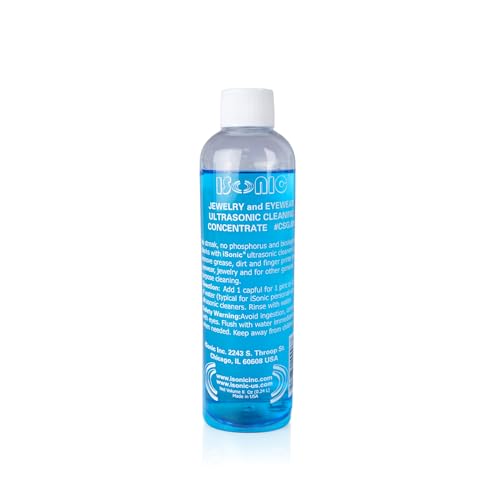
- Earring cleaning kit with solution and brush
- Jewelry cleaning brush set for earrings
- Soft microfiber cloth
- Lint-free cotton swabs


Before You Start
Check metal and stone types before cleaning. Remove any earrings with fragile settings or porous stones such as opals and pearls from ultrasonic cleaners. Never soak porous gems in harsh solutions. Work in a well-lit area and place a soft towel on the workspace to prevent drops. Consider timing: small earrings can be cleaned in a few minutes; more complex pieces may require extra care.
Time estimate: 5–15 minutes for standard pairs. If wearing sensitivities or metal allergies, choose fragrance-free solutions and rinse thoroughly.
Step-By-Step: How To Clean Earrings Effectively
- Remove the earrings from your ears and inspect for loose stones or backs. If a back is loose, do not force it; set the piece aside to avoid loss during cleaning.
- Choose an appropriate cleaning method based on metal and stones. For most metals, a mild solution (soap and water) works well; skip ultrasonic if advised by the manufacturer for your piece.
- Prepare cleaning solution: warm water with a drop of mild dish soap. Avoid hot water, which can damage certain settings or stones.
- Submerge only if safe for the piece. Place earrings in the solution for 5–10 minutes to loosen grime, then remove one by one.
- Gently scrub with a soft brush. Use a jewelry cleaning brush set for edges and prongs, paying attention to settings and clasps.
- Rinse under lukewarm running water to remove soap residue. Hold backs and posts to prevent dropping the piece down the drain.
- Dry with a soft microfiber cloth. For intricate areas, use a lint-free cotton swab to remove remaining moisture.
- Re-check for shine and alignment. If tarnish remains on metal, repeat the cleaning steps or switch to a more suitable cleaning method for that metal type.
- Store in a dry, clean container. Keep pieces separated to prevent scratching and tangling.
- Document care routine. Note the materials and cleaning method for future reference to avoid repeated exposure to incompatible solutions.
- For frequent cleaning, schedule a quick weekly wipe-down to maintain luster without over-treating the pieces.
Troubleshooting
| Symptom | Likely Cause | Fix | Prevention |
|---|---|---|---|
| Stones appear dull after cleaning | Soap residue or improper rinsing | Rinse thoroughly and dry completely | Rinse twice; use a softer brush |
| Metal tarnish returns quickly | Oxidation on susceptible metals | Use a metal-specific cleaner or consult a professional | Store in airtight, dry containers |
| Backs won’t stay tight | Prongs or posts bent or worn | Inspect and replace damaged parts | Regularly check fittings during cleaning |
| Pearls or opals show cloudiness | Porous stones damaged by water or chemicals | Avoid soaking; wipe with damp cloth | Use jewelry cleaners designed for delicate stones |
Common Mistakes
- Using ultrasonic cleaners on porous stones or glued-in components
- Soaking antique or delicate jewelry for too long
- Using harsh cleaners or household solvents
- Neglecting to dry thoroughly, leading to water spots or corrosion
Tips For Best Results
- Test a small inconspicuous area first to ensure compatibility with the cleaning solution.
- Clean earrings separately to avoid cross-contamination of metals and stones.
- Use a soft brush with gentle pressure; avoid scrubbing gemstones or settings too aggressively.
- Schedule professional cleanings for pieces with complex settings or high-value stones.
Call A Professional
Consult a jeweler if you notice loose stones, bent settings, or discoloration that persists after cleaning. Stop using any home cleaner if you see effervescence, cracking, or unexpected changes in color. Seek professional assessment for vintage or precious pieces that require specialist care.
FAQ
Is ultrasonic cleaning safe for all earrings?
No. Ultrasonic cleaners can loosen settings or damage porous stones. Always check the manufacturer’s guidance for each piece.
How often should I clean my earrings?
Clean regularly, especially if you wear earrings daily or have sensitive skin. A quick weekly wipe-down plus monthly deeper cleaning works for most pieces.
Can I use regular dish soap to clean earrings?
Yes, a mild, fragrance-free dish soap in warm water is usually safe for most metals and stones.
What should I do if an earring backs falls off during cleaning?
Pause cleaning, retrieve the back, and inspect for damage. If damaged, replace with a compatible back from the same brand or a jeweler.
Are pearl earrings safe to clean with water?
Pearls are sensitive to chemicals and minerals; wipe gently with a damp cloth and avoid soaking.
What about gold-plated earrings?
Gold-plated pieces may wear more quickly with strong cleaners. Use mild solutions and dry promptly to preserve plating.
Buying Guide
When selecting cleaning tools and products for earrings, consider size, noise level, energy efficiency, controls, and placement. A compact ultrasonic cleaner may be convenient for small items, but a simple kit with a brush and mild solution can suffices for routine care. Look for non-abrasive bristles to protect surfaces, and opt for solutions labeled safe for the metals and stones in your collection. If space is limited, choose a compact, battery-operated unit or a handheld brush system. For sensitive ears or high-value pieces, prioritize products with clear safety guidelines and jewelry-grade formulations. A good cleaning routine reduces buildup, preserves shine, and minimizes the need for aggressive detergents.
Leave a Reply