How to Clean a Dyson Head
Cleaning the vacuum head on a Dyson helps maintain suction, extend motor life, and keep floors spotless. This guide offers a practical, step-by-step method tailored for American homes, using common household tools and a focus on the specific Dyson head components.
Regular maintenance can prevent clogs and buildup that reduce performance. The steps below outline safe practices for typical Dyson vacuum heads while outlining when to seek professional support.
Quick Answer
To refresh a Dyson head, unplug the unit, remove hair and fibers from the brush bar with a cleaning tool, wipe the head shell, and wash the brush bar if the model permits. Avoid soaking electrical components and inspect the suction inlet for debris after cleaning.
What You’ll Need
- Dyson vacuum head cleaning brush attachment
- Dyson brush bar cleaning tool for vacuum
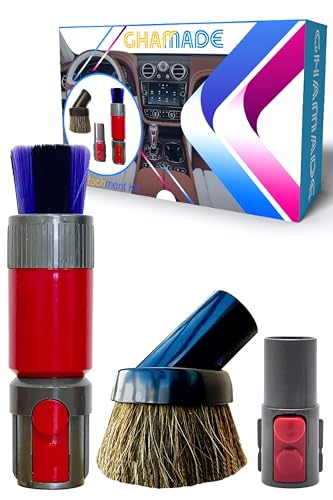
- Dyson vacuum head maintenance tool kit


Before You Start
Before beginning, unplug the vacuum and detach the wand or hose if possible. Clear the area of loose debris to prevent recontamination of the filter and vacuum motor. Safety reminders are critical: do not operate the vacuum with wet hands, and avoid exposing electrical ports to liquids. Plan for a 10–20 minute maintenance window depending on buildup and head design.
Tip: work in a well-lit area and have a trash bin nearby for cleared debris. If your Dyson head has a narrow inlet, use a slim cleaning tool to access tight spaces without forcing fibers deeper into the head.
Step-By-Step: How To Clean A Dyson Head
- Unplug the cleaner and detach the cleaning head from the wand or hose as applicable to your Dyson model.
- Inspect the brush bar for hair, threads, or fibers wrapped around the spindle. Use the Dyson brush bar cleaning tool to unwind and remove tangles.
- Use the Dyson vacuum head cleaning brush attachment to sweep out fine dust inside the tool’s vents and cavity.
- Check the brush bar for snags and replace if the bristles are worn or damaged; some models allow easy removal of the brush for cleaning.
- Wipe the exterior with a damp microfiber cloth. Avoid abrasive cleaners that can scratch the surface or degrade plastic components.
- If the brush bar is removable, rinse it under cool water to clear stubborn residue. Let it fully dry before reassembling.
- Reassemble the brush bar and head, ensuring all components click or screw into place securely.
- Reconnect the head to the wand or hose and perform a quick test on a small area to confirm proper rotation and suction.
- Check for reaccumulated hair or debris after a short run; if needed, perform a secondary quick clean following the same steps.
- Inspect the suction inlet and reseal the head housing to prevent air leaks that can reduce performance.
- Document the maintenance date so you can schedule routine cleanings every 1–3 months based on usage and floor types.
- Store any tools in a dedicated caddy or drawer for easy access during future cleanings.
Troubleshooting
| Symptom | Likely Cause | Fix | Prevention |
|---|---|---|---|
| Brush bar won’t spin | Hair/wrap around spindle | Remove wrap with cleaning tool; recheck alignment | Clear hair buildup after use |
| Loss of suction | Blockage at head inlet | Clean inlet and filter; remove debris | Regularly inspect for clogs |
| Excess vibration or noise | Brush bar loose or unbalanced | Secure and realign; replace worn bar | Gentle cleaning to avoid damage |
| Water or moisture seen | Moisture ingress into electronics | Dry area thoroughly; avoid cleaning with excess water | Keep area dry during maintenance |
Common Mistakes
- Using harsh cleaners that can damage plastic parts or seals
- Soaking electronic components or the head in water
- Forcing tools into tight spaces and bending delicate components
- Skipping the removal of hair buildup, which reduces performance
Keeping to soft brushes and microfiber cloths helps preserve the head’s integrity while maintaining performance.
Tips For Best Results
- Clean the brush bar after heavy cleaning tasks to prevent future tangles
- Schedule monthly quick checks to prevent major clogs
- Use the appropriate Dyson head maintenance tools for your model to avoid damage
- If you notice persistent loss of suction after cleaning, inspect the entire vacuum system, not just the head
Call A Professional
Consider professional service if you observe persistent mechanical issues such as motor overheating, abnormal noises after cleaning, or if the brush bar won’t engage despite proper cleaning. Stop using the vacuum if there is electrical damage, exposed wiring, or a strong smell of burning.
FAQ
How often should I clean the Dyson head?
For households with pets or heavy routine use, perform a quick clean every 1–4 weeks and a deeper clean every 1–3 months.
Can I clean the brush bar with water?
Only if specified by your model’s guide. Generally, the brush bar can be rinsed but should be fully dry before reassembly.
What tools are essential for Dyson head maintenance?
Use the Dyson head cleaning brush attachment, the Dyson brush bar cleaning tool for vacuum, and the Dyson vacuum head maintenance tool kit as needed.
What signs indicate I should see a professional?
If the head leaks, retains heat, or the motor struggles after cleaning, contact a service professional.
Buying Guide
When choosing replacement parts or a maintenance kit for a Dyson head, factor in size compatibility with your model, noise level, energy efficiency of the motor, and the availability of on-head controls or quick-release features. Consider whether you prefer a compact tool kit with essential attachments or a broader maintenance kit that includes multiple brushes and spares. Ease of use matters, especially for tight spaces and frequent cleanups. Compare kits that include a dedicated cleaning brush attachment, a brush bar cleaning tool, and a vacuum head maintenance toolkit to ensure comprehensive coverage.
Leave a Reply