How to Clean Dusty Curtains
Dusty curtains can accumulate allergens and reduce indoor air quality. This guide provides practical, step-by-step methods using common household tools to gently remove dust and debris without damaging fabrics. The approaches prioritize preserving fabric texture and color while delivering noticeable cleanliness.
Whether you prefer a quick refresh or a deep clean, you’ll find techniques that suit different curtain types, from lightweight sheers to heavy drapes. The methods below emphasize safe techniques and accessible tools you may already own.
Quick Answer
Best quick method: Use a handheld vacuum for curtains with upholstery attachment to remove surface dust, then follow with a microfiber duster for areas still dusty. For crisper results, finish with a fabric steamer for curtains to relax fibers and release hidden dust.
What You’ll Need
- Handheld vacuum for curtains with upholstery attachment
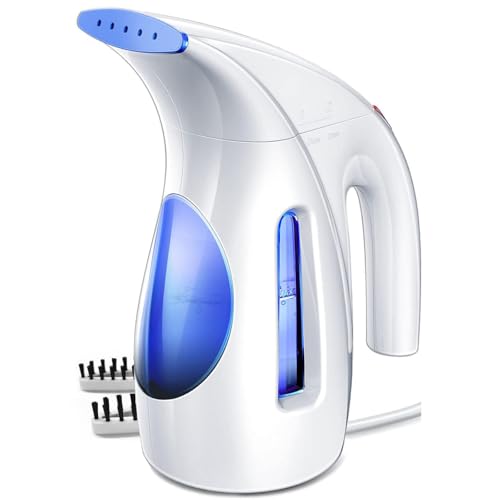
- Fabric steamer for curtains
- Microfiber duster for curtains dust removal


Before You Start
Check fabric care labels on your curtains for cleaning instructions. Light fabrics may require gentler methods, while heavy drapes tolerate more thorough cleaning. Protect floors and furniture with a drop cloth or old sheet. Work in a well-ventilated area or near a window to minimize dust resuspension. Plan for time: vacuuming 5–10 minutes plus steaming or washing may take 15–30 minutes depending on curtain size.
Step-By-Step: How To Clean Dusty Curtains
- Remove the curtains from the rod and place them on a clean surface or hang them over a sturdy rack.
- Dust surfaces with a microfiber duster, brushing from top to bottom to lift loose dust without pushing it back into the fabric.
- Run a handheld vacuum for curtains with upholstery attachment along the entire curtain length to collect embedded dust and lint.
- Gently press or glide the fabric steamer over the folds to relax fibers and release trapped dust; keep the steamer moving to avoid wet spots.
- For delicate fabrics, test the steamer on an inconspicuous area before broader use to prevent shine or warp.
- Rehang curtains and allow them to air out; if the fabric remains dusty, repeat the vacuuming and light steaming.
- For stubborn dust near pleats, use the vacuum hose at a low suction setting and work slowly to avoid pulling threads.
- If your curtains are machine washable, follow the label instructions and use a gentle cycle; ensure they are completely dry before rehanging.
- Finish with a final pass of the microfiber duster on the front and back sides to catch any lingering dust.
- Inspect hardware (rods, hooks) for dust buildup and wipe clean to prevent recontamination after rehanging.
- Rehang and smooth out any creases; consider using a fabric steamer again on a low setting to refresh the surface.
Troubleshooting
| Symptom | Likely Cause | Fix | Prevention |
|---|---|---|---|
| Dusting disperses dust into the air | Dry dust resuspension | Dust in a sheltered area or near an open window; vacuum between passes | Dust regularly to avoid heavy buildup |
| Streaks after steaming | Over-wetting fabric | Keep steam moving; don’t linger in one spot | Test on small area first |
| Fabric color fading or shine | High heat or steam on delicate fabric | Use low steam setting; avoid direct heat | Check label and perform patch test |
| Dust returns quickly after cleaning | Persistent dust in room | Improve room filtration; wash or vacuum surrounding textiles | Use air purifiers; maintain HVAC filters |
Common Mistakes
- Using high heat or soaking fabrics that aren’t fabric-safe
- Skipping a patch test on delicate materials
- Over-wetting, which can lead to shrinkage or mold
- Rushing cleaning sessions, leaving residue behind
- Neglecting to dust surrounding surfaces that shed into curtains
Tips For Best Results
- Dust curtains weekly with a microfiber duster to reduce buildup.
- Always keep a safe distance between the steamer and fabric to avoid scorching.
- Use the upholstery attachment on your vacuum to reach inner pleats and seams.
- For heavily dusted rooms, consider washing or dry-cleaning according to label.
- Rotate curtain cleaning to prevent fabric fatigue from repeated cleaning methods.
Call A Professional
Consider a professional if curtains are heavily stained, heavily textured, or have chemical treatments that require specialist care. Seek a pro for delicate fabrics like silk or antique drapes, or if steam might affect the backing or linings. If you notice persistent shrinking, color bleeding, or fabric damage after cleaning, stop and consult an expert.
FAQ
Can I clean curtains without removing them?
Yes, use a handheld vacuum and microfiber duster while the curtains are on the rod, then remove them only if needed for steaming or washing.
Is steam cleaning safe for all curtain fabrics?
No. Always test on a hidden area first and follow the fabric care label.
How often should I clean dusty curtains?
For high-dust rooms, dust weekly; deeper cleaning every 3–6 months depending on fabric and environment.
What’s the best order for cleaning?
Dust with microfiber, vacuum, steam lightly, then re-dust and rehang.
Should I wash curtains in a washing machine?
Only if the fabric care label permits; use a gentle cycle and air dry if possible.
Do I need to vacuum the back of curtains too?
Yes, vacuum both sides to remove dust that may have settled from the room air.
What should I do if dust returns quickly after cleaning?
Inspect room filtration, replace HVAC or air purifier filters, and consider increasing cleaning frequency.
Buying Guide
When choosing tools to clean dusty curtains, consider size, noise, and compatibility with curtain types. A handheld vacuum with an upholstery attachment is ideal for most household fabrics, offering reach and gentle suction. A fabric steamer provides a quick refresh without water marks, but test first on delicate materials. A microfiber duster is a quick, chemical-free option for daily maintenance. For larger rooms, a larger stand mixer? no—invest in a lightweight steamer or vacuum with a long nozzle to reach tall windows.
Key factors to weigh include size and weight of the cleaning tools, noise level during operation, and energy efficiency for electric devices. Controls should be simple, with adjustable suction or steam settings. Consider placement and storage: keep tools near laundry or laundry room to streamline routines, and store extension cords safely. Compare performance on different fabrics—sheer, cotton, polyester blends, and heavy drapes often respond differently to vacuuming, steaming, and dusting.
If you routinely battle dust in shared living spaces, look for a combination of tools that covers surface cleaning, fiber relaxation, and deep dust removal. For ongoing maintenance, establish a weekly routine using the microfiber duster, followed by a light vacuum pass, and finish with steaming where fabric care labels permit. This multi-tool approach helps preserve fabric quality while maintaining a crisp, dust-free appearance.
Leave a Reply