How to Clean Duck Boots for Longevity
Duck boots are a versatile staple for wet weather, but their rubber and leather components require careful cleaning to maintain waterproofing and appearance. This guide walks through an effective, practical process that keeps your duck boots ready for rain, slush, and mud, using common tools and a few specialty products.
In addition to routine cleaning, you’ll learn how to restore grip, prevent leather cracking, and protect seams from moisture. The steps are designed for American households and accommodate different boot styles, from classic rubber-toe designs to leather-backed models.
Quick Answer
Clean promptly after wear to prevent mud from hardening. Use a soft brush, mild soap, and cool water, then air-dry away from direct heat. Condition leather when dry and seal with appropriate waterproofing product.
What You’ll Need
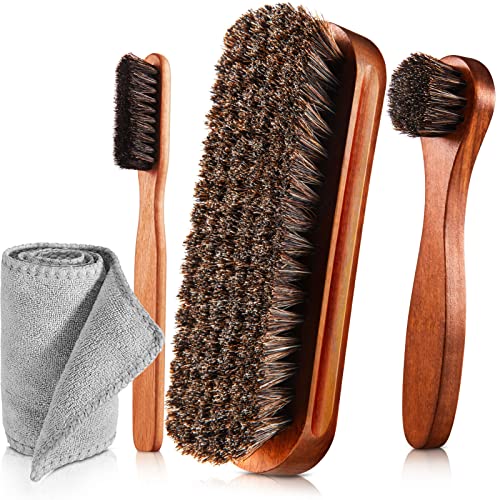
- duck boot cleaning kit brush set
- rubber boot cleaning brush set for duck boots
- waterproofing spray for duck boots rubber leather

Before You Start
Set up in a well-ventilated area. Remove loose dirt with a dry brush before using water. For leather components, test waterproofing spray on a hidden area first to ensure colorfastness. Allow boots to dry completely between steps, and avoid placing them near direct heat sources, which can cause rubber to crack. Time estimate: 20–40 minutes for a standard cleaning session.
Important cautions: Do not submerge leather portions in water for extended periods. Do not use harsh chemicals or bleach. If boots are very muddy, start with dry brushing to minimize mud transfer to cleaning solutions.
Step-By-Step: How To Clean Duck Boots
- Remove laces and insoles if possible to reach all areas; set aside for separate cleaning if needed.
- Use a soft brush to dislodge caked mud from the rubber toe and side panels. Work in circular motions to lift particles without scratching the surface.
- Mix a small amount of mild soap with cool water. Dip the brush into the solution and gently scrub both rubber and leather portions, paying attention to seams where dirt collects.
- Rinse with clean, cool water. Avoid hot water, which can damage leather or cause rubber to stiffen. Use a microfiber cloth to wipe away excess moisture.
- Pat boots dry with a towel and place them in a well-ventilated area to air-dry completely away from direct heat or sunlight.
- Once dry, apply a waterproofing spray for duck boots rubber leather following the product’s instructions. Focus on leather panels and seam edges to bolster moisture resistance.
- If leather looks dry after drying, apply a compatible leather conditioner in a thin, even layer to prevent cracking. Wipe away any excess moisture.
- Reinsert laces and insoles once everything is completely dry. Optionally, clean laces separately to remove stubborn dirt.
- Inspect soles for wear and consider a rubber sole conditioner if creasing or hardening is evident.
- Store boots upright or stuffed with newspaper to maintain shape, in a cool, dry closet or mudroom shelf.
- Schedule regular cleanings after heavy use, and reapply waterproofing as needed based on wear and exposure.
Troubleshooting
| Symptom | Likely Cause | Fix | Prevention |
|---|---|---|---|
| Leather still looks dull after cleaning | Silicone-based spray residue or worn leather | Use a dedicated leather conditioner, then reapply waterproofing | Test finish on hidden area; follow product directions |
| Rubber feels sticky after drying | Residue from soap or coating on leather | Wipe with clean water and dry; reapply waterproofing | Rinse thoroughly; avoid over-sudsing |
| Mud lint in tread resistant | Deeply caked mud in tread | Use a stiff brush to reach grooves, rinse, and dry | Clean soon after use to prevent hardening |
| Water beads but soaks into leather | Leather is worn or waterproofing degraded | Reapply waterproofing spray; consider leather conditioner | Perform occasional refresh coats |
Common Mistakes
- Skipping the dry brush step, which leaves gritty dirt that scratches rubber.
- Using hot water or high heat to dry, which can crack leather or warp rubber.
- Over-wetting leather during cleaning, causing moisture to linger inside boots.
- Neglecting to re-waterproof after cleaning if the spray has worn away.
Tips For Best Results
- Clean boots soon after exposure to mud or salt to prevent long-term staining.
- Test any spray or conditioner on a small inconspicuous area first.
- Store boots with ventilation to prevent mildew; avoid closed plastic bags.
- Rotate use between multiple pairs if possible to extend life and ensure even wear.
Call A Professional
Seek professional help if boots display deep leather cracking, significant color fading, or persistent odor that does not improve with cleaning. If waterproofing fails after multiple applications or if stitching loosens, a cobbler or boot repair shop can assess structural repair and re-seal seams.
FAQ
Can I clean duck boots in a washing machine?
Washing machines can damage leather and deform rubber; hand cleaning is recommended for duck boots.
How often should I waterproof duck boots?
Reapply waterproofing after 3–6 cleanings or when water no longer beads on the surface.
What cleaners are safe for rubber and leather?
Use mild soap and water; avoid harsh chemicals that can degrade rubber or dry leather.
Should I store duck boots with moisture?
No. Ensure they are fully dry before storage to prevent mold and odor formation.
Buying Guide
When selecting duck boots and related care products, consider size and fit, boot material, and climate needs. Look for boots with a waterproof membrane if you face frequent rain or snow. For care products, ensure compatibility with both rubber and leather components. Noise level, though not a major factor for boots, should not matter for cleaning; focus on surface protection and longevity. Energy-efficient products are less relevant here, but choose sprays that are low-VOC if you’re sensitive to fumes. Placement matters; store boots in a dry area with good airflow to extend lifespan. Compare multiple cleaning kit options for brush stiffness, included tools, and compatibility with leather conditioning and waterproofing sprays. A practical setup combines a dedicated brush set, a rubber boot cleaning brush, and a weatherproofing spray designed for rubber and leather, ensuring a simple, repeatable maintenance routine. Would you prefer a compact kit for travel or a full home kit for frequent use?
Leave a Reply