How to Clean Dreadlocks Effectively and Safely
Maintaining clean dreadlocks requires a thoughtful approach that respects the style while keeping scalp health in check. This guide walks readers through practical steps, recommended products, and common pitfalls to avoid. With the right routine, dreadlocks stay fresh, odor-free, and comfortable.
Quick Answer
Best overall method: use a sulfate-free clarifying shampoo for dreadlocks to remove buildup, followed by a gentle rinse and careful drying. A silicone scalp massager for dreadlocks helps loosen debris without shouting a harsh chemical response, and a dreadlock detangler brush can facilitate smooth detangling during cleansing. This combination supports a clear scalp and evenly cleaned locks.
A Practical Starter Kit
What you’ll need to clean dreadlocks effectively includes tools and products designed for textured hair care. The following list focuses on items that help cleanse, detangle, and massage the scalp without causing damage.
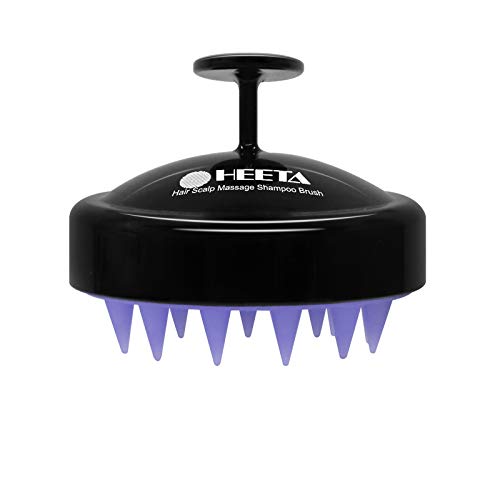
- Silicone scalp massager for dreadlocks — promotes circulation and helps loosen buildup during washing
- Sulfate-free clarifying shampoo for dreadlocks 16 oz — removes residue without drying the scalp
- Dreadlock detangler brush — aids gentle detangling during cleansing and drying


Before You Start
Assess scalp health and consult a professional if you notice persistent itchiness, flaking, or hair loss. Prep the area by tying back loose hair and protecting clothing. Plan for a minimum wash cycle of 15–20 minutes, with extra time for thorough rinsing and drying. Important cautions include avoiding hot water that can strip moisture, and never harshly scrub the scalp, which can loosen dread roots. Always rinse completely to prevent residue buildup.
Step-By-Step: How To Clean Dreadlocks
- Wet the dreadlocks thoroughly with lukewarm water to prep for cleansing.
- Apply a small amount of sulfate-free clarifying shampoo for dreadlocks 16 oz to the scalp and roots, working it in with fingertips.
- Use a silicone scalp massager for dreadlocks to gently massage the scalp, loosening oil and debris.
- Gently work the shampoo through the dreadlocks from the scalp toward the ends, avoiding harsh twisting.
- Rinse completely with lukewarm water, ensuring no shampoo residue remains in the locks.
- Repeat the cleansing if buildup is visible, but avoid over-washing as it can dry the scalp.
- Apply a light conditioner only to the ends if needed, or skip conditioner for freshly washed, fully dried locs.
- Detangle as needed using the dreadlock detangler brush, starting at the tips and working upward to reduce breakage.
- Rinse again if conditioner was applied, then gently squeeze out excess water with a microfiber towel.
- Air-dry or use a low-heat dryer setting while ensuring the scalp remains dry to prevent mold or mildew.
- Check for lingering residue or odor after drying and repeat cleansing if necessary.
Troubleshooting
| Symptom | Likely Cause | Fix | Prevention |
|---|---|---|---|
| Date/odor persists after washing | Residual buildup or insufficient rinse | Rinse longer, use a second wash cycle | Rinse thoroughly every wash; use sulfate-free clarifying shampoo for dreadlocks 16 oz as needed |
| Locks feel dry or brittle | Over-washing or harsh products | Reduce washing frequency; switch to a lighter moisture routine | Limit use of harsh cleansers; deep condition only if necessary |
| Detangler brushes snagging | Tew knots or tension in locs | Gently work from tips with short strokes | Detangle when damp, use proper technique |
| Unpleasant scalp sensation | Dry scalp or product buildup | Massage with silicone massager and adjust cleansing routine | Maintain scalp hydration between washes |
Common Mistakes To Avoid
- Over-washing dreadlocks, which strips natural oils and dries the scalp
- Using regular shampoo with sulfates on dreadlocks
- Rough detangling, which can cause shedding and damage
- Skipping thorough rinses, leaving residue that leads to odor
Tips For Best Results
- Incorporate a scalp massage during washing to stimulate blood flow and loosen buildup
- Use a microfiber towel to reduce friction and drying time
- Schedule washes based on scalp moisture and activity level to maintain clean, fresh locs
- Store cleansing products in a cool, dry place to protect efficacy
Call A Professional
Consider calling a professional if there are signs of persistent itching, severe buildup, or scalp conditions that do not improve after routine cleansing. Seek a stylist or trichologist if there is visible breakage, unusual hair loss, or symptoms lasting more than a few weeks. If skin shows redness, swelling, or pus, seek urgent medical advice.
FAQ
How often should I wash dreadlocks?
Frequency varies by scalp type and activity level; many people wash every 1–2 weeks, adjusting as needed for buildup and odor.
Can I condition dreadlocks?
Conditioners can be used sparingly on the ends or avoided if buildup or softness is a concern; opt for a light, residue-free option if used.
Is a scalp massager necessary?
While not mandatory, a silicone scalp massager helps loosen buildup and promotes circulation during cleansing.
What should I do if my dreadlocks feel stiff after washing?
Gently re-wet and rinse, then ensure complete drying and consider a lighter moisturizing routine between washes.
Buying Guide
When selecting products to clean dreadlocks, consider several factors that influence results and comfort. Size matters for shampoos and tools; a 16 oz bottle of clarifying shampoo provides a practical balance of value and usage. Noise and design are relevant for massage tools, with silicone massagers offering gentle operation and durability. Energy efficiency is less of a concern for hand tools, but ergonomics determine ease of use during cleansing. Controls should be straightforward, and products should be labeled sulfate-free and specifically formulated for dreadlocks or locs to prevent buildup. Place cleansing products in a dedicated spot in the bathroom for easy access after workouts or outdoor activities. Comparing options on tangibility—how a detangler brush feels in the hand and how a scalp massager delivers comfort—helps in choosing a setup that fits daily routines. Above all, read ingredient lists to avoid harsh chemicals that can dry out the scalp or locs. A well-rounded kit with a clarifying shampoo, a detangler brush, and a scalp massager supports a clean, healthy dreadlock routine without sacrificing comfort or hair integrity.
Leave a Reply