How to Clean a Dishwasher
Keeping a dishwasher clean not only helps it run more efficiently but also improves the cleanliness of dishes and eliminates odors. This guide walks American homeowners through a practical cleaning routine using common tools and targeted brushes designed for dishwashers.
Regular maintenance reduces buildup on spray arms, filters, and interior walls. Following these steps will help extend the life of the appliance and maintain optimal cleaning performance.
Quick Answer
Remove standing water, clear the filter, scrub the interior with a long-handled cleaning brush, spray arm, and filter brush, then run a hot cycle with a dishwasher-safe cleanser. Wipe seals and door edges, dry surfaces, and repeat monthly or as needed to prevent buildup.
What You’ll Need
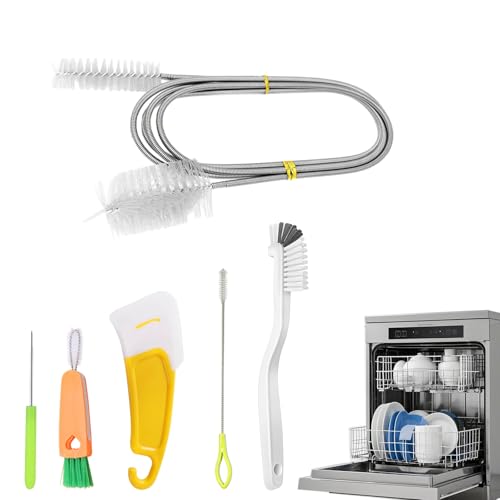
- Dishwasher cleaning brush long-handled
- Dishwasher spray arm and filter cleaning brush
- Dishwasher cleaning wand kit
- Dishwasher-safe cleaner or white vinegar and baking soda
- Soft cloth or microfiber towels
- Latex gloves (optional)


Before You Start
Safety first: unplug or switch off the circuit, and avoid using harsh chemicals near the control panel. Prepare a clean workspace and have towels handy for any spills. Time estimate: 25–40 minutes for a thorough clean; plan 1–2 hours for a deep monthly cleanse. Caution: never mix cleaners that contain bleach with ammonia or vinegar in a sealed container. Inspect door gaskets for cracks or signs of wear and replace if needed.
Step-By-Step: How To Clean Your Dishwasher
- Remove racks and large debris: take out the bottom rack to access the filter and spray arms. Clear any food debris lodged in the bottom before deep cleaning.
- Inspect and remove the filter: locate the filter assembly, confirm its type, and remove it according to the manual. Use the dishwashing wand kit to spray and loosen stuck particles, then wipe with a soft cloth.
- Clean the filter and trap: use the dishwasher cleaning brush long-handled to scrub the filter mesh and trap area. Rinse under warm water until clear of residues.
- Clean spray arms: remove or loosen spray arms if possible, then use the dishwasher spray arm and filter cleaning brush to scrub holes and nozzles. A steady back-and-forth motion helps dislodge mineral deposits.
- Wipe door gasket and edges: with a damp cloth or microfiber, wipe the door seal, hinges, and surrounding crevices. Check for cracks or wear that could allow leaks and replace as needed.
- Deep clean interior surfaces: use the dishwasher cleaning wand kit to spray inside walls and corners. Alternatively, run a hot cycle with a dishwasher-safe cleaner, or place a cup of white vinegar on the top rack and run a hot cycle.
- Rinse and dry: after the cycle completes, remove racks again and wipe any remaining moisture. Leave the door ajar for a while to air dry and prevent mold.
- Replace racks and test run: reassemble the dishwasher, run a quick cycle with empty load to verify water flow and cleaning performance before returning to normal use.
- Establish a maintenance routine: perform this cleaning every 1–3 months depending on usage and water hardness. If odors persist, repeat sooner and consider mineral-removing cleaners if recommended for your area.
Troubleshooting
| Symptom | Likely Cause | Fix | Prevention |
|---|---|---|---|
| Dishes come out dirty | Clogged spray arms or filter | Clean spray arms and filter thoroughly; ensure the water inlet isn’t blocked | Clean monthly, use proper loading to avoid blocking spray |
| Unpleasant odor | Food buildup or moisture in seal | Clean interior surfaces, run a hot cycle with cleaner, dry door after use | Leave door ajar after cycles to air out |
| Water not draining | Clogged filter or pump screen | Clear debris from filter and pump area | Regularly check drain area and avoid disposing of large scraps |
| Visible mineral deposits | Hard water build-up | Use mineral-removing cleaners or a rinse aid, scrub deposits with the brushes | Descale quarterly if in hard-water regions |
Common Mistakes
- Using abrasive cleaners on seals or nonstick surfaces
- Forgetting to remove large food scraps before running a cycle
- Overloading racks or blocking spray arms
- Skipping regular filter maintenance, leading to stubborn clogs
Tips For Best Results
- Choose a high-temperature cycle for deeper cleaning and better sanitizing power
- Pair a powerful spray arm brush with the filter brush for thorough removal of debris
- If your water is very hard, consider a rinse aid and a monthly mineral-remover treatment
- Use a dishwasher-safe cleaner or hot vinegar cycle to break down grease and soap scum
- Schedule routine maintenance to prevent odors and ensure efficiency
Call A Professional
Stop signs that indicate a pro is needed include persistent leaks, unusual noises during cycles, or failure to drain despite cleaning. If damages appear on the door gasket or interior wiring, contact an appliance technician. Do not attempt major repairs beyond standard cleaning and replacement of seals or filters.
FAQ
How often should I clean my dishwasher?
Most households benefit from a thorough cleaning every 1–3 months, with more frequent cleaning in areas with hard water or high usage.
Can I use bleach or vinegar together in my dishwasher?
Avoid mixing bleach with ammonia or ammonia-based cleaners. Vinegar can be used in moderation but not in combination with bleach for safety reasons.
What is the best tool for cleaning the spray arms?
A long-handled cleaning brush designed for spray arms provides the best leverage to reach small holes and remove mineral buildup.
Do I need to run a cleaning cycle with a cleaner?
Using a dishwasher-safe cleaner on a hot cycle is effective, but hot water and mineral-removing methods can work if you don’t have a dedicated cleaner.
Buying Guide
When choosing dishwasher cleaning tools and accessories, consider these factors to optimize results and compatibility with your model.
Size and reach: Long-handled brushes and wands should reach deep into filters and spray arms without needing to disassemble major components. Check clearance under racks and around the door.
Brush design: Look for stiff but flexible bristles that can dislodge baked-on grime without scratching surfaces. A combination set that includes a brush for filters and a spray arm pick is ideal.
Compatibility: Ensure tools work with standard dishwasher models and fit standard access points. Some kits include multiple attachment heads for different areas.
Material and durability: Choose corrosion-resistant materials like stainless steel or high-grade plastics that withstand frequent exposure to hot water and cleaners.
Ease of cleaning: Tools with detachable heads or washable components simplify maintenance and extend tool life.
Cost and value: A complete kit with a long-handled brush, spray arm brush, and a cleaning wand kit offers the best value for regular maintenance.
Placement considerations: Store tools in a dry, easily accessible area near the kitchen sink, so they’re handy for routine maintenance and quick spot cleaning after heavy meals.
Leave a Reply