How to Clean Dorm Room Efficiently and Safely
Keeping a dorm room tidy can feel challenging with tight spaces and shared living areas. This guide provides practical steps and simple tools to maintain a clean, healthy space without wasting time.
Quick Answer
Do a daily 5-minute reset, weekly deep clean, and monthly refresh. Focus on high-traffic areas, swap out used towels and linens, and use compact cleaning tools designed for small spaces to minimize clutter and effort.
What You’ll Need
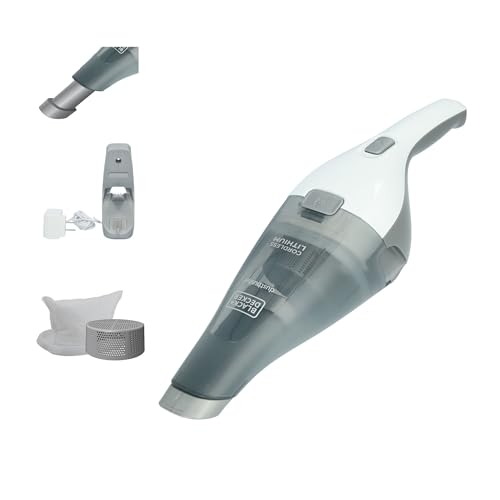
- Cordless handheld vacuum for small spaces dorm room for quick pick-ups and dust control
- Microfiber mop for dorm room floors compact to tackle spills and sticky spots
- Multi-surface cleaning spray disinfectant dorm room for surfaces, desks, and shared areas
- Additional basic supplies: microfiber cloths, sponges, trash bags, disposable gloves, bucket or spray bottle


Before You Start
Plan a 20–40 minute routine depending on the size of the room. Clear clutter from desks, floors, and surfaces before cleaning. Ventilate the space by opening a window or turning on a fan to reduce fumes from cleaners. Never mix cleaning chemicals unless the label allows it and always store cleaners out of reach from roommates or visitors. If you share a bathroom or common areas, coordinate cleaning times to minimize disruption.
Step-By-Step: How To Clean Dorm Room
- Power up the cordless handheld vacuum for small spaces dorm room and run along corners, under the bed, and around desk legs to remove dust and debris.
- Dust horizontal surfaces with a microfiber cloth. Start high (shelves, posters) and work downward to avoid re-cleaning. Use the multi-surface cleaning spray disinfectant dorm room on nonporous surfaces after dusting.
- Wipe down desk, desk chair, and electronics carefully. Avoid excessive moisture on electronics; use a damp cloth and follow with a dry microfiber to prevent streaks.
- Take out trash and recycling. Tie bags securely and replace liners to reduce odors and pests in shared spaces.
- Spot-clean the floor with the microfiber mop for dorm room floors compact. Focus on traffic paths and spill-prone zones near the door and under the table.
- Clean the mirror and any glass surfaces with a microfiber cloth dampened with a small amount of cleaning spray, avoiding streaks by wiping in a circular motion.
- Wash or launder bed linens, towels, and curtains regularly. If laundry facilities are shared, schedule laundry days to maximize facility use and minimize hallway clutter.
- Refresh air and reduce odors by airing out the room for 10–15 minutes. Consider placing a small basket with deodorizing sachets or gentle scents away from food areas.
- Organize storage bins and under-bed containers. Keep frequently used items accessible and clearly labeled to sustain a tidy environment.
- Do a quick 5-minute nightly reset: remove clutter from surfaces, wipe spills, and straighten pillows. This maintains cleanliness between deeper cleans.
- Review safety habits: store cleaners in a secured location, avoid mixing chemicals, and report any mold or moisture issues to housing staff promptly.
- End with a final wipe-down of entryways and door handles to minimize germ spread, especially during cold and flu seasons.
Troubleshooting
| Symptom | Likely Cause | Fix | Prevention |
|---|---|---|---|
| Strange odor after cleaning | Residual moisture or trash buildup | Remove trash, run a fan, and wipe surfaces dry | Clean weekly and empty recyclables regularly |
| Streaks on mirrors or glass | Too much cleaner or dry cloth | Use a small amount of spray; buff with a dry microfiber | Wipe while surfaces are slightly damp |
| Dust returns quickly | Airborne dust from fabric or electronics | Vacuum more often and wash fabric covers | Use door mats and change air filters in dorms when possible |
| Floor feels sticky after mopping | Excess cleaner or dirty mop head | Rinse mop, use minimal cleaner, and dry floor | Rinse and wring mop frequently during cleaning |
Common Mistakes
- Using too much cleaning product, causing residue and streaks
- Neglecting high-touch areas like door handles and light switches
- Overloading a compact mop with water leading to floor dampness
- Avoiding storage organization, which invites clutter buildup
Tips For Best Results
- Schedule a quick daily reset to maintain a consistently neat space
- Keep the cordless handheld vacuum for small spaces dorm room charged and ready for rapid pickups
- Use microfiber materials for better pickup with less chemical use
- Label storage bins to simplify maintenance and return items to their place
- Coordinate chores with roommates to share responsibilities and improve cleanliness
Call A Professional
Significant water damage, persistent mold, or structural issues require professional assessment. If you notice musty odors that don’t improve after ventilation, swelling walls, or recurring moisture, contact campus facilities or housing maintenance promptly. For safety concerns about electrical outlets or wiring, seek campus-licensed staff assistance immediately.
FAQ
Can I clean a dorm room without strong chemicals?
Yes. Use water and microfiber cloths with a light, multi-surface spray to minimize chemical exposure while keeping surfaces clean.
How often should I clean a dorm room?
Apply a quick daily reset, a more thorough weekly clean, and a monthly deep clean to manage dirt and odors effectively.
What tools are essential for small dorm spaces?
A cordless handheld vacuum, a compact microfiber mop, and a multi-surface disinfectant spray are highly effective for quick maintenance.
How do I handle shared spaces or bathrooms?
Coordinate cleaning times, use shared cleaning supplies, and maintain separate schedules to avoid conflicts and ensure fairness.
What should I do about noise during cleaning?
Plan cleaning during reasonable hours and use quiet settings on devices when possible to respect roommates and neighbors.
Buying Guide
When choosing cleaning tools and supplies for a dorm room, consider size, noise, and ease of use. For compact spaces, select lightweight, battery-powered tools that store easily under a bed or in a closet. Noise levels matter in shared rooms, so look for quiet-operation models or those with adjustable settings. Energy efficiency helps minimize battery replacements and power draw. Controls should be simple and intuitive, enabling quick routines between classes and study sessions. Placement matters—store items in a dedicated caddy or bin near the door to speed up daily resets. Compare options based on how well they fit narrow dorm layouts, how quickly they can clear common messes, and how durable they appear for frequent transport to different housing locations.
Leave a Reply