How to Clean Door Knobs
Door knobs accumulate fingerprints, grime, and tarnish over time, especially in high-traffic homes. Regular cleaning keeps them hygienic and looking like new, while avoiding damage to finishes. This guide covers practical steps, tools, and tips to restore shine and maintain hardware longevity.
Quick Answer
For routine cleaning, wipe with a damp microfiber cloth, then dry and buff. For grime or tarnish, use a door knob cleaning brush to scrub crevices, followed by a microfiber wipe. For brass finishes, apply a brass door knob polishing kit as directed, avoiding harsh abrasives on all metals.
What You’ll Need
- Door knob cleaning brush
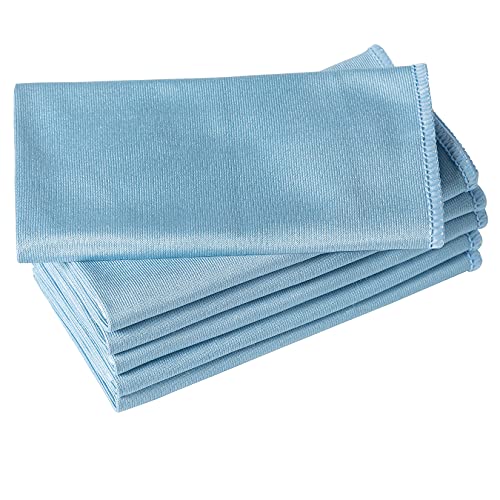
- Microfiber cloth for door hardware cleaning
- Brass door knob polishing kit


Before You Start
Ensure the room is well lit and the area around the door knob is clear. Remove loose dust with a quick sweep or vacuum edge. Test cleaners on a small, inconspicuous spot to prevent damage to finishes. Always disconnect power if the door lever is near electrical fixtures and wear gloves if you have sensitive skin. Expect a cleaning session to take 15–30 minutes per door, depending on grime level.
Step-By-Step: How To Clean Door Knobs
- Remove surface dust with a dry microfiber cloth to prevent muddy residue during cleaning.
- Dampen a microfiber cloth and wipe the entire knob, paying attention to the base and any crevices.
- Use the door knob cleaning brush on textured areas and tight grooves to loosen built-up grime.
- Wipe away loosened dirt with a fresh microfiber cloth; ensure all moisture is removed to avoid spotting.
- If tarnish is visible on brass or metal finishes, apply a small amount of brass door knob polishing kit following the product directions.
- Buff the knob with a clean, dry microfiber cloth to restore luster and reduce fingerprint streaks.
- Wipe hinges and surrounding hardware if needed, then recheck the knob’s operation to ensure smooth rotation.
- For high-traffic entry doors, repeat the cleaning routine every 1–2 weeks or as grime returns.
- Rinse and dry any cleaning solution thoroughly to prevent residue that can attract more dirt.
- Reassemble or adjust any misaligned plates if cleaning caused shifting during the process.
- Store cleaning supplies out of reach of children and pets when finished.
Troubleshooting
| Symptom | Likely Cause | Fix | Prevention |
|---|---|---|---|
| Knob feels sticky after cleaning | Residual cleaner or moisture | Wipe again with a dry microfiber cloth; ensure complete drying | Dry thoroughly after each cleaning |
| Brass finish tarnishes quickly | Overuse of abrasive cleaners | Use brass-specific polishing kit with light pressure | Clean less aggressively; wipe with microfiber |
| Finishes appear dull | Build-up of oils and fingerprints | Regular wipe-down with microfiber; avoid harsh solvents | Establish routine maintenance schedule |
| Knob becomes hard to turn | Residue around spindle or misalignment | Lubricate minimally with manufacturer-recommended product; realign plates if needed | Clean and lubricate per guidance |
Common Mistakes
- Using harsh abrasive cleaners on delicate finishes
- Letting moisture linger on metal surfaces
- Neglecting tight crevices that trap grime
- Rushing the polishing step and creating streaks
Tips For Best Results
- Keep a small repertoire of microfiber cloths dedicated to hardware cleaning to avoid transferring oils from hands.
- Choose a cleaning routine aligned with finish type (stainless, nickel, brass) to prevent damage.
- For decorative brass knobs, avoid door oils or waxes that can attract dust; use a purpose-made polish instead.
- Test any new product on a hidden area before full application.
- If cleaning takes more than a few minutes per door, consider scheduling a quarterly deep clean to reduce routine effort.
Call A Professional
Seek professional help if a knob is cracked, loose, or not functioning after cleaning. Stop cleaning and contact a locksmith or hardware specialist if the spindle or mounting plate shows wear, or if you notice significant corrosion, rust, or structural damage that affects door security.
FAQ
Is it safe to use household cleaners on door knobs?
Yes, but avoid harsh solvents or acidic products on brass or plated finishes; opt for mild cleaners and test first.
How often should I clean door knobs?
In busy households, a biweekly wipe-down plus a monthly deeper clean is a good baseline.
Can I polish brass door knobs regularly?
Yes, with a brass-specific polishing kit and gentle application to protect the finish.
What should I do if a knob is squeaky after cleaning?
Inspect for looseness; tighten screws or consult a professional if movement persists after cleaning.
Buying Guide
When selecting tools and products for cleaning door knobs, consider size, finish, and installation type. A concise kit with a door knob cleaning brush and microfiber cloth handles most surfaces, while a brass door knob polishing kit is ideal for brass finishes. Noise level is not a major factor here, but choose easy-to-handle tools that reach crevices. Look for non-abrasive formulas and finishes compatible with stainless, nickel, brass, or coated knobs. Placement matters: interior doors often tolerate gentler cleaners, while exterior knobs exposed to weather may require more robust protection and routine polish. Compare kits by included accessories, ease of use, and brand compatibility with common household hardware finishes. For homes with multiple doors, a compact, all-in-one kit is convenient and cost-effective. Always follow manufacturer instructions for any product and keep surfaces dry after cleaning to extend the life of the hardware.
Leave a Reply