How to Clean Dog Poop From Floor: Fast, Safe Methods
Cleaning up after a dog can be stressful, especially when poop is tracked across hard floors or carpets. This guide walks American pet owners through a quick, safe, and effective process to remove stool from floors, neutralize odor, and prevent repeat accidents.
The steps emphasize practical tools you may already own and simple products that are widely available in U.S. markets. By following these methods, you can restore cleanliness and reassure your pet’s living space.
Quick Answer
Act quickly to pick up solid waste with a sturdy scoop, wipe the area, and treat the spot with a high-quality enzymatic cleaner. For stray residues and loose particles, use a cordless handheld vacuum designed for pet messes on floors and carpets. Finish by rinsing and drying the surface to prevent re-soiling.
What You’ll Need
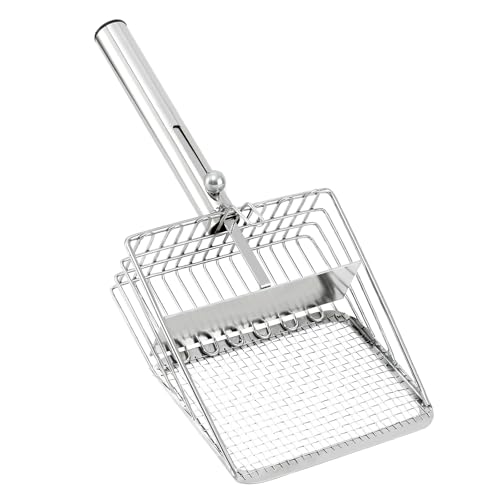
- Stainless steel pet poop scoop with long ergonomic handle for hard floors – for clean, upright pickup on bare floors
- Cordless handheld vacuum for pet mess on floors and carpets – for quick cleanup on multiple surfaces
- Enzymatic pet urine and stool stain remover spray 32 oz floor cleaner – to neutralize odor and break down organic material
- Paper towels or disposable cloths
- Warm water and mild dish soap
- Gloves for hygiene
- Optional: fan or open window for faster drying


Before You Start
Safety first: Wear gloves and keep pets and children away from the cleanup area until it’s fully clean. Test any cleaner on a hidden spot to ensure it won’t discolor your floor. For hard floors, ensure the area is well-ventilated. The project typically takes 10–20 minutes, depending on room size and floor type.
Prepare the surface by removing loose stool with a stainless steel pet poop scoop, then blot the area with paper towels. If there is a strong odor, an enzymatic cleaner is the best option to destroy organic compounds rather than mask them. Avoid using ammonia-based cleaners, which can attract pets back to the same spot.
Step-By-Step: How To Clean Dog Poop From Floor
- Put on gloves and set up your space with a trash bag and paper towels within reach.
- Use the stainless steel pet poop scoop with long ergonomic handle for hard floors to lift and discard solid waste into the bag.
- Wipe the area with paper towels to remove visible residue, pressing gently to prevent spreading.
- Apply a light spray of enzymatic pet urine and stool stain remover spray 32 oz floor cleaner to the affected area, following the label directions.
- Let the enzymatic formula sit for the recommended dwell time to break down organic material.
- Gently blot with clean towels to lift loosened material, then rinse the area with warm water and a drop of mild soap if needed.
- Use the cordless handheld vacuum for pet mess on floors and carpets to pick up any remaining moisture or small particles from the surface and nearby fibers.
- Blot the area again with clean towels and allow it to air dry. If possible, use a small fan to speed drying.
- Inspect the spot for any remaining odor or staining. Reapply the enzymatic cleaner if necessary and repeat the dwell time.
- Dispose of used towels and trash properly, then wash your hands and sanitize surfaces touched during cleanup.
- Return tools to their storage, ensuring the area is completely dry to prevent future soiling.
Troubleshooting
| Symptom | Likely Cause | Fix | Prevention |
|---|---|---|---|
| Persistent odor after cleaning | Insufficient enzymatic activity or inadequate dwell time | Reapply enzymatic cleaner and allow adequate contact time | Pre-clean with scoop and blot, then treat immediately after accidents |
| Discoloration on floor after cleaning | Harsh cleaning product or splashed cleaner | Rinse area thoroughly and use a floor-safe cleaner | Test cleaners on hidden area first |
| Streaks or residue on floor | Soap film or overuse of cleaner | Rinse with plain water and blot dry | Use minimal cleaning solution per office guide |
| Floor feels tacky to touch | Leftover moisture or residue | Extend drying time or use a fan | Dry thoroughly during cleanup |
Common Mistakes
- Using ammonia-based cleaners that can attract pets back to the same spot
- Wait-and-see approaches that let odors set in longer
- Over-wetting floors, which can damage some surfaces or encourage mold
- Relying on a single product; combining scoop, enzymatic cleaner, and vacuum yields best results
Tips For Best Results
- Act quickly to minimize staining and odor; speed matters for carpets and porosity.
- Keep the cordless handheld vacuum charged for fast response, especially in multi-room homes.
- Label and store enzymatic cleaners away from pets when not in use.
- Use a separate set of towels for cleaning and drying to prevent cross-contamination.
- Consider placing a small cleaning kit in the laundry room for easy access after puppy potty training.
Call A Professional
If accidents are frequent or involve large areas, consider consulting a professional pet stain remover or carpet cleaning service. Signs to seek help include persistent, widespread staining, water damage, or ongoing odor that refuses to disappear after multiple cleaning attempts.
FAQ
How soon should I clean dog poop from the floor?
Clean as soon as possible for the best results. Quick action reduces staining and odor and minimizes tracking onto other surfaces.
Can I use bleach to clean dog poop?
Avoid bleach on most floor types; it can damage finishes and create harmful fumes. Enzymatic cleaners are safer and more effective for organic material.
Is a stainless steel scoop necessary?
While not mandatory, a sturdy scoop with an ergonomic handle makes pickup easier and more hygienic, especially on hard floors.
Do I need to rinse after enzymatic cleaner?
Follow the product label; many enzymatic cleaners do not require rinsing but may benefit from a light wipe with water.
Can I use a vacuum to clean stool directly?
Yes, a cordless handheld vacuum can help remove dried particles and moisture after initial cleanup, especially on carpets.
How do I prevent repeat accidents in the same spot?
Train and supervise, provide quick access to a bathroom area, and establish a routine that encourages timely outdoor trips. Clean thoroughly and consider a pet-safe deterrent spray if recommended by a vet.
Buying Guide
When choosing tools for cleaning dog poop from floors, consider size, noise level, energy efficiency, controls, and placement in the home. Look for a stainless steel scoop with an ergonomic handle for durability and ease of use. A cordless handheld vacuum should offer strong suction, a lightweight design, and a rechargeable battery for quick cleanup across rooms. Enzymatic cleaners should be pet-safe, dye-free, and designed for both urine and stool to handle odors effectively. Think about how frequently you clean in multi-room spaces and whether you need portable cleaning kits for evening runs or travel. For best results, select compatible products that work well together and fit your home layout.
Leave a Reply