How to Clean a Dog Grass Pad
A dog grass pad, an artificial turf solution for pets, needs routine cleaning to stay fresh and safe. This guide explains a straightforward method to remove odor, dirt, and hair, using common tools and pet-safe cleaners.
With a little routine maintenance, a dog grass pad can look great and perform well for years. The steps below emphasize practical techniques and safe products to protect the turf and your pet.
Quick Answer
Scrub the surface with a stiff-bristle brush, rinse with a garden hose nozzle spray jet, apply an enzyme cleaner for odors, and let the pad air dry. Regular upkeep prevents buildup and keeps the turf sparkling clean.
What You’ll Need
- Stiff-bristle brush for cleaning artificial turf or a broom with firm bristles
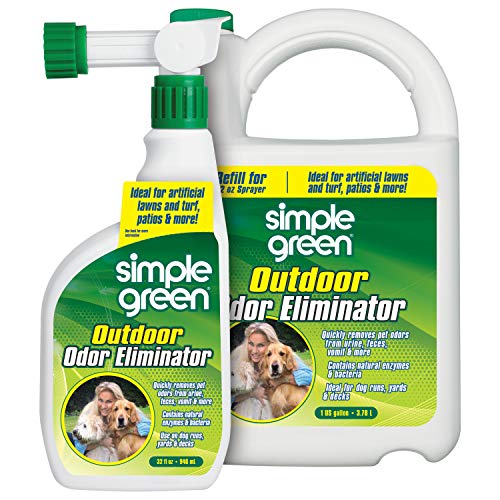
- Enzyme cleaner for dog artificial grass to neutralize odors
- Garden hose nozzle spray jet for cleaning outdoor turf for thorough rinsing


Before You Start
Prepare a clear workspace around the pad and remove any loose debris by hand. Check the area for sharp objects or damage to the edges before cleaning. Protective gloves and good ventilation help during cleaning, especially if you’re using cleaners. Time estimates: 20–40 minutes for a full clean, depending on pad size and soil level.
Step-By-Step: How To Clean A Dog Grass Pad
- Brush the surface with a stiff-bristle brush for cleaning artificial turf to lift hair and dry debris.
- Shower the pad with a gentle stream from a garden hose nozzle spray jet for cleaning outdoor turf to loosen embedded dirt.
- Spot-treat any stains with a small amount of enzyme cleaner for dog artificial grass and scrub gently.
- Rinse thoroughly, ensuring all cleaner residue is washed away to prevent slick spots.
- Target odorous areas by applying a light mist of the enzyme cleaner and allowing it to sit for 5–10 minutes before a final rinse.
- Drain excess water and allow the pad to air dry fully in a shaded area to prevent mold and mildew.
- Inspect seams and edges for wear during drying; perform minor repairs if needed after cleaning.
- Return the pad to service and monitor odor levels after a few days of use for any recurring issues.
Troubleshooting
| Symptom | Likely Cause | Fix | Prevention |
|---|---|---|---|
| Persistent odor | Accumulated urine or bacteria | Apply enzyme cleaner and rinse; consider deeper cleaning | Clean regularly; train pets to use a designated area |
| Streaks after cleaning | Cleaner residue | Rinse thoroughly until water runs clear | Use the recommended amount of cleaner |
| Drying slowly | Poor airflow or shade | Improve ventilation and flip pad if needed | Place in a sunny, shaded mix on dry days |
| Stiff bristles wear quickly | Hard brushing too often | Use moderate brushing and alternate methods | Rotate cleaning tools |
Common Mistakes
- Using harsh cleaners or bleach on artificial turf
- Not rinsing thoroughly, leaving residue
- Brushing too aggressively, damaging fibers
- Cleaning in direct sunlight when the pad is very wet
Tips For Best Results
- Establish a routine: quick weekly quick sweep and monthly deep clean
- Keep a spray bottle of enzyme cleaner handy for quick odor control
- Rinse with a broad jet to reach the backing and edges
- Rotate the pad periodically if it covers a large area to ensure even wear
Call A Professional
Call a professional if you notice persistent odors after multiple cleanings, if yellow or brown staining won’t lift, or if the turf shows visible damage beyond routine wear. Signs to seek help include persistent mold, pooling water after cleaning, or frayed fibers that compromise safety or performance.
FAQ
How often should I clean a dog grass pad?
Perform a light weekly sweep and a deeper clean every 2–4 weeks, or more often in high-traffic or humid environments.
Can I use household cleaners on dog artificial grass?
Avoid bleach or ammonia-based products; use enzyme cleaners designed for pet areas or mild, pet-safe detergents.
Will cleaning damage the turf backing?
When used properly with a gentle rinse and avoiding harsh scrubbing, cleaning should not damage the backing.
What if odors return after cleaning?
Reapply enzyme cleaner and increase cleaning frequency moderately; ensure thorough rinsing and drying after each wash.
Buying Guide
Choosing the right cleaning approach for a dog grass pad involves considering size, usage, and maintenance goals. A larger pad may require more thorough rinsing, while a smaller pad is easier to manage with a handheld nozzle. Noise level- conscious homeowners might prefer a garden hose nozzle with adjustable spray settings to minimize disruption. Energy efficiency is less about equipment and more about efficient cleaning routines that minimize water use and drying time. Controls should be simple: one pump action, a quick-release nozzle, and clear instructions. Placement matters; avoid direct sun during cleaning to reduce heat and surface stress. When comparing products, balance the convenience of a stiff-bristle brush, a reliable enzyme cleaner, and a versatile spray nozzle to achieve fast, safe, and effective cleaning. Do you want a streamlined kit or mix-and-match tools?))
Leave a Reply