How to Clean a Garbage Disposal Drain Effectively
Maintaining a clean garbage disposal helps prevent clogs, odors, and strange sounds. This how-to article walks American homeowners through a practical, step-by-step process to refresh the drain area and keep the disposal running smoothly.
With the right approach, you can minimize buildup and extend the life of your unit. The focus here is on safe, effective methods that work for most standard kitchen disposals.
Quick Answer
Flush the disposal with cold water, grind a few ice cubes to dislodge debris, scrub the sink area and splash guard, and use a specialized cleaning tool to reach tough buildup. If odors persist, repeat and consider a maintenance kit to keep parts clean.
What You’ll Need
- garbage disposal cleaning brush
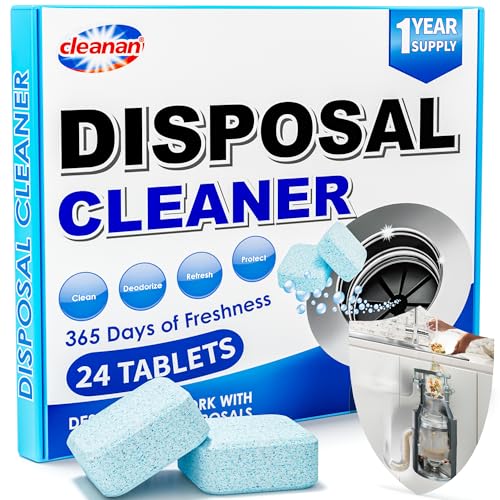
- garbage disposal maintenance kit
- drain auger snake for garbage disposal


Before You Start
Before beginning, turn off the disposal and unplug the under-sink power connection to prevent accidental activation. Clear the area under the sink and place a towel to catch any splashes. Use cold water throughout the process to help solidify fats and make debris easier to flush away. Never use hot water while the disposal is running, as it can liquefy fats that then wrap around the mechanism. The total time for a typical cleaning session is usually 15–30 minutes, depending on the level of buildup.
Step-By-Step: How To Clean A Garbage Disposal Drain
- Inspect the disposal and disconnect power. Ensure the unit is fully powered off and unattached to the electrical circuit.
- Rinse with cold water. Run a steady stream of cold water into the sink while the disposal remains off to remove loose debris.
- Grind ice and citrus peels. Add a handful of ice cubes and a few citrus peels (if available) and run the disposal on a short burst to dislodge buildup and freshen odors.
- Scrub the interior and splash guard. Use the garbage disposal cleaning brush to agitate the sides and under the splash guard to remove lodged particles.
- Clean the rim and inlet. Wipe around the flange and inlet to remove residue that can migrate into the drain.
- Address stubborn clogs with a drain auger snake. If you encounter resistance, gently insert a drain auger and twist to dislodge clog-causing material.
- Flush with running water. After removing debris, run cold water for 30–60 seconds to clear the line and verify smooth operation.
- deodorize and finish. If odors linger, rinse again and consider a maintenance kit for ongoing care of seals and bearings.
Troubleshooting
| Symptom | Likely Cause | Fix | Prevention |
|---|---|---|---|
| Disposal won’t grind | Jammed or blocked | Use a cleaning brush to loosen, then run water and ice; call a pro if it persists | Regular maintenance |
| Odor after cleaning | Residue in the trap or seals | Clean splash guard and inlet; run maintenance kit | Routine cleaning every 1–3 months |
| Slow draining | Partial clog in drain line | Use drain auger snake to clear | Avoid dumping fibrous waste |
| Gurgling sounds | Improper venting or partial blockage | Flush with water and check for leaks | Professional inspection if persists |
Common Mistakes
- Using chemical drain cleaners in or near the disposal, which can damage seals and pipes.
- Overloading the disposal with hard objects like bones or utensils.
- Running the disposal without water, which can overheat motors and wear bearings.
- Neglecting regular maintenance, leading to buildup and foul odors.
Sticking to mechanical cleaning steps and avoiding harsh chemicals helps preserve the unit and the plumbing beneath the sink.
Tips For Best Results
- Run cold water before, during, and after grinding to wash debris away efficiently.
- Use ice to scour the interior; it’s a safe, physical scrub that reduces buildup without harming components.
- Pair the cleaning brush with a maintenance kit periodically to keep seals and bearings in good shape.
- Establish a simple routine: quarterly deep clean plus monthly quick rinses if the sink sees heavy use.
Call A Professional
Seek professional help if you notice persistent clogs beyond a simple auger, frequent jams, or unusual noises after cleaning. Also contact a pro if the unit leaks at the seal under the sink, or if there is visible damage to wiring or mounting components.
FAQ
How often should I clean my garbage disposal?
Most households benefit from a thorough cleaning every 3–6 months, with monthly quick rinses during high-usage periods.
Can I use bleach or chemical cleaners in my disposal?
Avoid harsh chemical cleaners; they can damage seals and pipes. Use mechanical cleaning tools and safe odor-neutralizing options.
Why does my disposal smell even after cleaning?
Odors often come from trapped food near the splash guard or the trap. Clean these areas thoroughly and consider a maintenance kit for ongoing care.
Is it safe to put ice in the disposal?
Yes. Ice helps scrub the interior as it grinds, reducing buildup. Avoid large or hard items that could jam the unit.
What maintenance steps reduce future buildup?
Regular scrubs, running cold water, and occasional use of a maintenance kit help keep seals and bearings clean and functioning smoothly.
Buying Guide
When choosing products to support garbage disposal cleaning, consider factors such as compatibility with your unit, ease of use, and the specific tasks you want to prioritize.
Key Buying Factors
- <bSize and compatibility: Ensure the garbage disposal cleaning brush and maintenance kit fit your model and mounting style. Some brushes are designed for universal fit, while others target specific brands.
- <bMaintenance depth: A comprehensive garbage disposal maintenance kit should address seals, bearings, and impeller areas for longer-term upkeep.
- <bEase of use: Look for ergonomically designed brushes and clear instruction sets to simplify routine care.
- <bDurability: Tools with durable plastics or stainless steel construction resist corrosion in the damp under-sink environment.
- <bValue and warranty: Compare kit contents, pricing, and warranty terms to maximize long-term reliability.
Placement and setup matter as well. Keep cleaning tools under the sink near the disposal for quick access, and store maintenance kits where you can easily reach them during routine care.
Leave a Reply