How to Clean Dishwasher Pipes
Dishwashers rely on a clear drain system to function properly. Over time, buildup from food scraps, grease, and mineral deposits can cause slow draining or backups. This guide provides practical, step-by-step instructions to safely clean dishwasher pipes and restore optimal drainage using common tools.
Quick Answer
Overview: Start with a simple drain hose clean, then address the drain line with a flexible tool. If blockages persist, use a dedicated cleaning kit to dislodge debris and flush the system. Regular maintenance helps prevent future clogs.
What You’ll Need
- Dishwasher drain hose cleaning brush
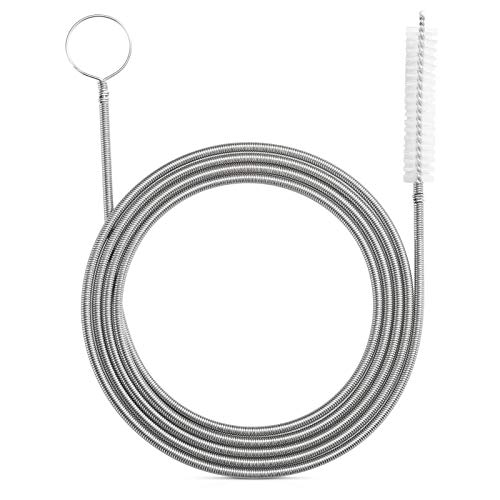
- Dishwasher drain line unclogger snake tool
- Dishwasher pipe cleaning kit
- Gloves and safety glasses
- Old towels or a shallow tray
- Bucket and flashlight


Before You Start
Before beginning, unplug the dishwasher or switch off the circuit at the breaker. Turn off the water supply and prepare a workspace that can catch spills. Have towels ready for any residual water. Safety caution: never force a tool through a blocked pipe; apply gentle pressure to avoid damaging hoses or seals. Estimate 30–60 minutes for the full process, depending on access to the drain area.
Step-By-Step: How To Clean Dishwasher Pipes
- Disconnect power and water connections; pull the unit out to access the drain area.
- Place towels under the kickplate and remove the kickplate panel to expose the dishwasher drain hose and trap.
- Detach the end of the drain hose from the sink or disposal if applicable, and inspect for visible debris.
- Insert the dishwasher drain hose cleaning brush into the hose and gently scrub the interior to remove buildup.
- Use a dishwasher drain line unclogger snake tool to clear any line clogs by feeding it slowly through the hose and elbow fittings.
- Thread the dishwasher pipe cleaning kit components as needed to reach the trap and pipe bore; dislodge blockages with careful twists.
- Rinse all parts with clean water, reassemble connections, and tighten fittings to prevent leaks.
- Reconnect the drain hose and power, then run a short hot-water cycle with the dishwasher empty to flush residual debris.
- Check for leaks around all joints after the test cycle; tighten if necessary and wipe away any moisture.
- If drainage remains slow, repeat cleaning steps or consider professional service to inspect the pump and venting.
- Document the routine and schedule periodic maintenance to prevent future clogs.
- Return the unit to its place, restore power, and run a full wash cycle to ensure normal operation.
Troubleshooting
| Symptom | Likely Cause | Fix | Prevention |
|---|---|---|---|
| Water drains slowly | Partial clog in drain hose or line | Use cleaning tools to clear; run hot water rinse | Monthly hose checks and quick clean after heavy use |
| Backs up into sink | Disposal connection obstruction or tee in drain | Disconnect and clean disposal inlet; inspect drain tee | Avoid dumping large scraps down the dishwasher |
| Gurgling sounds | Air vent or trap blockage | Clear trap area and vent path | Maintain vent cleanliness during cleanings |
| Leaks after cleaning | Loose hose clamps or fittings | Re-seat hoses and tighten clamps | Mark and check connections during routine maintenance |
Common Mistakes
- Using excessive force when feeding the snake tool, which can damage hoses.
- Forgetting to unplug the unit or shut off water before starting.
- Neglecting to remove standing water before using cleaning tools.
- Rushing reassembly without testing for leaks.
Tips For Best Results
- Perform routine cleanings every 3–6 months, or more often in households with frequent small food scraps.
- Always run hot water through the sink drain while using the dishwasher cleaning tools to help flush debris away.
- Keep a drain filter or mesh screen clean to reduce large particle entry into the drain hose.
- Label hydraulic joints and keep spare clamps handy for quick maintenance tasks.
Call A Professional
Consider professional help if the dishwasher still drains slowly after multiple cleanings, if there is persistent water backup into the sink, or if the unit exhibits unusual noises or leaks near the pump. Do not attempt to repair seals or internal components beyond basic hose and trap access.
FAQ
What is the first step to clean dishwasher pipes?
Unplug the appliance, shut off water, then access the drain hose and trap to inspect for visible blockages.
Can I use a regular bottle brush to clean the drain hose?
Yes, a small brush can help scrub the exterior, but use the dedicated cleaning tools for interior buildup.
How often should I clean dishwasher pipes?
Every 3–6 months is typical, or sooner if you notice slow drainage or odors.
Is it safe to use chemical drain cleaners in a dishwasher?
Commercial chemical cleaners are not recommended; they can damage seals and components. Use mechanical cleaning tools instead.
What can I do to prevent future clogs?
Scrape dishes before loading, use a mesh filter, and perform routine hose checks and flushes during maintenance.
Will cleaning affect the dishwasher’s warranty?
Following the manufacturer’s maintenance guidelines generally supports warranty terms; avoid disassembly beyond the provided instructions.
Buying Guide
When choosing tools to clean dishwasher pipes, consider size and accessibility of your unit’s drain area. Key factors include the length and flexibility of the drain line unclogger snake tool, compatibility with standard dishwasher hoses, and the completeness of a dishwasher pipe cleaning kit. Noise and energy use are not major concerns for cleaning tools, but reliability matters. Look for tools with durable materials, rust resistance, and secure grab handles for comfortable use. If space is tight under the sink, select compact designs. Finally, consider a kit that bundles a cleaning brush, snake tool, and spare replacement parts to cover most routine clogs.
Leave a Reply