How to Clean Dishcloths With Vinegar
Vinegar is a common household ally for housekeeping, including refreshing dishcloths. This guide explains a practical, chemical-light approach to sanitize and freshen fabric-based dishcloths using vinegar, along with simple steps to prevent odors and buildup.
Quick Answer
Rinse dishcloths, soak in a vinegar solution, launder as usual, and air dry. For stubborn smells, repeat with a longer soak and a hotter wash cycle if fabrics allow.
What You’ll Need
- White distilled vinegar
- Water
- Soap or mild detergent
- Drying space or a drying rack
- Optional: spray bottle for vinegar cleaning kitchen for quick freshening between washes
- Optional: microfiber cleaning cloths kitchen reusable for spot cleaning and drying racks
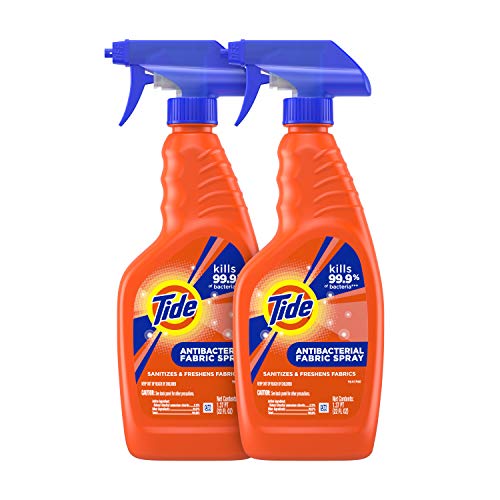
- Optional: laundry sanitizer spray for fabrics to boost hygiene on heavily used cloths


Before You Start
Ensure dishcloths have clear colors or are colorfast to avoid color transfer in vinegar solutions. Use hot water when the care labels permit, since hot water improves odor removal and sanitization. Do not mix vinegar with bleach or ammonia, as dangerous fumes can form. Prepare a dedicated container or sink for soaking, and set up a stable drying area to prevent mildew between washes.
Step-By-Step: How To Clean Dishcloths With Vinegar
- Sort dishcloths by color and fabric type. Separate delicate fabrics from sturdy cottons to prevent wear during washing.
- Rinse towels and rags under warm running water to remove visible food particles and debris.
- Prepare a soaking solution: mix 1 cup (240 ml) of white distilled vinegar per gallon (about 3.8 L) of hot water in a basin or tub.
- Submerge the dishcloths fully in the vinegar solution and let them soak for 30 to 60 minutes. For stubborn odors, extend to 2 hours.
- After soaking, launder the cloths in the hottest water recommended by the fabric care label, using your regular laundry detergent. Add an extra rinse cycle if your washer allows it.
- Check for lingering odors after washing. If needed, run another short vinegar rinse or add a splash of vinegar to the rinse cycle once more.
- Dry dishescloths completely in a well-ventilated area or a dryer on an appropriate setting. Avoid leaving damp cloths to sit, which can promote mildew.
- For quick refresh between full washes, spray a dilute vinegar solution onto damp cloths, then wring out and air dry. This helps prevent musty smells before the next laundry day.
- Store clean cloths in a dry, breathable container or basket. Periodically rotate stock to ensure older cloths are washed promptly.
- Maintain routine: establish a weekly refresh cycle to keep dishcloths clean and odor-free, especially in busy kitchens.
- If fabric shows wear, replace promptly to prevent harboring bacteria or food residues that become hard to remove.
- For households with sensitive skin or allergies, consider allergen-free detergents and a separate rinse for cloths used by individuals with sensitivities.
Troubleshooting
| Symptom | Likely Cause | Fix | Prevention |
|---|---|---|---|
| Persistent musty smell | Residual moisture or trapped mildew | Add an extra rinse or second vinegar soak | Dry promptly after use; hang cloths fully clear of moisture |
| Color fading or discoloration | Repeated use with vinegar on non-colorfast fabrics | Test a small area first; avoid vinegar on delicate fabrics | Follow care labels; use vinegar sparingly on delicate cloths |
| Softness loss | Overwashing or detergent residue | Use less detergent; run an extra rinse | Rotate cloths and use high-quality detergent |
| Streaks on dishes | Uneven drying or vinegar residue | Rinse twice during wash; ensure proper drying | Dry thoroughly; avoid over-saturating cloths in vinegar |
Common Mistakes
- Using hot vinegar directly on delicate fabrics that aren’t colorfast
- Mixing vinegar with bleach or ammonia
- Overpacking the washing machine, which prevents thorough rinsing
- Leaving cloths damp in closed containers, which invites mildew
To prevent these issues, always check care labels, measure vinegar accurately, and maintain proper airflow in storage areas.
Tips For Best Results
- Pour vinegar into the wash cycle rather than letting it sit in water for extended periods; this reduces fabric stress while still offering sanitizing benefits.
- Boost odor control by occasionally supplementing with a laundry sanitizer spray for fabrics in the rinse or post-wash stage.
- Reuse the vinegar solution for light cleaning tasks around the kitchen—no rust or corrosion on metal surfaces when properly diluted.
- Consider using microfiber cleaning cloths kitchen reusable to help pick up moisture and residues efficiently and with less linting.
- Replace dishcloths every few weeks in high-use kitchens to maintain hygiene standards and avoid bacterial buildup.
Call A Professional
Seek professional cleaning advice if dishcloths repeatedly smell despite multiple washes, or if you notice persistent staining that affects food safety. If there are signs of mold growth, or if sensitive individuals experience irritation from any cleaning method, consult a professional cleaner or healthcare provider for guidance.
FAQ
Is vinegar safe for all fabrics used in dishcloths?
Vinegar is generally safe for cottons and most colorfast fabrics, but test a small area on delicate fabrics first to avoid color fading or damage.
Can vinegar replace detergent when washing dishcloths?
Vinegar helps sanitize and deodorize, but it should not fully replace detergent in a regular wash, especially for soiled fabrics. Use both as part of a normal wash cycle.
How often should dishcloths be washed with vinegar?
For busy kitchens, consider a weekly vinegar soak or regular hot-water wash with detergent to maintain hygiene.
What if I don’t have a washing machine?
Soak cloths in a warm vinegar solution for 30–60 minutes, then rinse thoroughly and air-dry in a sunny or well-ventilated area.
Is there a safe alternative to vinegar for sanitizing cloths?
Yes, alternatives include baking soda or specialized laundry sanitizers; always follow product instructions and fabric care labels.
How can I speed up drying time?
Wring out cloths well, use a high-velocity spin in the washer if available, and air-dry outdoors or on a rack in a warm, dry room.
Buying Guide
When choosing tools and products for cleaning dishcloths with vinegar, consider size, noise level, energy efficiency, controls, and placement. For example, a compact laundry setup or a labeled vinegar spray bottle can improve routine efficiency. Ask yourself: Do I need a ready-to-use spray for quick freshening, or is a larger soaking approach better for heavy-use kitchens?
Key buying factors include:
- Size and capacity: A sink or tub for soaking should accommodate the largest cloths you own.
- Dispensing method: A dedicated spray bottle for vinegar cleaning kitchen offers fast spot cleaning, while larger containers suit soaking needs.
- Fabric care compatibility: Ensure fabrics like microfiber cleaning cloths kitchen reusable are compatible with vinegar and hot-water washes.
- Hygiene support: A laundry sanitizer spray for fabrics can enhance sanitation on heavily used textiles.
- Storage and placement: Choose breathable containers or bins that allow complete drying to prevent mildew.
By considering these factors, households can tailor a vinegar-based cleaning routine that fits their kitchen size, frequency of use, and fabric types, while maintaining hygienic, fresh dishcloths.
Leave a Reply