How to Clean a Discolored Phone Case Safely
Phone cases endure daily wear, staining, and exposure to oils from hands. With the right approach, a discolored case can look near-new without harsh scrubbing or damaging the surface. This guide outlines practical steps using common tools and a few specialty items to refresh plastic, silicone, or TPU cases. The process avoids strong solvents and emphasizes gentle care to preserve texture and color.
Whether you’re preparing for resale, replacing a case design you love, or simply wishing to extend its life, the following method provides a reliable, safe path to a brighter phone case.
Quick Answer
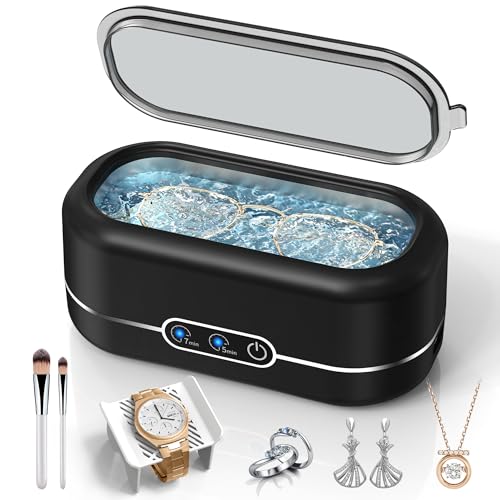
Best method: Soak or wipe with a mild cleaning solution, then scrub lightly with a soft brush. Finish with a microfiber cloth to remove any residue and dry thoroughly. For stubborn stains, an ultrasonic cleaner for phone case can help loosen embedded grime without abrasion.
What You’ll Need
- Soft microfiber cloth for cleaning phone case
- Ultrasonic cleaner for phone case
- Phone case cleaning brush set
- Mild dish soap or gentle household cleaner
- Warm water
- Optional white vinegar or baking soda for tough stains
- Waterproof gloves (optional for sensitive skin)


Before You Start
Begin with a quick visual check of the case’s material. Most plastic, TPU, and silicone cases tolerate light cleaning, but embossed logos or painted finishes may wear with aggressive scrubbing. Always unplug devices and remove the case before cleaning. Work in a well-ventilated area, and avoid chlorine bleach on colored cases, which can cause fading. If you have a glossy finish or a textured surface, test a small inconspicuous area first to ensure color fastness. A typical cleaning session takes about 10–20 minutes, depending on stain severity. Never submerge electronic devices in any cleaning solution.
Step-By-Step: How To Clean A Discolored Phone Case
- Remove the case from the phone and wipe off loose debris with a dry microfiber cloth.
- Prepare a cleaning solution: a few drops of mild dish soap in warm water works well for most cases.
- Soak the case briefly if it’s silicone or has stubborn grime. For plastic and TPU, you can rinse after a short soak but avoid prolonged soaking that could warp thin edges.
- Dip the phone case cleaning brush set into the solution and gently scrub the exterior and interior surfaces. Focus on corners, seams, and inside ridges where dirt accumulates.
- For tough, yellowed areas, apply a tiny amount of white vinegar or a paste of baking soda and water, then scrub gently and rinse thoroughly.
- Use the soft microfiber cloth for cleaning phone case to wipe away loosened residue and polish the surface dry. Do not leave moisture in crevices.
- If the case is highly discolored, consider an ultrasonic cleaner for phone case following the device’s instructions. Place the case in a mesh bag or cage to prevent any snapping or rattling parts from moving inside the chamber.
- Rinse the case under clean running water to remove any remaining soap or cleaning agents. Shake off excess water and pat dry with a microfiber cloth.
- Allow the case to air-dry completely for at least 30 minutes before reattaching it to the phone. Avoid direct sunlight or heat sources that could deform the material.
- Inspect for any remaining stains. If necessary, repeat the gentle scrub-and-dry cycle, ensuring all residues are removed before use.
- Reinstall the case on the phone and confirm it fits snugly and without pinching edges.
Troubleshooting
| Symptom | Likely Cause | Fix | Prevention |
|---|---|---|---|
| Stubborn yellowing on silicone | Oxidation or body oils buildup | Use mild vinegar treatment and gentle scrubbing; repeat if needed | Clean regularly, avoid prolonged exposure to sunlight |
| Scratches appearing after cleaning | Excessive scrubbing or abrasive particles | Switch to a soft brush and microfiber cloth; avoid rough brushes | Rinse well, dry thoroughly, handle with care |
| Color fading on painted cases | Harsh cleaners or solvents | Use only mild soap and water; test first | Limit contact with cleaners; store away from heat |
| Water spots after rinse | Hard water minerals | Wipe with a dry microfiber cloth and air dry | Rinse with distilled water if possible |
Common Mistakes
- Using bleach or strong solvents on colored or translucent cases
- Submerging devices in cleaning solutions
- Overly aggressive scrubbing that wears away finishes
- Skipping drying and storing moisture in seams
Tips For Best Results
- Test any cleaning method on a small area before full application.
- Work in a shaded area to reduce water spots and heat exposure.
- For textured cases, use a brush with soft bristles to reach crevices without scratching.
- Regular cleaning reduces the buildup of oils and dyes, keeping colors brighter longer.
- Store spare cases in a cool, dry place to prevent discoloration before use.
Call A Professional
Heavy staining that won’t respond to gentle cleaning may indicate material degradation or dye migration. If you notice peeling, cracking, or persistent color bleed into the case, or if the case is part of a warranty claim, consult the manufacturer or a professional repair service. Also seek professional assistance if the case contains built-in electronics, has compromised structural integrity, or is causing fit issues with the phone.
FAQ
Can I use vinegar on all phone case materials?
Vinegar works well on many plastics and silicone, but it may affect some coatings. Test a small area first.
Is an ultrasonic cleaner safe for all cases?
Ultrasonic cleaning is typically safe for rigid plastic, TPU, and silicone cases; avoid delicate finishes and avoid submerging any integrated features.
How often should I clean my phone case?
Every few weeks or when visible grime, oils, or discoloration appears.
What should I do if colors fade after cleaning?
Discontinue aggressive cleaning and consider replacing the case to preserve the phone’s look.
Buying Guide
The right discolored phone case cleaner setup depends on case material, cleaning frequency, and the level of discoloration. When selecting tools, consider size, compatibility, and ease of use. A practical kit includes a soft microfiber cloth for cleaning phone case, a versatile phone case cleaning brush set for crevices, and a gentle option like an ultrasonic cleaner for phone case for deeply embedded grime. Look for components that are non-abrasive and designed for plastics and TPU.
Key buying factors include:
- Size and fit for the most common case shapes (slim, rugged, and hybrid designs).
- Noise level and energy efficiency if using an ultrasonic cleaner; consider refurbished or compact models for home use.
- Controls and ease of operation; automatic timers and preset cleaning cycles can simplify the process.
- Placement: choose a stable, ventilated workspace away from electronics and heat sources.
For best results, compare how each tool handles corner seams and textured surfaces. If you frequently deal with stained cases, consider investing in a high-quality brush set with varied bristle stiffness to maintain surface integrity while cleaning.
Leave a Reply