How to Clean a Diamond Necklace
Diamond necklaces add timeless sparkle to any outfit, but keeping them clean requires careful steps to protect the setting and stones. This guide walks American readers through a practical, step-by-step process using common jewelry cleaning tools and safe techniques.
Quick Answer
For most diamond necklaces, use a gentle cleaning routine involving warm soapy water, a soft brush, and a microfiber cloth. Avoid harsh chemicals and abrasive pads. If the piece has delicate settings or traces of adhesive, seek professional cleaning.
What You’ll Need
Having the right tools makes cleaning easier and safer.
- Ultrasonic jewelry cleaner diamonds 40kHz 2oz cleaning solution
- Diamond jewelry cleaning kit with brush microfiber cloth liquid cleaner
- Jewelry polishing cloth and cleaning solution for diamonds necklace
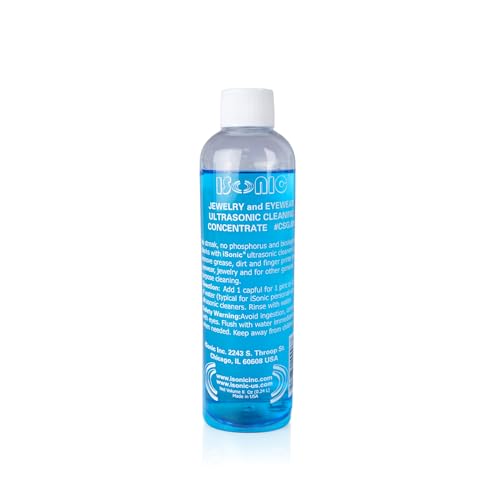 |
iSonic CSGJ01-8OZx1 Ultrasonic Jewelry/Eye Wear Cleaning Solution Concentrate,Blue | |
 |
CONNOISSEURS All-Purpose Jewelry Cleaning Kit – Includes Delicate Jewelry Cleaner Solution and 2 Polishing Cloths |
Before You Start
Prepare a clean workspace and inspect the necklace for loose stones or damaged clasps before cleaning. Use warm water mixed with a small drop of mild dish soap. Do not use hot water, bleach, or ammonia, which can dull metal or harm inscriptions. If the necklace has a fragile chain or intricate setting, test a small area first and consider professional cleaning for any suspicious signs of wear. Estimated time for a safe clean is about 15 to 30 minutes.
Step-By-Step: How To Clean Diamond Necklace
- Fill a small bowl with warm water and add a drop of mild dish soap to create a gentle cleaning solution.
- Place the necklace in the solution, ensuring the entire piece is submerged if possible.
- Let it soak for about 5 to 10 minutes to loosen oils and grime.
- Use a soft-bristled toothbrush or the brush from a diamond jewelry cleaning kit to gently scrub around the prongs and along the chain.
- Rinse thoroughly under lukewarm running water to remove any soap residue.
- Pat dry with a clean microfiber cloth and then inspect for any remaining spots or loose settings.
- For a deeper clean, repeat the soak and gentle brushing, avoiding aggressive scrubbing on delicate areas.
- Finish with a jewelry polishing cloth to restore shine on the metal and facets of the diamonds.
- Optional: If using an ultrasonic cleaner, follow manufacturer instructions, using the specified cleaning solution and setting discretion for delicate pieces.
- Store the cleaned necklace flat or hanging, away from direct sunlight and extreme heat.
- Reinspect after wear and plan periodic cleanings based on exposure to lotions, perfumes, or sweat.
Troubleshooting
| Symptom | Likely Cause | Fix | Prevention |
|---|---|---|---|
| Diamonds look dull after cleaning | Soap residue or water spots | Re-rinse and dry with microfiber cloth | Rinse thoroughly; dry completely |
| Prongs feel loose | Wear or impact over time | Stop wearing and consult a jeweler | Regular inspections |
| Metal tarnish around clasp | Exposure to harsh cleaners | Use only mild soap and water | Avoid harsh chemicals |
| Damage after ultrasonic cleaning | Delicate stones or settings | Discontinue use and seek professional cleaning | Follow manufacturer guidelines |
Common Mistakes
- Using toothpaste or abrasive cleaners that scratch metal and stones
- Soaking for too long or using hot water on sensitive settings
- Neglecting to rinse soap completely, leaving a film
- Overestimating the durability of delicate diamond settings
Tips For Best Results
- Clean diamond necklaces on a flat, stable surface to prevent loss during rinsing
- Do a quick visual check for loose stones before and after cleaning
- Store jewelry separately to avoid tangling and scratches
- Use a dedicated microfiber cloth for polishing to avoid lint transfer
Call A Professional
Seek professional help if you notice any of the following: persistent loose stones, damaged clasps, visible cracks in the metal, or if the necklace has an antique or heirloom value where risk of damage is higher.
FAQ
Can I clean my diamond necklace with a household cleaner?
Avoid harsh household cleaners like bleach or ammonia. Use mild soap and water or a kit designed for diamonds.
Is an ultrasonic cleaner safe for all diamond necklaces?
Not always. Ultrasonic cleaners can loosen settings on delicate pieces; test and follow guidance or consult a professional.
How often should I clean a diamond necklace?
Clean it every few weeks if worn daily; more often if exposed to sweat, lotions, or perfumes.
What should I do if a stone looks cloudy after cleaning?
Ensure all soap is rinsed off; re-clean with a soft brush, and dry thoroughly. If cloudy persists, seek professional inspection.
Buying Guide
When choosing cleaning supplies or services for a diamond necklace, consider key factors such as the necklace’s metal type, setting style, and stone size. Think about how often you wear the piece and the level of exposure to moisture, lotions, and cosmetics. Below are practical buying considerations to help you select suitable options.
Size and type of necklace setting
Heavier or intricate settings may require gentler cleaning and professional checks more often. For simple chains, consumer cleaning kits are typically sufficient.
Noise level and energy use (if using an ultrasonic cleaner)
Ultrasonic cleaners operate at varying frequencies and power levels. A 40kHz setting is common for fine jewelry; higher intensity may affect delicate settings. Look for energy-efficient models and follow manufacturer directions.
Energy efficiency and sustainability
Choose compact devices and refillable cleaning solutions to minimize waste. Read product labels for environmentally friendly formulations.
Controls and ease of use
Simple timers, clear indicators, and safety features help prevent overexposure or mishandling of jewelry during cleaning.
Placement and storage
Clean and store pieces in a soft-lined box or dedicated pouch away from heat and sunlight to preserve metal and stones over time.
Brand and kit completeness
Look for kits that include a soft brush, microfiber cloth, and a gentle cleaning solution. A kit tailored for diamonds and fine jewelry reduces the risk of using inappropriate products.
Warranty and safety notes
Check for warranties on cleaners and read safety warnings to avoid accidental damage to precious pieces.
Leave a Reply