How to Clean Designer Shoes
Designer shoes add a polished finish to any outfit, but keeping them looking pristine requires a careful cleaning routine. This guide walks through practical steps to clean leather, suede, and fabric designer footwear while preserving materials and finish.
Whether you own luxury sneakers, dress shoes, or statement heels, following a structured process helps prevent damage and extends wear. Below are actionable steps, tools, and tips tailored for American households and common designer materials.
Quick Answer
Start with a gentle, material specific cleaner, then treat leather with conditioner, and finish with a protective spray. For suede or nubuck, use a dedicated cleaner spray and brush to lift dirt without staining. Regular maintenance with a microfiber towel and soft brush keeps shoes looking fresh between deep cleanings.
What You’ll Need
- Designer shoe cleaner kit
- Leather conditioner
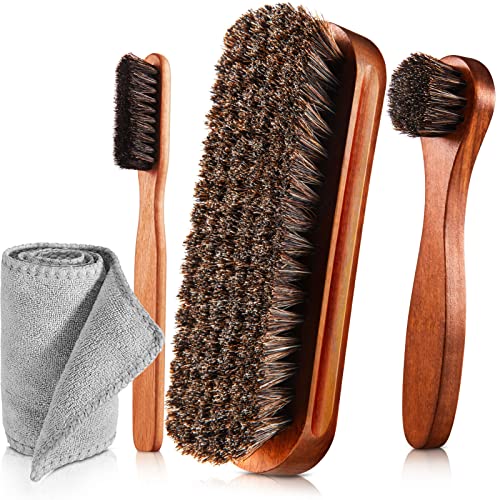
- Brush
- Microfiber towel
- Suede nubuck cleaner spray for designer shoes with brush
- Luxury sneaker cleaning kit
- Leather
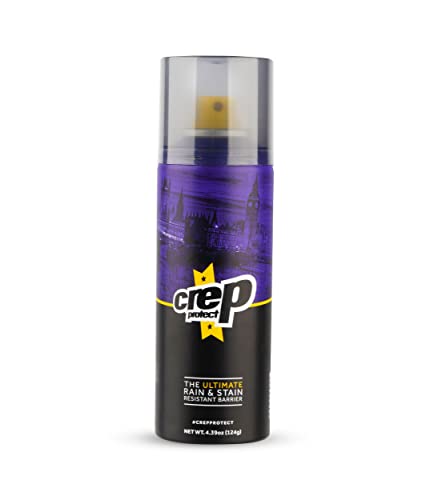
- Fabric protector spray

Before You Start
Check care labels and test cleaners on a hidden area first. Work in a well lit, ventilated space and place shoes on a protective mat. For fabric or leather, avoid soaking and use minimal moisture. Protect delicate trims, logos, and color from bleed or staining. Allow ample drying time away from direct heat sources to prevent cracking or warping. Time estimate: 20–60 minutes per routine, depending on shoe material and soiling level.
Step-By-Step: How To Clean Designer Shoes
- Remove laces and loose debris with a soft brush or cloth.
- Test a small area of the shoe with cleaner to verify colorfastness.
- Apply a light coat of cleaner appropriate for the material, working in circular motions.
- Gently wipe away dirt with a microfiber towel, repeating as needed for stubborn stains.
- For leather, apply a small amount of conditioner and buff with a clean cloth once dry.
- For suede or nubuck, use the dedicated spray and brush to restore nap after cleaning.
- Reassemble shoes with fresh laces and allow to air dry completely.
- Protect surfaces with a fabric or leather protector spray to deter future stains.
Troubleshooting
| Symptom | Likely Cause | Fix | Prevention |
|---|---|---|---|
| Streaks after cleaning | Excess cleaner or uneven drying | Wipe with a clean damp cloth from edge to center, dry with microfiber | Use minimal cleaner and dry areas evenly |
| Color transfer to towel | Raw dye or over-wetting | Use less moisture and test on hidden area | Limit water contact on dyed surfaces |
| Leather feels stiff after drying | Insufficient conditioning | Apply small amount of leather conditioner and rub in | Condition after cleaning and before storage |
| Nap distortion on suede | Over-wetting or harsh brushing | Use suede brush lightly, allow to dry | Avoid soaking suede |
| Water spots on fabric | Direct water contact | Use a spray protector after cleaning | Protect fabric with spray before wear |
Common Mistakes
- Using harsh cleaners on leather or suede
- Soaking shoes in water or cleaner
- Skipping a test patch on color treated areas
- Neglecting to dry thoroughly, causing odor or mildew
- Ignoring laces and insoles, which can harbor dirt
Tips For Best Results
- Clean shoes promptly after they get dirty to prevent stains from setting
- Use a dedicated brush for suede to preserve nap and color
- Condition leather after cleaning to maintain flexibility and shine
- Store shoes with silica packets or deodorizing inserts to reduce moisture
- Regularly wipe with a microfiber towel between deep cleanings to reduce buildup
Call A Professional
Stop and seek professional help if you notice persistent stains, leather cracking, sole separation, or color bleeding that worsens after home cleaning. Consider a professional restorer for luxury pieces with hand finishes or delicate stitching patterns that may require specialized care.
FAQ
Can I use household cleaners on designer shoes
Household cleaners may be too harsh; use cleaners formulated for leather, suede, or fabric to protect finishes.
Is it safe to use water on suede
Water can stain or warp suede; use a suede specific cleaner spray and brush sparingly.
How often should I clean designer shoes
Light maintenance after each wear and a deeper clean every few weeks or as needed based on soil exposure.
What is the best way to protect leather shoes
Apply a leather protector spray after cleaning to guard against moisture and stains.
How do I deodorize designer shoes
Clean, air dry, then use moisture absorbers or deodorizing inserts between wears.
Buying Guide
When choosing products to clean designer shoes, consider material type, compatibility, and safety. A multi-part kit that includes a leather conditioner, suede nubuck cleaner spray, and a general cleaner provides a versatile solution. Look for customer-friendly instructions and clear patch test guidance. For leather shoes, prioritize conditioner and a protective spray; for suede and nubuck, prioritize a gentle cleaner and a cleaning brush. The right tools help maintain color, texture, and overall shape.
Factors To Consider For Buying
- Size and fit of cleaners to handle various shoe dimensions and materials
- Noise level and ease of use for home cleaning sessions
- Energy efficiency in any powered cleaning tools
- Controls on sprays and conditioners for precise application
- Placement in storage or laundry area for easy access and drying
Choosing a comprehensive designer shoe care kit can simplify routine maintenance and extend the life of leather and suede footwear. Consider your typical materials, preferred application method, and how often you clean to select the best combination of cleaners, conditioners, and protectants for your collection.
Leave a Reply