How to Clean a DeLonghi Espresso Machine
Maintaining a DeLonghi espresso machine helps preserve flavor, extend life, and prevent buildup that can affect performance. Regular cleaning removes mineral deposits, oils, and coffee residue that accumulate during daily use. The following guide provides clear, practical steps for American users to keep their machine in top condition.
Quick Answer
Clean the machine weekly or after every few uses using descaler to remove mineral buildup and cleaning tablets or brushes to disinfect portafilter and group head. Rinse thoroughly between steps to prevent residue and ensure optimal espresso taste.
What You’ll Need
- Urnex Dezcal espresso machine descaler 6 oz
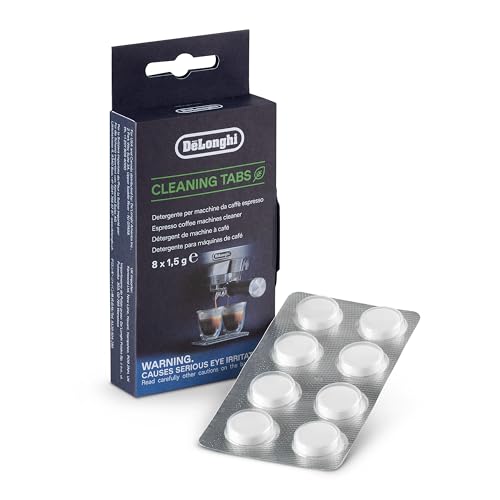
- De’Longhi espresso machine cleaning tablets
- Espresso machine cleaning brush kit portafilter group head


Before You Start
Prepare a clean workspace and have a towel ready to catch spills. Empty the water reservoir and run water through the machine to remove loose debris. Use cold, fresh water for initial rinses. If the machine has a descaling mode, consult the manual before use. Descaling frequency depends on water hardness and usage, but a typical schedule is every 1–3 months. Never mix cleaning solutions with milk steaming functions to avoid foaming or damage.
Step-By-Step: How To Clean A DeLonghi Espresso Machine
- Turn off and unplug the machine. Remove the water reservoir, rinse it, and fill with fresh, clean water.
- Rinse the group head by running hot water through the machine with the portafilter removed to flush loose coffee oils.
- Prepare the cleaning solution. If using Descale, follow the package directions for dilution; for tablets, place one tablet in the water reservoir per the manual.
- Run the descaling or cleaning solution through the machine according to the manufacturer’s cycle. Pause as needed to allow the solution to circulate and dissolve mineral buildup.
- When the cycle finishes, rinse the reservoir and fill with clean water. Run several full cycles of clean water to flush any remaining cleaner from the system.
- Clean the portafilter, baskets, and group head with the espresso machine cleaning brush kit. Scrub any residual oils and coffee grounds, then rinse thoroughly.
- Reassemble the group head and portafilter. Run a few cycles of just water to ensure all residues are cleared from the group head and filters.
- Inspect seals, gaskets, and shower screens for wear. Replace worn parts as needed to prevent leaks and maintain pressure consistency.
- If using cleaning tablets, repeat only as recommended by the product instructions. Avoid overuse which can leave taste residues.
- Wipe the exterior with a damp cloth. Dry the surface to keep it looking new and prevent streaks on metal or plastic finishes.
Troubleshooting
| Symptom | Likely Cause | Fix | Prevention |
|---|---|---|---|
| Espresso tastes weak or sour after cleaning | Insufficient rinsing; residue left in system | Run extra clean-water cycles until flavor returns to normal | Thoroughly rinse after every cleaning cycle |
| Leaking from the portafilter | Gasket wear or improper seating | Check gasket, reseat portafilter, replace gasket if needed | Regularly inspect seals during maintenance |
| Clogged group head after cleaning | Mineral deposits or coffee oils | Backflush with cleaning tablets as directed; use descaler according to schedule | Adhere to recommended cleaning intervals |
| Dry steam or insufficient steam pressure | Blockage in steam wand or lines | Flush the steam wand with hot water; clean the wand tip | Monthly wand cleaning as part of routine |
Common Mistakes
- Using household vinegar as a descaler, which can corrode parts
- Not fully rinsing after cleaning, leaving a chemical taste
- Neglecting to clean the portafilter and basket, causing buildup that affects extraction
- Over-descalching or overusing cleaning tablets, which can damage seals
Tips For Best Results
- Schedule cleaning at a consistent interval aligned with water hardness and usage.
- Keep a dedicated brush kit handy for quick spot-cleaning of the group head and baskets.
- Use filtered or bottled water if your area has hard water to reduce mineral buildup.
- Label cleaning days on a calendar to maintain a steady maintenance routine.
Call A Professional
Seek professional help if: the machine leaks from the base or around seams, the pressure gauge reads abnormally high or low during operation, or there are persistent odors or off-tastes after thorough cleaning. If a warranty is active, contact the manufacturer or an authorized service provider before attempting significant disassembly.
FAQ
How often should I descale my DeLonghi espresso machine?
Descale frequency depends on water hardness and usage; many homes descale every 1–3 months. If the water is hard or you see mineral buildup, descend more often.
Can I use regular cleaning tablets for other brands on a DeLonghi machine?
Use only products recommended for espresso machines, and specifically those compatible with DeLonghi models to avoid damage.
Is it safe to use vinegar to descale a DeLonghi machine?
Vinegar is not recommended for most DeLonghi models as it can corrode internal components; use a purpose-made descaler.
What should I do if the machine smells after cleaning?
Rinse thoroughly with multiple cycles of clean water and run a short brew with only water to flush lingering odors.
Can I clean the steam wand the same day as the group head?
Yes, but ensure both are cooled and follow the cleaning steps for each component to prevent burns or damage.
Should I backflush if my machine doesn’t have a dedicated backflush feature?
Backflushing is specific to certain models; consult the manual. If not supported, focus on external cleaning of the group head and baskets.
Buying Guide
When selecting accessories and cleaners for a DeLonghi espresso machine, consider several buying factors to ensure compatibility and effectiveness.
- <bSize and compatibility: Ensure descalers and cleaners are designed for espresso machines and compatible with your DeLonghi model.
- <bNoise level: Some cleaning cycles can be noisy; check product specs if quiet operation matters in your kitchen or apartment.
- <bEnergy efficiency: Cleaning products don’t consume energy, but running clean-water cycles consumes a moment of electricity and water usage; consider products that minimize waste.
- <bControls: If accessories include cleaning tablets or descalers, verify they’re easy to measure and dissolve in your machine’s reservoir.
- <bPlacement: Store cleaning kits in a dry, easily accessible area near the machine to encourage routine maintenance.
- <bMaintenance frequency: Choose products that align with your cleaning schedule and water hardness for fewer sessions and better long-term results.
Are you ready to keep your DeLonghi espresso machine performing at its best? With the right descaler, cleaning tablets, and a sturdy brush kit, maintenance becomes a simple, regular habit that preserves flavor and extends the life of your equipment.
Leave a Reply