How to Clean Deck Railings: A Practical Guide
Keeping deck railings clean extends their life and preserves curb appeal. This guide walks American homeowners through a safe, effective process to remove dirt, mold, and algae from wood, vinyl, and aluminum railings using common tools and a step-by-step method.
Whether you’re preparing for seasonal maintenance or refreshing a weathered railing, the right approach prevents damage and makes outdoor spaces inviting again.
Quick Answer
Start with a stiff nylon brush to loosen dirt, then use a deck cleaning brush with an extension pole for hard-to-reach areas. For stubborn grime, pair a pressure washer wand nozzle kit with a gentle setting. Always test a small area first and finish with a rinse and dry.
What You’ll Need
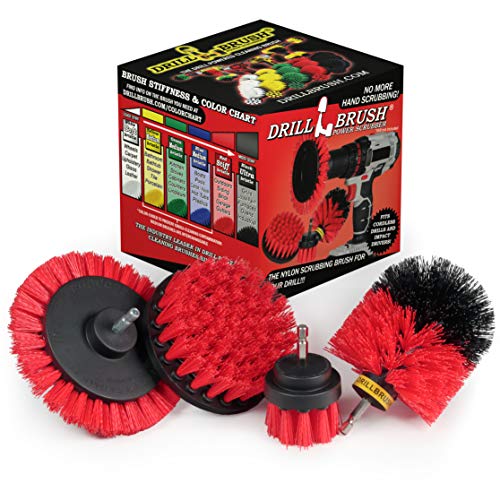
- Deck railing scrub brush stiff nylon for wood vinyl aluminum — a versatile stiff-bristled brush suitable for multiple railing materials
- Deck cleaning brush with extension pole railing cleaning tool — extends reach to tops and crevices without a ladder
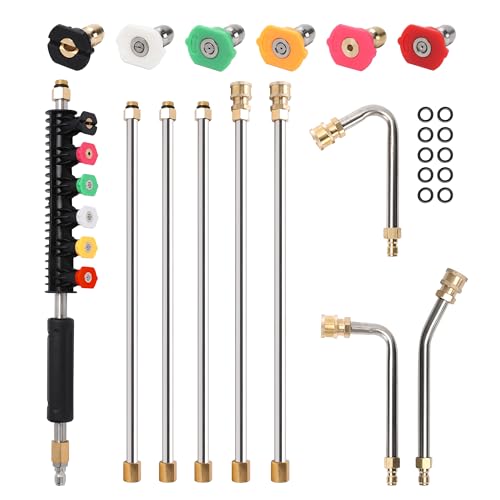
- Pressure washer wand nozzle kit for cleaning deck railings — helps remove buildup on large or textured surfaces

Before You Start
Prepare the area by removing outdoor furniture and plants. Protect nearby plants with a mist of water or plastic sheeting. Test cleaning products on a small, inconspicuous area to ensure no color fading or surface damage occurs. Schedule work during mild weather to prevent quick drying that can leave streaks. Wear eye protection and gloves to guard against splashes and debris. Expect a cleaning session to take 1–3 hours depending on railing length and material.
Step-By-Step: How To Clean Deck Railings
- Inspect the railing for loose parts, peeling paint, or damaged components. Address issues before cleaning to prevent further damage.
- Dry-brush loose debris from the entire railing using a deck railing scrub brush stiff nylon for wood vinyl aluminum to avoid scratching.
- Mix a mild cleaning solution appropriate for the railing material (consult manufacturer guidelines). Avoid harsh chemicals that can corrode metal or damage finishes.
- Apply the solution with a deck cleaning brush with extension pole railing cleaning tool to reach high or narrow sections without a ladder.
- Let the solution sit briefly, then scrub in circular motions, working from top to bottom to prevent dirty rinse water from running onto cleaned areas.
- Rinse thoroughly using a gentle stream from a pressure washer wand nozzle kit for cleaning deck railings or a garden hose. Avoid high pressure directly on joints where water could penetrate.
- Pay attention to corners, posts, and fasteners. Reapply cleaning solution if stubborn grime persists, then perform a final rinse.
- Dry the railing completely with a towel or allow it to air-dry in sunny conditions. Inspect for any remaining spots and repeat if needed.
- Reassemble any removed hardware and replace weathered sealants or caulking to maintain structural integrity.
- Document any issues such as peeling paint or rust so you can plan repairs or upgrades later.
- Store brushes and equipment properly after use and clean the nozzle to prevent clogs.
Troubleshooting
| Symptom | Likely Cause | Fix | Prevention |
|---|---|---|---|
| Streaks after rinse | Improper rinsing or uneven chemical application | Rinse evenly, use lower pressure, and reapply solution to problem areas | Test area first and follow a top-to-bottom pattern |
| Brushing leaves scratches on vinyl | Using a too-stiff brush | Switch to a softer brush or limit aggressive scrubbing on vinyl | Always use material-appropriate tools |
| Paint or finish peeling after cleaning | Over-wetting or harsh cleaners | Use milder cleaners and dry thoroughly before applying finishes | Follow product labels and avoid solvent-heavy substances |
| Water penetrates beneath rails | Damaged seals or joints | Repair seals or consult a pro for structural checks | Regular inspection and maintenance |
Common Mistakes
- Using excessively high pressure on wood or vinyl rails, which can cause damage
- Cleaning in direct sunlight on hot surfaces, which can dry cleaners too quickly and leave streaks
- Neglecting the tops and undersides of rails where grime collects
- Skipping a test patch before applying cleaners or solvents
Tips For Best Results
- Work in sections to maintain consistent cleaning quality and minimize missed spots
- Use warm water when possible, as it helps dissolve oils and dirt more effectively
- Opt for a nozzle with a wider spray pattern for deck railings to reduce surface impact
- Schedule follow-up maintenance every season or after heavy weather to preserve appearance
Call A Professional
Consider a professional if you notice structural issues, loose posts, extensive rot, corrosion, or if railings involve complex coatings. Seek help if you lack safe access to high sections or if weatherproofing products require specialized application. Stop cleaning and contact a pro when you observe significant damage, persistent moisture intrusion, or loud creaks during cleaning.
FAQ
What is the best brush for cleaning deck railings?
A stiff nylon brush suited for wood, vinyl, and aluminum railings provides effective scrubbing without scratching surfaces.
Can I use a power washer on all railing types?
Yes, but use a low pressure setting and keep the nozzle at a safe distance to avoid damage, especially on wood and vinyl.
Should I use chemicals to clean deck railings?
Only use cleaners recommended for your railing material and follow label instructions to protect finishes and the surrounding environment.
How often should deck railings be cleaned?
Clean at least twice a year, with additional cleanings after heavy rain, mold growth, or seasonal changes.
Do I need to seal or repaint after cleaning?
Cleaning can reveal worn finishes; reseal or repaint as needed after the railing dries completely.
Buying Guide
Choosing the right tools for cleaning deck railings depends on material, size, and maintenance goals. Consider these factors to ensure effective results without damage.
- <bSize and reach: A deck cleaning brush with an extension pole helps access high or distant sections without ladders.
- <bNoise and power: If using a pressure washer, choose models with adjustable PSI and a quiet operation feature for neighborhood use.
- <bEnergy efficiency: Manual or low-power cleaning tools reduce energy use while delivering solid results.
- <bControls: Simple trigger controls on a wand nozzle provide better control and reduce user fatigue.
- <bPlacement: Ensure storage space is dry and sheltered; keep brushes clean and dry after use to extend tool life.
When comparing kits, look for compatibility with your railing material—wood, vinyl, or aluminum—and assess how the included brushes and nozzles pair with existing equipment. Do you need a single-brush solution or a versatile kit with extension capabilities? Balancing cost, durability, and ease of use will yield the best long-term results.
Leave a Reply