How to Clean a Cutting Board After Raw Chicken
Keeping a cutting board clean after handling raw chicken is essential to prevent cross-contamination and protect family health. This guide provides practical, step-by-step methods and safe tools commonly available in American kitchens. It covers quick sanitizing options, proper cleaning routines, and how to maintain hygiene for future use.
Quick Answer
Rinse the board with hot water, scrub with soap, then sanitize using a food-grade option. Dry thoroughly before use again. For convenience, use a dedicated UV-C sanitizer box for cutting boards or a spray-based sanitizer for quick turnaround.
What You’ll Need
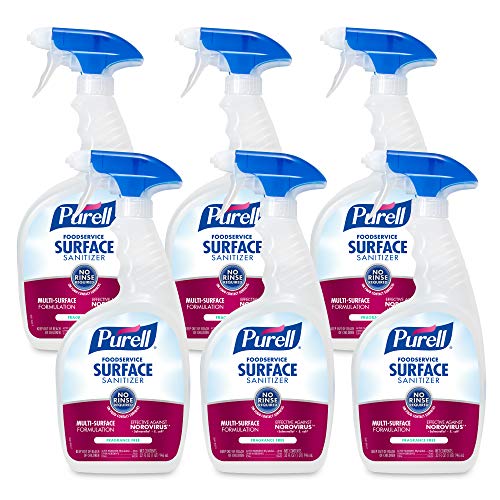
- Food-grade cutting board sanitizer spray 16oz
- Cutting board cleaning brush with scraper nylon bristles
- UV-C sanitizer box for cutting boards


Before You Start
Identify the board material (wood or plastic) and follow care guidelines. Never place wooden boards in a dishwasher unless manufacturer guidance allows. Work in a well-ventilated area and wash hands before and after cleaning raw poultry residues. Plan a 10–20 minute cleaning window after each use to prevent bacterial growth.
Step-By-Step: How To Clean After Raw Chicken
- Rinse the board under warm running water to remove visible particles.
- Apply a small amount of dish soap and scrub with the cutting board cleaning brush with scraper nylon bristles, paying attention to grooves.
- Rinse again to remove soap completely. If the board is wooden, avoid soaking for long periods.
- Apply a food-grade cutting board sanitizer spray 16oz evenly across the surface and let it sit for the recommended contact time on the label.
- Rinse once more if the sanitizer requires rinsing; otherwise dry with a clean towel.
- For an extra measure, place the board in a UV-C sanitizer box for cutting boards for the advised cycle duration to reduce remaining microbes.
- Air-dry standing on edge to improve air flow and reduce moisture pockets.
- Return the board to a clean, designated area away from ready-to-eat foods.
- After drying, inspect for deep cuts or cracks where bacteria may harbor; consider rotating boards to limit cross-contact.
- Repeat routine after every raw poultry use, or switch to a separate board for meat and produce.
Troubleshooting
| Symptom | Likely Cause | Fix | Prevention |
|---|---|---|---|
| Residual odor | Insufficient rinsing or soap residue | Rinse thoroughly and re-wash with soap | Clean immediately after use |
| Discoloration or deep grooves | Repeated cutting into hard surfaces | Deep clean with brush; consider board replacement | Use separate boards for raw meat |
| Drying slow | Flat surface blocks air flow | Stand the board on edge or in a rack | Store upright after cleaning |
| Soap smell persists | Soap trapped in grooves | Brush with hot water, rinse thoroughly | Rinse immediately after washing |
Common Mistakes
- Using the same board for raw chicken and ready-to-eat foods without proper cleaning
- Soaking wooden boards for long periods, which can cause warping
- Forgetting to dry the board completely, creating a breeding ground for bacteria
- Relying solely on water or rough scrubbing without sanitizer where appropriate
Addressing these mistakes helps maintain board hygiene and minimizes cross-contamination risk.
Tips For Best Results
- Set a dedicated cutting board for raw proteins and one for produce to simplify hygiene routines.
- Use a separate brush for cleaning boards to avoid cross-contact with other kitchen tools.
- Apply sanitizer while the board is wet to maximize contact time and efficacy.
- Store boards in a dry, ventilated area to prevent microbial growth between uses.
- Inspect boards regularly for deep grooves, and sand wooden boards lightly when needed to revive smooth surfaces.
Call A Professional
Seek professional help if you notice persistent odor, mold growth, deep cracks, or warping that affects board integrity. If you experience repeated skin irritation after cleaning, consult a kitchen hygiene specialist or healthcare provider for guidance.
FAQ
Can I use bleach on a cutting board after raw chicken?
Bleach can be used on non-porous plastic boards following proper dilution and rinsing, but it is not recommended for wooden boards. Always follow safety guidelines and rinse thoroughly.
How often should I replace a cutting board?
Replace boards showing deep grooves, cracks, or persistent odors that resist cleaning, typically after several years of use or when damage seems to harbor bacteria.
Is a UV-C sanitizer box safe for kitchen use?
Yes, when used as directed by the manufacturer. Ensure the box is designed for food-contact surfaces and follow cycle times precisely.
Should I wash cutting boards in the dishwasher?
Most wooden boards should not go in the dishwasher due to warping and cracking; plastic boards may be dishwasher-safe if labeled. Always verify manufacturer guidance.
Can I sanitize without soap?
Yes, but soap helps remove fats and residues. A sanitizer alone may not remove all organic material; combine washing with sanitizer for best results.
Buying Guide
When choosing a cutting board and hygiene tools for handling raw chicken, consider several factors. Size should fit your countertop space and typical prep volume. Noise level matters for in-kitchen appliances like brushes and sanitizers used during meal prep. Energy efficiency is relevant for UV-C boxes and other electric sanitizing tools. Look for intuitive controls, easy-to-clean surfaces, and guidance on recommended contact times. Placement matters: store boards away from produce and ready-to-eat foods, and keep a dedicated setup for raw poultry tasks to minimize cross-contact. Compare options based on material (wood vs plastic), ease of sanitizing, and availability of compatible accessories to maintain daily food safety standards. For a streamlined routine, matching a dedicated cleaning brush, a spray sanitizer, and a UV-C box offers a comprehensive approach that fits many American kitchens. Would you benefit from a compact system for small spaces or a larger setup for frequent prep? Assess your needs and choose a cohesive kit that covers cleaning, sanitizing, and storage for best results.
Leave a Reply