How to Clean Cranial Helmet
Maintaining a clean cranial helmet is essential for infant comfort, skin health, and hygiene. Regular cleaning helps prevent irritation from sweat, saliva, and skin oils while extending the life of padding and shells. This guide provides practical steps, safe products, and best practices for American households.
Quick Answer
Use mild antibacterial spray designed for infant gear, a soft microfiber cloth, and a soft bristle brush to clean the helmet’s padding and exterior. Lightly wipe all surfaces, focus on seams, and air-dry completely before reuse.
What You’ll Need
- cranial helmet cleaning spray antibacterial infant
- soft microfiber cloth for helmet cleaning
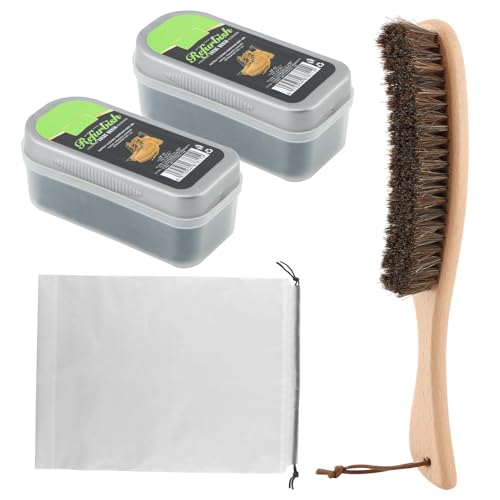
- soft bristle brush helmet padding cleaning kit

Before You Start
Plan for a 20–40 minute cleaning session. Work in a well-ventilated area and avoid soaking foams or padding. Test any spray on a small inconspicuous area first to ensure no residue or discoloration. Let all components dry completely before reinstalling the helmet on the infant’s head.
Safety notes: never use harsh solvents or bleach. Do not machine wash padding unless the manufacturer approves. If padding shows wear or foul odors persist after cleaning, consider replacement parts or consulting the prescribing clinician.
Step-By-Step: How To Clean Cranial Helmet
- Remove the helmet’s padding and liners if possible, and detach any removable components per the user manual.
- Lightly vacuum loose debris from the exterior shell and interior cavities using a gentle setting.
- Dust the exterior with a soft microfiber cloth to avoid scratching the surface.
- Spritz a small amount of cranial helmet cleaning spray antibacterial infant onto the cloth or directly onto the padding’s surface, avoiding oversaturation.
- Gently wipe the interior and exterior surfaces, focusing on seams, corners, and airway openings where moisture can collect.
- Use the soft bristle brush helmet padding cleaning kit to scrub pad surfaces in a circular motion, particularly where skin contact occurs.
- Rinse or wipe away any soap residue with a clean, damp microfiber cloth; ensure no cleaning residue remains.
- Gently pat dry with a dry microfiber cloth and allow padding to air-dry completely in a well-ventilated area.
- Reassemble the helmet once all parts are fully dry and free of moisture buildup.
- Inspect straps, buckles, and ventilation slots for debris before the next use.
- Offer a final wipe with a dry cloth to remove any residual moisture and ensure comfort for the infant.
- Store the helmet in a cool, dry place away from direct sunlight to prevent material degradation.
Troubleshooting
| Symptom | Likely Cause | Fix | Prevention |
|---|---|---|---|
| Odor remains after cleaning | Deep-seated moisture or bacteria in padding | Spot-clean with antibacterial spray, then replace padding if odor persists | Clean regularly, dry completely after each use |
| Stiff padding after air-drying | Over-drying or heat exposure | Air-dry at room temperature; avoid direct heat | Store in breathable environment |
| Discoloration on shell | Harsh cleaner or dye transfer | Pause use of that product; test alternatives first | Stick to infant-safe products |
| Loose padding or lining | Improper reassembly | Follow manual reattachment steps precisely | Check fasteners after every cleaning |
Common Mistakes
- Using overly strong cleaners that can irritate a child’s skin
- Soaking padding or padding parts in liquid
- Not allowing complete drying, leading to mold or odor
- Ignoring manufacturer guidelines for padding removal/maintenance
Tips For Best Results
- Clean on a schedule, such as weekly or after heavy sweating days.
- Keep a small, dedicated cleaning kit for the helmet to streamline future cleanings.
- Ventilate during drying to speed up moisture removal while preventing mildew.
- Record dates of cleaning and padding replacements for medical compliance.
- Inspect fit after cleaning to ensure that padding repositions correctly and remains comfortable.
Call A Professional
Seek professional assistance if any padding shows irreversible wear, if the shell is cracked, or if odors persist despite cleaning. Do not modify the helmet beyond manufacturer guidelines, and contact the clinician or supplier for replacement parts or fitting concerns.
FAQ
Is it safe to use antibacterial spray on the helmet?
Yes, when using infant-safe antibacterial sprays as directed, apply to the cloth rather than directly onto the padding to avoid oversaturation.
Can padding be machine washed?
Only if the manufacturer explicitly approves machine washing; otherwise, hand-clean the padding or replace it.
How long should the helmet air-dry after cleaning?
Allow 6–12 hours of air-drying in a well-ventilated area to ensure all moisture evaporates.
What if cleaning doesn’t remove odors?
Persistent odors may indicate worn padding or trapped moisture; consider replacing padding or consulting a professional.
How often should I clean the helmet?
Clean after heavy use or sweating periods, then perform a light wipe-down weekly for routine maintenance.
Buying Guide
Choosing the right cleaning regimen and accessories for a cranial helmet involves several factors. Size and fit remain paramount, as does the material quality of padding and shell. Consider these aspects to ensure safe, effective cleaning without compromising the device’s effectiveness.
Size And Fit Considerations
Ensure replacement padding matches the exact model and size prescribed. A snug, correctly aligned fit supports treatment goals and hygiene during cleaning intervals.
Noise Level And Comfort
While cleaning, noise is less a concern, but ensure any tools used do not cause friction against the padding that could irritate the infant’s skin.
Energy And Water Use
Water usage should be minimal and controlled with a spray bottle or damp cloth. Use energy-efficient methods by avoiding unnecessary heat during drying.
Controls And Usability
Prefer user-friendly sprays and brushes designed for infant gear. Simple disassembly and reassembly reduce handling errors during cleaning.
Placement And Storage
Store the helmet in a dry, ventilated area away from sunlight. Proper storage helps maintain padding integrity between cleanings.
Leave a Reply