How to Clean a Countertop Ice Maker
Countertop ice makers offer convenient access to fresh ice, but they require regular cleaning to prevent mineral buildup, odors, and bacteria. This guide provides step-by-step instructions, safety notes, and practical tips to keep your unit running smoothly and producing clean ice every day.
Quick Answer
Regular cleaning is essential—at least every 1–2 weeks with frequent use. Use dedicated cleaning products such as ice maker cleaning tablets for countertop or a countertop ice maker descaler and cleaner following the manufacturer’s directions. Rinse thoroughly and dry before reuse.
What You’ll Need
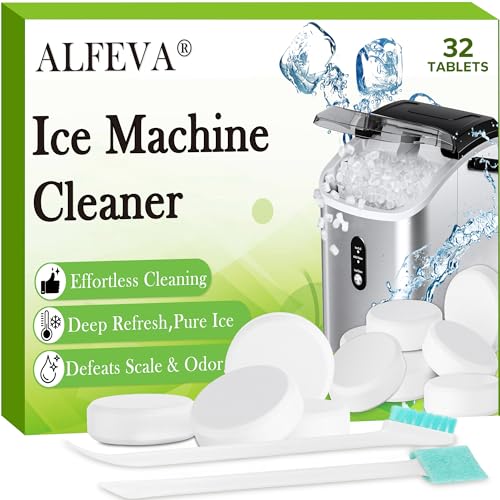
- ice maker cleaning tablets for countertop or a store-bought cleaner
- countertop ice maker descaler and cleaner to remove mineral buildup
- ice maker cleaning brush and descaler kit for hard-to-reach areas
- Soft cloths or microfiber towels
- Warm water in a small bowl
- Dish soap (mild)
- Gloves (optional for skin protection)

Before You Start
Unplug the unit and remove any ice from the reservoir before cleaning. Read the user manual for model-specific instructions. Use non-corrosive cleaners to avoid damage to hoses and internal components. Allow extra time for thorough rinsing to prevent lingering tastes. Typical cleanup takes about 20–40 minutes, plus drying time.
Step-By-Step: How To Clean A Countertop Ice Maker
- Unplug the ice maker and remove the water reservoir if possible.
- Empty the ice bin and discard any meltwater from the unit.
- Prepare a cleaning solution per product instructions using ice maker cleaning tablets for countertop or the countertop ice maker descaler and cleaner.
- Pour the cleaner into the reservoir and run a cleaning cycle or ripple the solution through the ice-making mechanism as directed.
- Pause and let the solution sit for the recommended contact time to break down mineral deposits.
- Rinse the reservoir thoroughly with clean warm water and repeat several times to remove all residues.
- Use an ice maker cleaning brush and descaler kit to scrub interior corners, seals, and the ice chute where buildup hides.
- Run several cycles with clean water to flush out any remaining cleaner or debris.
- Wipe surfaces with a soft cloth and allow the unit to air-dry completely before reassembling.
- Refill water, reinsert the ice bin, and run a small test batch to ensure clean-tasting ice.
- Keep a routine: a quick rinse weekly and a deep clean every 1–2 months, depending on usage and water hardness.
Troubleshooting
| Symptom | Likely Cause | Fix | Prevention |
|---|---|---|---|
| Ice tastes off or has odor | Residual cleaner or mineral buildup | Run extra rinse cycles with clean water; consider descaling | Regular cleanings; use filtered water |
| Ice maker not producing ice | Reservoir empty or clogged lines | Refill reservoir; check for clogs and clean | Keep water level consistent; use brushes for tight spots |
| Ice appears cloudy | Descaling needed or mineral buildup | Descale according to instructions and rinse | Descale periodically; use demineralized water if possible |
| Leaking water | Seal or hose issue | Inspect seals, tighten connections; replace if worn | Handle with care; avoid overfilling |
Common Mistakes
- Using harsh or abrasive cleaners that can damage plastic parts
- Rinsing insufficiently, leaving a chemical taste in ice
- Skipping the descaling step for hard water areas
- Forgetting to dry compartments, which can promote mold growth
Sticking to manufacturer-recommended products helps avoid common issues and extends the life of the machine.
Tips For Best Results
- Run a cold-water rinse after cleaning to ensure no cleaner remains in contact with ice
- Clean on a schedule that matches water hardness and usage
- Label cleaning days on a calendar to stay consistent
- Store the unit in a dry area to prevent moisture buildup when not in use
- Consider a water filter to reduce mineral deposits and improve ice clarity
Call A Professional
Stop and call a professional if you notice persistent leaks, unusual noises, or if the ice maker fails to operate after multiple cleanings. Seek service promptly if there are signs of mold, mechanical failure, or if electrical components appear damaged.
FAQ
How often should I clean a countertop ice maker?
Clean at least every 1–2 weeks with regular use, and descale as needed based on water hardness and mineral buildup.
Can I use vinegar to clean my countertop ice maker?
Vinegar is sometimes used as a descaler, but check the manufacturer’s guidance. Some units are not compatible with vinegar.
What is the best way to remove mineral buildup?
Use a dedicated descaler designed for countertop ice makers and follow the product directions for soaking and scrubbing.
Is it normal for ice to have a temporary chemical taste after cleaning?
Rinse thoroughly and run several cycles with clean water to remove any residual cleaner.
Should I dry the interior completely after cleaning?
Yes. Dry all surfaces to prevent mold and mildew between uses.
Can I use regular dish soap for cleaning?
Yes, mild dish soap can be used for general cleaning, but avoid leaving any soap residue that could affect ice taste.
What maintenance helps prevent buildup?
Regular rinses, periodic descaling, and using filtered water can significantly reduce buildup and keep ice clear.
Buying Guide
When choosing a countertop ice maker, consider size, noise level, energy efficiency, controls, and placement. Size matters for counter space and ice output; smaller units fit tight kitchens, while larger models provide more ice. Noise level should be acceptable for the living area, especially in open-floor plans. Look for energy-efficient models with automatic shutoff and efficient heat dissipation. Controls should be intuitive, with clear indicators for cleaning and descaling. Placement matters: keep the unit on a stable, flat surface away from heat sources and ensure adequate ventilation. If you have hard water, a model with integrated descaling or easy access to cleaning solutions will simplify maintenance. Compare the included cleaning accessories, like a brush or kit, since built‑in descaling features can reduce overall effort. Finally, verify compatibility with your countertop thickness and power outlet type for a seamless setup.
Leave a Reply