How to Clean a Countertop Dishwasher for Peak Performance
Countertop dishwashers offer convenient cleaning for small kitchens and dorm rooms. Regular, simple maintenance keeps them sanitary and running efficiently. This guide walks American users through safe cleaning steps, recommended tools, and practical tips to extend the life of a compact appliance.
Quick Answer
Keep the interior fresh and residue-free by monthly cleaning using a countertop-safe cleaner, a flexible-bristle brush, and descaler tablets designed for countertop dishwashers. Run a hot cycle with nothing but water and the cleaner to flush the system, then wipe down seals and the exterior for best results.
What You’ll Need
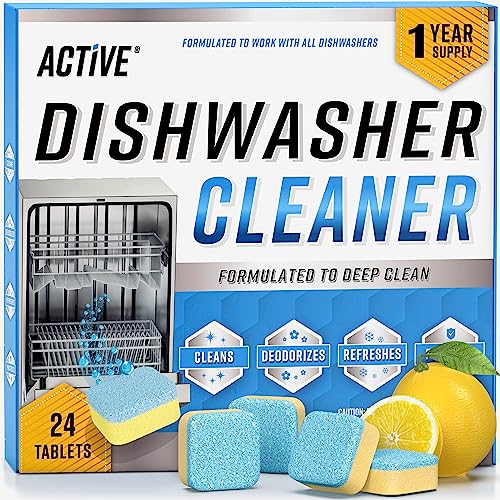
- Dishwasher descaler tablets for countertop dishwasher
- Dishwasher interior cleaning brush with flexible head
- Stainless steel appliance cleaner spray for dishwashers
- Soft microfiber cloths
- Optional: distilled white vinegar for a rinse boost (in small amounts)


Before You Start
Before cleaning, unplug the unit and remove all dishes. Check the water inlet filter and drain area for debris. Use non-abrasive cleaners on stainless steel surfaces to prevent scratches. If your countertop dishwasher has stubborn mineral buildup, a compatible descaler tablet helps dissolve deposits without harming seals. Plan for a 30–60 minute cleaning window, depending on how dirty the unit is.
Step-By-Step: How To Clean A Countertop Dishwasher
- Remove racks and run a quick hot-water rinse to loosen debris.
- Place a descaler tablet in the detergent reservoir or drum according to the product’s directions.
- Fill the reservoir with hot water if required by the model, ensuring the interior can reach high heat during the cycle.
- Run a full wash cycle on the hottest setting with no dishes to flush the system and dissolve mineral buildup.
- While the cycle runs, dampen a cleaning brush with warm water and use the flexible head to scrub around the door seal, rails, and interior corners.
- Wipe the door seal, gasket, and exterior with a damp microfiber cloth, then spray a light coating of stainless steel appliance cleaner on a separate cloth for the exterior finish.
- After the cycle completes, run a short rinse with fresh water to remove any cleaner residue.
- Dry interior surfaces with a clean cloth and allow the unit to air-dry with the door open for a few minutes.
- Reinsert racks and run a final no-dish cycle with just water if you notice any remaining residue.
- Store cleaning tools in a dedicated spot to simplify the next maintenance session.
Troubleshooting
| Symptom | Likely Cause | Fix | Prevention |
|---|---|---|---|
| Cycle won’t start | Power or water supply issue | Check plug, inlet hose, and water supply valve | Keep cords and hoses clear; run a quick test cycle monthly |
| Strange odor after cleaning | Residue from cleaners or mineral deposits | Run an extra hot cycle with clean water | Limit strong cleaners and rinse thoroughly |
| Visible mineral buildup | Hard water deposits | Use countertop descaler tablet as directed, then run a rinse | Use distilled water for the final rinse occasionally |
| Water not draining | Clogged filter or debris in drain | Remove and clean drain filter, clear lines | Inspect after every cleaning cycle |
Common Mistakes
- Using abrasive cleaners on stainless surfaces
- Overfilling the reservoir or using too much cleaner
- Neglecting the door seal and gasket during cleaning
- Ignoring mineral buildup in hard-water regions
Tips For Best Results
- Schedule a monthly clean cycle to prevent buildup and ensure optimal performance.
- Use only descaler tablets formulated for countertop dishwashers to avoid damage to seals and components.
- Wipe seals and hinges after each use to minimize mold and mildew growth.
- Choose a neutral pH stainless steel cleaner to maintain shine without corrosion risk.
- For thorough deodorizing, add a splash of white vinegar during the final rinse, but avoid on models that advise against vinegar use.
Call A Professional
Seek professional help if you notice persistent leaks, unusual noises, or electrical odors, or if the unit fails to operate after repeated cleaning. Do not attempt internal repairs beyond basic maintenance. If the appliance is under warranty, consult the manufacturer’s service provider guidelines before attempting repairs.
FAQ
Can I use regular dish soap to clean a countertop dishwasher?
It’s best to avoid dish soap inside the unit as excess suds can interfere with operation. Use descaler tablets and the appropriate cleaning brushes instead.
How often should I descale a countertop dishwasher?
Descale every 1–3 months depending on water hardness and usage. Hard-water areas may require more frequent cleaning.
Is it safe to spray cleaner on the exterior?
Yes, as long as you apply to a cloth first and avoid the control panel. Use a stainless steel cleaner for best results on metal surfaces.
What if the unit doesn’t drain after cleaning?
Check the drain hose and filter for clogs, then run a test cycle with water only to confirm drainage is working.
Buying Guide
When choosing a countertop dishwasher, consider size, noise, energy use, controls, and placement. A compact model should fit your counter with enough clearance for the door to open fully. Look for a low noise rating if the appliance sits near living spaces. Energy-efficient cycles can save water and electricity. Intuitive controls reduce the learning curve and prevent user errors. Think about where you’ll place the unit—near a water outlet and a power source, with stable surface and proper ventilation. If you frequently deal with hard water, a model compatible with descaler tablets and easy interior cleaning access is ideal.
Leave a Reply