How to Clean Couch Stains: A Practical Guide
Stains on a sofa can range from spilled coffee to muddy footprints. With the right approach and common tools, most couch stains can be removed effectively without professional help. This guide outlines practical steps, safety notes, and product recommendations to help American homeowners restore a clean, comfortable living space.
Quick Answer
Start by blotting the stain to remove excess liquid, then treat with an appropriate cleaner for your upholstery type. Always test a small, inconspicuous area first. For stubborn or large stains, consider steam cleaning or using a portable extractor to lift embedded dirt. If the stain persists after multiple methods, seeking a professional may be the best option.
What You’ll Need
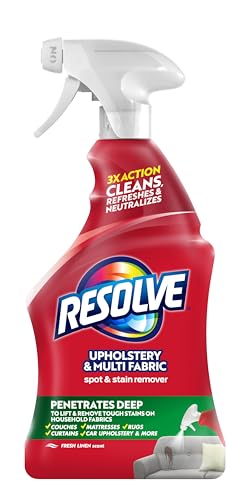
- Upholstery fabric cleaner spray for sofa stain removal 32 oz
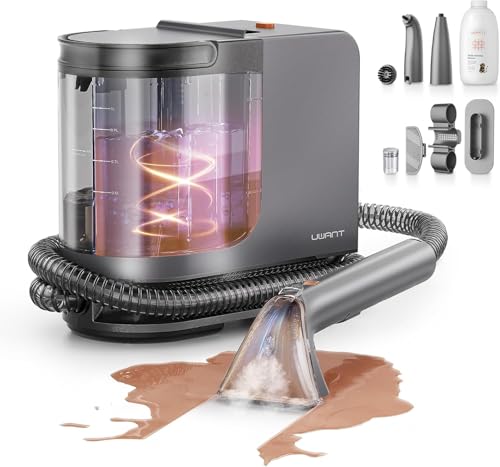
- Steam cleaner for upholstery couch fabric stains
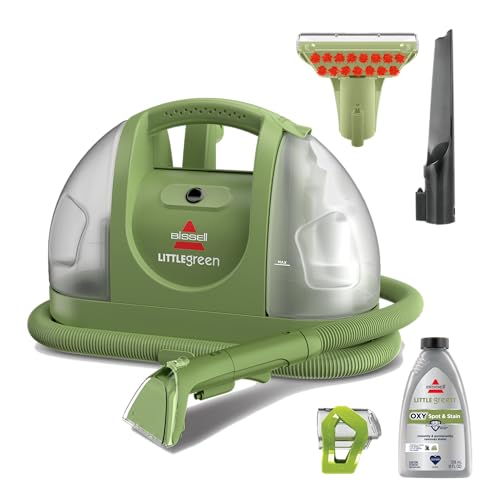
- Portable upholstery extractor machine for sofa stains
Before You Start
Before treating any couch stain, identify the fabric type. If the label shows “SC,” “WS,” or “X,” follow the corresponding care instructions. Test each cleaner in an inconspicuous area and wait 24 hours to observe any color change or fabric damage. Prepare a clean, dry towel or cloth for blotting and place a protective cloth under the stain zone to catch runoff. Allow adequate time for the area to air dry, typically several hours. Never rub vigorously, which can push stain deeper into fibers, and avoid heat on protein-based stains like dairy or blood until a proper cleaning method is confirmed.
Step-By-Step: How To Clean Couch Stains
- Identify the stain type (protein-based, dye-based, or unknown) to choose the correct cleaner and method.
- Blot excess liquid using a clean, white cloth from the outside toward the center to prevent spreading.
- Apply cleaner sparingly to the stained area according to the product label. Do not oversaturate the fabric.
- Gently work the stain with a soft-bristled brush or cloth in a circular motion, lifting the stain toward the surface.
- Rinse or blot with clean water to remove cleaning residue. For spray cleaners, use a damp cloth to remove suds.
- Dry the area with a towel and allow the fabric to air dry. If possible, use a fan or a hair dryer on a cool setting to speed up drying.
- If residue remains, repeat the cleaning cycle once more, using a slightly stronger cleaner appropriate for the fabric.
- Steam clean for embedded dirt (if allowed by fabric care label) to lift fibers and remove deeper grime.
- Use a portable upholstery extractor for tough stains to suction out moisture and loosened debris.
- Reassess the stain after drying. If color change or pattern loss appears, stop and move to professional guidance.
- Finish with a fabric freshening spray or light padding to restore softness and odor control.
Troubleshooting
| Symptom | Likely Cause | Fix | Prevention |
|---|---|---|---|
| Stain reappears after drying | Stain set deeper than surface | Repeat cleaning with a stronger cleaner suitable for the fabric | Treat promptly; avoid letting spills sit |
| Discoloration after cleaning | Improper cleaner on dye-sensitive fabric | Test first; switch to a gentler, fabric-safe solution | Always test on an inconspicuous area |
| Soap residue visible after drying | Over-application of cleaner | Blot with damp cloth to remove suds | Use minimal cleaner per area |
| Fabric remains stiff after cleaning |
Common Mistakes
- Over-wetting the fabric, which can lead to mold or odor.
- Using bleach or bleach-based products on colored upholstery.
- Rubbing aggressively, which can fray fibers or spread stain.
- Skipping a spot test, risking fabric damage or color loss.
Tips For Best Results
Most couch stains respond well to prompt action and the right cleaners. Use a three-step approach: blot, treat, and rinse. For deeply embedded stains, consider a steam cleaner or portable extractor to lift soil out of the fibers. Keep a small cleaning kit handy with a fabric-safe cleaner and clean towels for quick responses. Maintain a regular cleaning schedule to keep fabrics looking fresh and extend sofa life.
Call A Professional
In cases where stains are extensive, involve delicate fabrics (silk, velvet, or wool blends), or color loss is suspected, consult a professional upholstery cleaner. Stop signs include persistent staining after multiple attempts, water damage signs (musty odor, swelling), or fabric labels that advise against home cleaning.
FAQ
Can I use dish soap to clean couch stains?
Dish soap can be used in small amounts for certain water-based stains, but always dilute and test first to avoid foaming or residue on the fabric.
Is steam cleaning safe for all couches?
No. Check the fabric care label; some materials may shrink, fade, or warp when exposed to heat and moisture.
How long should a couch air dry after cleaning?
Most fabrics take 2–6 hours, but heavier upholstery may require up to 24 hours. Use airflow to speed drying.
What if the stain is oil-based?
Oil-based stains require a degreaser or solvent appropriate for fabric type. Test before applying and avoid mixing cleaners.
Should I vacuum after cleaning?
Yes, a light vacuum helps remove loosened dirt and fibers; wait until the fabric is fully dry before vacuuming.
Can I use household products to remove pet stains?
Pet stains often require enzyme cleaners designed for pet odors and soils. Test on a hidden area first.
Buying Guide
Choosing the right tools for couch stain removal involves evaluating cleaning power, fabric compatibility, and ease of use. Consider the following factors to make an informed purchase:
- <bSize and form: A spray bottle cleaner is convenient for spot treatments, while a reusable steam cleaner or portable extractor handles larger areas and embedded stains.
- <bNoise level: If you share a living space, quieter machines reduce disruption during cleaning sessions.
- <bEnergy efficiency: Look for energy-efficient models with effective moisture removal to shorten drying times.
- <bControls: Simple, intuitive controls help ensure correct operation and safer use on various fabrics.
- <bPlacement: Consider a portable design that fits under cabinets or into closets for easy storage and quick access.
- <bCompatibility: Verify that cleaners and cleaning modes suit the upholstery fabric on your sofa, especially for delicate fibers.
- <bMaintenance: Check the ease of cleaning parts, availability of replacement parts, and cleaning solution compatibility.
For most households, a combination approach works well: a fabric-safe upholstery cleaner spray for spot stains, plus a steam cleaner or portable extractor for tougher or larger areas. This multi-tool strategy minimizes risks while maximizing stain removal success.
Leave a Reply