How to Clean Couch Covers Safely and Effectively
Cleaning couch covers can refresh your living room and extend the life of your furniture. This guide walks through practical steps, safe products, and common pitfalls to avoid. By following a straightforward process, you can lift stains, remove odors, and restore fabric without removing the covers or wasting time.
Whether the covers are machine-washable or require spot cleaning, a systematic approach helps achieve consistent results. The methods below emphasize gentle cleaning, proper drying, and maintenance that keeps fabrics looking newer longer.
Quick Answer
Best practice: vacuum first to remove loose dirt, test cleaners on a hidden area, treat stains with a fabric stain remover spray for upholstery, and finish with a gentle steam or thorough air dry. For tougher soils, use an upright upholstery steam cleaner following the manufacturer’s instructions.
What You’ll Need
- Upright upholstery steam cleaner
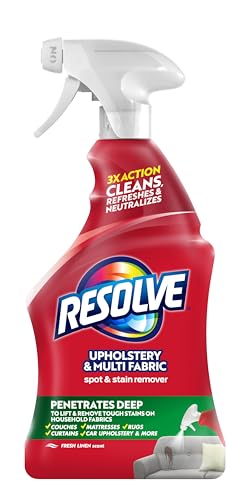
- Fabric stain remover spray for upholstery
- Vacuum cleaner with upholstery attachment


Before You Start
Assess fabric type and care labels before cleaning. Look for washing instructions on the couch cover tag—some fabrics are machine washable, others are spot-clean only. Perform a patch test in an inconspicuous area to ensure colorfastness or fabric integrity. Plan for a drying window of several hours to a full day, depending on air flow and fabric thickness. Always unplug electrical devices before use and keep liquids away from electronic components.
Step-By-Step: How To Clean Couch Covers
- Remove the couch covers if possible and inspect seams for wear. This helps determine if a washing machine can be used or if spot cleaning is required.
- Vacuum the covers thoroughly using a vacuum cleaner with upholstery attachment to lift dust, crumbs, and pet hair from both sides.
- For visible stains, apply fabric stain remover spray for upholstery. Blot gently with a clean cloth; avoid rubbing, which can spread stains or fray fibers.
- If the fabric is machine washable, follow the care label instructions. Use a gentle cycle with cold water and a mild detergent to protect color and fabric integrity.
- For non-washable covers, use a light spray of upholstery-safe cleaner and work in from the outside of the stain toward the center. Blot with a clean microfiber cloth to lift soils.
- Run a gentle steam cleaning pass with an upright upholstery steam cleaner if approved by the cover manufacturer. Use low heat and avoid saturating the fabric to prevent water stains and wicking.
- Rinse with a clean, damp cloth to remove any soap residues. Blot to remove excess moisture rather than rubbing, which can distort fibers.
- Air-dry the covers completely in a well-ventilated area. If possible, lay flat or hang to prevent wrinkles and ensure thorough drying to prevent mold.
- Reassemble the couch and replace the covers once fully dry. A light brush or freshening spray can help restore texture and scent.
- Inspect the fabric after drying. If stains persist, repeat targeted treatment in the same area and allow additional drying time before frequent use.
- Schedule routine maintenance: vacuum weekly and spot-clean promptly after spills to keep covers looking fresher longer.
Troubleshooting
| Symptom | Likely Cause | Fix | Prevention |
|---|---|---|---|
| Stains reappearing after drying | Improper rinsing or residual cleaner | Rinse with a damp cloth, blot thoroughly, and ensure complete drying | Test cleaners first; use minimal cleaning solution |
| Color fading or transfer | Harsh chemicals or high heat | Switch to a color-safe product and air-dry | Patch test; follow label directions |
| Fabric becomes stiff after cleaning | Soap residue | Rinse and blot with clean water; avoid over-saturation | Use lighter amounts of cleaner |
| Persistent odor | Moisture trapped in fibers | Increase air flow, use fans, repeat cleaning if needed | Dry thoroughly and consider odor-control sprays |
| Water spots on leather-backed covers | Water exposure on sensitive backing | Only apply steam or cleaners to fabric portions; avoid backing | Check care label before treating |
Common Mistakes
- Using hot water or high heat on delicate fabrics
- Over-wetting covers, leading to mold or mildew
- Rubbing stains aggressively, causing fiber distortion
- Skipping a patch test and colorfastness check
- Cleaning covers while still mounted on the furniture without sufficient drying time
Tips For Best Results
- Always test stain removers on a hidden area first to avoid color loss.
- Work stains from the outside in to prevent spreading.
- Use a dual-action vacuum with an upholstery attachment to lift fibers before cleaning.
- Airtight storage between cleanings helps prevent musty odors; consider a fabric freshening spray after drying.
- Keep a cleaning routine: quick-dry after spills and monthly deep-clean checks for high-traffic couches.
Call A Professional
If covers are heavily stained, water-sensitive, or the fabric is labeled as delicate, seek professional upholstery cleaning. Stop cleaning if you notice color bleeding, fabric pilling beyond gentle rubbing, or backing damage. In cases of persistent mold, water leaks, or structural issues with the cushion covers, a pros visit is recommended to avoid further damage and ensure safe restoration.
FAQ
Can I machine-wash all couch covers?
Not all fabrics are machine washable. Check care labels and test a small hidden area before washing. Some covers are spot-clean only.
Is it safe to use a steam cleaner on fabric couches?
Steam can be effective when the fabric and manufacturer guidelines permit it. Use low heat and a gentle pass to avoid water saturation.
How do I remove stubborn pet odors from couch covers?
Apply a fabric-safe odor eliminator and allow proper drying. Vacuum and spot-clean any residual stains to prevent lingering smells.
What should I do after cleaning to prevent new stains?
Apply a fabric protector if recommended for the material, and establish a routine of quick blotting spills and regular vacuuming.
How long does it take for couch covers to dry?
Drying time varies by fabric type and room conditions, typically several hours to a full day. Ensure thorough drying before reusing.
What if stains reappear after washing?
Re-treat the spot with a stain remover, rinse well, and re-dry. Persistent stains may require professional cleaning.
Buying Guide
When selecting tools and products for cleaning couch covers, consider size, noise levels, energy use, and ease of use. A reliable upright upholstery steam cleaner offers deep cleaning without soaking fabrics, while a vacuum cleaner with upholstery attachments provides quick maintenance between cleanings. Look for a fabric stain remover spray for upholstery that is compatible with your couch’s material. Consider the following factors to make an informed choice:
Key Buying Factors
- <bSize and weight: Choose a compact, easy-to-maneuver unit for tight spaces and stairs, or a larger model for frequent deep cleans.
- <bNoise level: Look for models with lower decibel ratings to minimize disruption in living spaces.
- <bEnergy efficiency: Energy-efficient devices save electricity during longer cleaning sessions.
- <bControls and settings: Simple controls, multiple heat/stroke options, and clear indicators help ensure proper use.
- <bPlacement and storage: Consider where you’ll store the equipment and how easily it reaches furniture across rooms.
Compatibility with your couch fabric matters. If a cover is delicate or labeled spot-clean only, avoid aggressive cleaning tools and rely on targeted stain removal and careful blotting. A well-chosen combination of an upright upholstery steam cleaner, a fabric stain remover spray for upholstery, and a vacuum cleaner with upholstery attachment can cover most cleaning scenarios, delivering fresh results with minimal hassle.
Leave a Reply