How to Clean a Coravin Needle Safely and Effectively
Maintaining a clean Coravin needle is essential to ensure smooth operation, prevent contamination, and preserve the integrity of your wine pours. This guide walks through a practical, step-by-step method using dedicated cleaning tools designed for Coravin systems. Readers will learn best practices for regular maintenance and how to handle common issues that can arise with needle use.
Quick Answer
Use a dedicated Coravin needle cleaning kit with the cleaning brush to gently remove residues, then rinse with warm water and dry thoroughly before reassembling. Regular maintenance reduces clogging and maintains pour quality.
What You’ll Need
The following tools are recommended for cleaning and maintaining the Coravin needle:
- Coravin needle cleaning kit
- Coravin needle cleaning brush
- Coravin wine system needle maintenance kit
- Warm water and a soft, lint-free cloth
- Warm, mild dish soap (optional for deeper cleaning)
 |
CORAVIN Needle 3Pack Replacement Needles for Timeless Wine | |
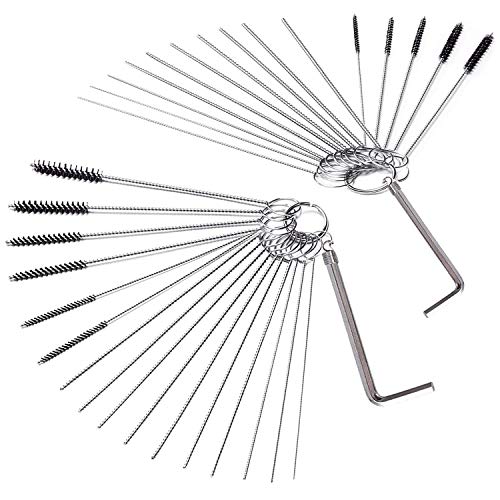 |
Carburetor Carbon Dirt Jet Cleaner Tool Kit 18 Cleaning Needles with 12 Brush and 2 Throttle Wrench |
Before You Start
Prepare a clean workspace and gather all tools. Ensure the wine system is depressurized and cool to the touch before handling the needle. Safety cautions include avoiding excessive force that could bend or damage the needle, and never cleaning with abrasive materials. Allow all components to dry completely to prevent moisture-related issues.
Time estimate: 8–15 minutes per cleaning session, depending on residue and kit usage. Regular maintenance after several uses is recommended to keep performance high and prevent clogging or slow pours.
Step-By-Step: How To Clean The Coravin Needle
- Detach the needle from the wine system following the manufacturer’s instructions to access the cleaning area.
- Rinse the needle gently under warm running water to remove loose debris and wine residues.
- Use the Coravin needle cleaning brush to carefully scrub the inner and outer surfaces of the needle. Use short, gentle strokes; avoid pressing too hard.
- Inspect the needle opening for any stubborn stuck particles. If present, use a tiny amount of mild soap on the brush or a dedicated cleaning solution from the kit, then rinse thoroughly.
- Rinse again with warm water to remove any soap or loosened residue. Shake lightly to remove excess water.
- Dry the needle with a clean cloth or allow it to air dry completely before reattaching to the system.
- Reassemble the wine system and perform a short test pour into a glass to ensure smooth operation and no leaks.
- Keep the cleaning kit assembled and store in a dry place away from heat and direct sunlight to extend the life of the cleaning tools.
Troubleshooting
| Symptom | Likely Cause | Fix | Prevention |
|---|---|---|---|
| Slow or blocked pours | Residue buildup inside the needle | Deep clean with the cleaning kit brush; inspect for bent or damaged needle | Clean after every few uses or after pouring highly viscous liquids |
| Unusual tasting wine | Contamination inside the needle or insertion path | Thorough cleaning and, if needed, replace the needle | Use fresh wine and avoid cross-contamination during cleaning |
| Visible corrosion or rust on needle | Prolonged exposure to moisture or improper drying | Replace needle; ensure complete drying after cleaning | Dry thoroughly and store in a dry place |
| Air bubbles or leaking | Improper reattachment after cleaning | Re-seat and tighten components per manual | Follow reassembly steps carefully after cleaning |
Common Mistakes
- Using abrasive brushes or cleaners that scratch the needle surface
- Forgetting to fully dry the needle before reassembly
- Skipping the cleaning after a single use with strong pours, such as port or syrupy wines
- Discarding the needle prematurely without verifying maintenance steps
Tips For Best Results
- Clean the needle after every few uses to prevent buildup, especially if pouring darker wines or aged varieties.
- Use the dedicated cleaning brush designed for Coravin needles to avoid damage and ensure effective scrubbing.
- Always inspect the needle tip for burrs or bending; a damaged tip can cause leaks or poor pours.
- Keep the cleaning kit components organized in a dedicated case to prevent loss and ensure quick maintenance.
- Document maintenance intervals to establish a consistent cleaning routine that fits your drinking habits.
Call A Professional
Seek professional help if the needle or system shows persistent leaks, irregular pours after multiple cleanings, or visible damage to the needle body. If you notice recurring failures that cleaning cannot resolve, contact Coravin support or a certified technician to assess replacement options or warranty coverage.
FAQ
How often should I clean the Coravin needle?
Clean after several uses, or sooner if you notice slower pours or off-tastes.
Can I use regular brushes to clean the needle?
It is best to use the dedicated Coravin needle cleaning brush to avoid scratching or damaging the needle.
What should I do if the needle won’t come out after cleaning?
Power down the system, re-check connections, and reseat the needle with the proper alignment; if stuck, seek professional assistance.
Is there a maintenance kit I should buy?
Yes, a Coravin needle cleaning kit and a Coravin wine system needle maintenance kit are recommended for regular upkeep.
Can I clean the needle with soap and water?
Light soap can be used, but thoroughly rinse to remove all residues before reassembly.
What if the wine tastes metallic after a cleaning?
Rinse thoroughly and ensure no soap or cleaning residue remains; inspect for a damaged needle and replace if necessary.
Do cleaning kits come with replacement needles?
Most kits focus on cleaning tools; replacement needles are usually sold separately depending on the model.
Buying Guide
Choosing the right accessories for Coravin needle maintenance supports safe, consistent wine pours. Consider the following factors:
- Size and compatibility: Ensure the cleaning kit and maintenance tools fit your specific Coravin model and needle type.
- Cleaning effectiveness: Look for kits that offer a dedicated needle cleaning brush and proven cleaning solutions tailored to wine residues.
- Durability: High-quality brushes and housings reduce wear on the needle and extend tool life.
- Ease of use: Simple, intuitive kits speed up maintenance and minimize the risk of improper reassembly.
- Storage and organization: A compact case helps keep tools ready for quick maintenance between uses.
- Safety features: Non-slip handles and protective caps on brushes prevent accidents in the kitchen or bar area.
- Availability of replacement parts: Availability of replacement needles and cleaning components ensures long-term upkeep.
Think about your typical cleaning frequency, the types of wines you enjoy, and the surface area where you store your Coravin system. If you entertain often, a robust cleaning kit with a dedicated brush is especially valuable. For casual users, a compact maintenance kit may be sufficient. Always follow the manufacturer’s instructions for reassembly and testing after cleaning to keep pours precise and clean.
Leave a Reply