How to Clean Cooking Oil at Home
Maintaining clean cooking oil extends oil life, improves taste, and supports healthier frying. This guide walks through practical steps for home cooks who want to filter and purify frying oil, reduce waste, and reuse oil safely. With simple methods and reliable tools, you can keep your oil fresh without frequent replacement.
Quick Answer
Filtration first, purification second. Strain and filter used oil to remove food particles, then consider purification methods to reduce impurities and odors. Monitor oil quality with simple tests, and filter between batches to prolong usability.
What You’ll Need
Gather materials that help you filter, purify, and store oil cleanly. The following tools are commonly used for home frying oil care.
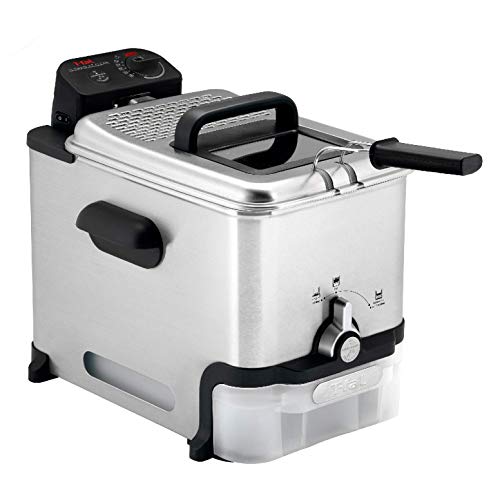
- Deep fryer oil filtration system stainless steel
- Frying oil filter and purifier for home use
- Used cooking oil filtration pump and purifier

Before You Start
Prepare your workspace with a stable surface, a container to hold filtered oil, and a heat-safe mat. Allow used oil to cool to a safe handling temperature before filtering. Never pour hot oil into plastic containers and always unplug devices when not in use. Oil that smells sour, foams excessively, or shows dark buildup should be treated with extra care or discarded.
Step-By-Step: How To Clean Cooking Oil
- Turn off the fryer and let the oil cool to below 120°F (49°C) before handling.
- Set up a filtration system and place a clean container underneath to catch the oil.
- Use a simple conduit or filter basket to strain out large food particles.
- Pass the oil through a fine filter to remove small solids and sediment.
- Check the oil for odor and color; if it remains sharp or cloudy, consider purification steps.
- Apply a purification method if needed (see options below) to reduce impurities.
- Return the filtered oil to a clean storage container, seal tightly, and label with date.
- Test oil quality after each use by frying a small sample; if smoke point is degraded, replace the oil.
- Clean the filtration equipment after use to prevent residue buildup.
- Repeat filtration between uses to extend oil life and maintain flavor.
- Disposal: never pour used oil down the drain; store in a sealed container and follow local disposal guidelines.
- Regularly inspect equipment for wear or corrosion and replace as needed to maintain performance.
Troubleshooting
| Symptom | Likely Cause | Fix | Prevention |
|---|---|---|---|
| Oil smells sour after filtration | Residual food particles or degraded oil | Filter more thoroughly; consider purification or replacing oil | Filter after each use and store properly |
| Oil foams during frying | Moisture or impurities | Ensure oil is dry and filtered | Dry food completely before frying |
| Oil darkens quickly | Old oil or high usage | Purify or replace; reduce frying temperature | Limit reuse cycles per batch |
| Filtration device leaks | Loose fittings or worn seals | Tighten connections; replace seals | Inspect equipment regularly |
Common Mistakes
- Using cold oil directly from the fryer for filtration can cause splashes and poor filtration.
- Neglecting to strain between batches leads to faster oil degradation.
- Overheating oil during filtration can damage filters and shorten equipment life.
- Ignoring storage conditions; oil should be kept in a cool, dark place to slow oxidation.
Tips For Best Results
Enhance oil longevity and flavor with these practical tips:
- Always cool oil fully before filtering to minimize risk and improve filtration efficiency.
- Use compatible filtration systems designed for the type of oil you cook with (vegetable, peanut, etc.).
- Filter oil after each frying session to remove solids that accelerate rancidity.
- Keep oil away from light and heat; proper storage extends usability.
- Label stored oil with date and intended use to prevent accidental reuse past its prime.
Call A Professional
If you notice persistent off-odors, unusual foaming, or oil that fails to clear after multiple cleanings, consider consulting a professional or the equipment manufacturer for guidance. Stop using any filtration device showing signs of leakage, corrosion, or electrical issues.
FAQ
How often should I filter used cooking oil?
Filter after every batch to remove solids, then purify if necessary to maintain quality.
Can I reuse oil indefinitely?
No. Oil quality degrades over time; monitor odor, color, and smoke point and dispose when needed.
What is the best purification method for home use?
Purification options vary; some households use filtration followed by chemical-free purification to reduce impurities, while others rely on high-quality purifiers compatible with their oil type.
Is it safe to mix new oil with used oil?
It is possible but may dilute quality; mix only if you understand the flavor and smoke-point implications for your recipe.
What should I do with waste oil?
Store in a sealed container and follow local disposal guidelines; never pour down the drain.
Which tools are essential for beginners?
Start with a reliable deep fryer oil filtration system stainless steel and a frying oil filter and purifier for home use to simplify the process.
Buying Guide
Choosing the right oil filtration and purification setup depends on several factors. Consider the following to ensure you select equipment that fits your kitchen and frying volume.
- <bSize and capacity: Match the system capacity to your typical frying volume. Small households benefit from compact units, while larger kitchens may need higher flow rates.
- <bNoise level: Look for quiet operation if the unit will run in or near living spaces.
- <bEnergy efficiency: Check energy use for ongoing operation, especially if filtering frequently.
- <bControls and ease of use: Simple on/off switches, clear indicators, and easy filter changes save time.
- <bPlacement and storage: Ensure the unit fits your counter space and can be stored with the filters accessible for routine maintenance.
- <bCompatibility with oil types: Confirm that the filtration system is suitable for the oil you use (vegetable, peanut, canola, etc.).
- <bFilter life and availability: Consider filter cost and replacement availability to maintain ongoing use.
- <bMaintenance needs: Look for durable stainless steel construction and simple cleaning steps to extend the life of the device.
If you cook frequently, investing in a robust filtration system and purifier can reduce waste, improve flavor, and simplify oil care. Compare models based on capacity, ease of use, and compatibility with your preferred oil type to find the best fit for your kitchen.
Leave a Reply