How to Clean a Coffee Maker With Citric Acid
Citric acid offers a safe, effective way to remove mineral buildup from a wide range of coffee makers. This guide explains a practical method using citric acid to descale and refresh kitchen brewers, drip machines, and single-serve brewers without harsh chemicals.
Following these steps can improve coffee flavor, extend machine life, and reduce scale-related performance issues. The approach works with common household tools and the listed descaling products designed for citric acid use.
Quick Answer
Mix a citric acid solution according to package directions, run it through the coffee maker as a cleaning cycle, rinse with fresh water, and repeat with plain water until tasting no longer hints at sour or citric residue. Wipe the exterior and drain path, then run a final water-only cycle.
What You’ll Need
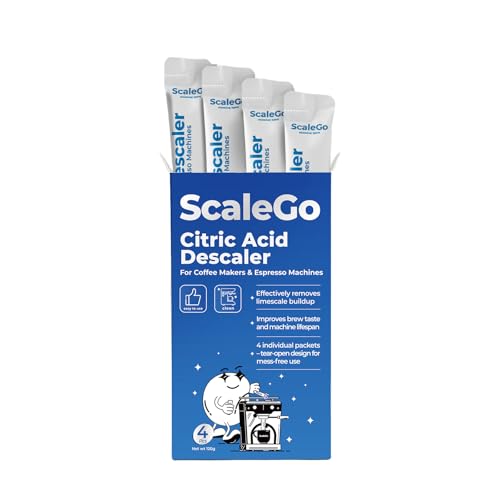
- Citric acid descaler for coffee maker powder
- Espresso machine descaler kit citric acid safe
- Coffee maker cleaning brush set


Before You Start
Ensure the coffee maker is unplugged and cooled before handling. Empty any remaining coffee or water from the carafe and reservoir. Use fresh, cold water for all rinses, and never mix citric acid with vinegar or bleach. Some machines may require a different maximum citric acid concentration; consult the user manual if available.
Estimated time: about 30–60 minutes, depending on the machine and cleaning cycle. Safety note: avoid contact with eyes; if irritation occurs, rinse with clean water.
Step-By-Step: How To Clean A Coffee Maker With Citric Acid
- Remove removable parts such as the carafe, basket, and filter. Wash them with warm soapy water or in the dishwasher if permitted by the manufacturer.
- Prepare the citric acid solution according to the product label. Typical concentrations are a small amount of powder per liter of water; use the amount specified for descaling coffee equipment.
- Fill the water reservoir with the citric acid solution. If your machine has a cleaning cycle, select it; otherwise run a normal brew cycle to circulate the solution.
- Allow the solution to pass through the brew path. Pause briefly if your machine allows for a soaking step so mineral deposits loosen.
- Discard the cleaning solution from the carafe and reservoir. Rinse the reservoir with fresh water.
- Run 1–2 cycles with only clean water to remove all citric acid residue. If your machine has an automatic rinse setting, use it.
- Wipe the exterior, warming plate, and any accessible hoses or seals with a damp cloth. Dry with a clean towel.
- Reassemble the machine and run a final brew with fresh coffee to prime the system before regular use, discarding the first cup.
- Check for any remaining mineral taste or odor. If detected, repeat the rinse cycles with fresh water.
- Discard used cleaning solution and thoroughly rinse any accessories. Store the citric acid descaler in a cool, dry place.
Troubleshooting
| Symptom | Likely Cause | Fix | Prevention |
|---|---|---|---|
| Weak flow or no water after cleaning | Blockage from mineral buildup | Run an additional plain-water rinse cycle | Regular descaling every 1–3 months depending on usage |
| Coffee tastes sour after cleaning | Citric acid residue in brew path | Run extra plain-water cycles until neutral | Proper rinsing cycles after every descale |
| Foul odor persists | Residual cleaning solution | Increase rinse cycles and wipe interior surfaces | Inspect seals and replace if needed |
| Machine leaks during cleaning | Overfilled reservoir or damaged seals | Use correct water volume and inspect seals | Follow manufacturer guidelines for liquids |
Common Mistakes
- Using vinegar or chlorine-based cleaners with citric acid
- Skipping thorough rinsing, leaving residues that affect taste
- Not removing removable parts for separate cleaning
- Descaling too frequently on machines with sensitive seals
Tips For Best Results
- Use warm water for the rinse cycles to help dissolve mineral deposits more effectively.
- For very hard minerals, consider running the citric acid cycle twice with a short rest in between to maximize effectiveness.
- Always perform a final coffee-free rinse cycle before brewing with real coffee.
- Keep a spare brush set handy to reach small ports and filters without scratching surfaces.
Call A Professional
Contact a professional if you notice persistent leaks, cracking sounds, or gasket damage after descaling. Seek expert help if the machine fails to operate after multiple cleaning cycles or if you observe corrosion or mold growth beyond routine mineral buildup.
FAQ
Is citric acid safe for all coffee makers?
Citric acid is generally safe when used as directed, but always consult the user manual for your model before descaling.
How often should I descale my coffee maker with citric acid?
The frequency depends on usage and water hardness; common guidance is every 1–3 months for regular use in hard water areas.
Can I use plain water instead of citric acid for cleaning?
Plain water is insufficient for mineral removal; citric acid improves descaling effectiveness while staying gentle on most machines.
Will descaling affect the taste of coffee?
Proper rinsing removes residue that could alter taste; if a metallic or sour aftertaste appears, perform additional water-only cycles.
What if my machine doesn’t have a cleaning cycle?
Run the citric acid solution through a manual brew cycle, then complete multiple water-only rinses to purge all residue.
Can I reuse the descaling solution?
No. Dispose of the used solution per product instructions and prepare a fresh mix for each cleaning session.
Buying Guide
When choosing a citric acid-based descaler and related accessories, consider size, convenience, and compatibility with your coffee maker. Key factors include:
- <bSize and packaging: Powder descalers come in jars or sachets; pick one that matches your machine’s typical cleaning volume.
- <bNoise level: Some thorough descaling cycles may cause brief operational sounds; look for machines designed for quiet maintenance cycles if you prefer a low-noise environment.
- <bEnergy efficiency: Descaling itself uses minimal energy, but running clean cycles with preheated water can impact energy use slightly.
- <bControls: Machines with dedicated cleaning or descaling modes simplify the process; for others, manual cycles require precise timing and repeat rinses.
- <bPlacement: Store descalers in a cool, dry cabinet away from sunlight; keep cleaning tools within easy reach near the coffee station.
- <bCompatibility: Ensure the descaler is labeled safe for citric acid use with your specific model type (drip, single-serve, or espresso). If you own a high-end espresso machine, verify kit compatibility before purchase.
- <bAccessories: A coffee maker cleaning brush set helps reach valves, ports, and carafe spouts for thorough maintenance.
Thinking about value and practicality? A well-chosen citric acid descaler kit paired with a dedicated cleaning brush set can simplify routine maintenance and extend the life of your brewer. If you use hard water, consider a monthly descaling schedule and keep the kit on hand for quick refreshes between deep cleans.
Leave a Reply