How to Clean Cloudy Windows for Clear, Sparkling Glass
Cloudy or smeared windows can make a space feel dull and dated. With the right approach and a few reliable tools, homeowners can restore clarity and let more light in. This guide explains a practical, safe method to remove mineral buildup, soap film, and haze from windows using commonly available window cleaning gear.
Beyond aesthetics, clean windows improve energy efficiency by reducing surface residue that blocks light. The steps below emphasize careful technique, material compatibility, and predictable results for most residential glass surfaces.
Quick Answer
Best quick method: start with a vinegar-based solution, scrub with a microfiber cloth, rinse with a clean water stream using a long-handled squeegee, and finish with a wipe using a microfiber cloth for a streak-free shine.
What You’ll Need
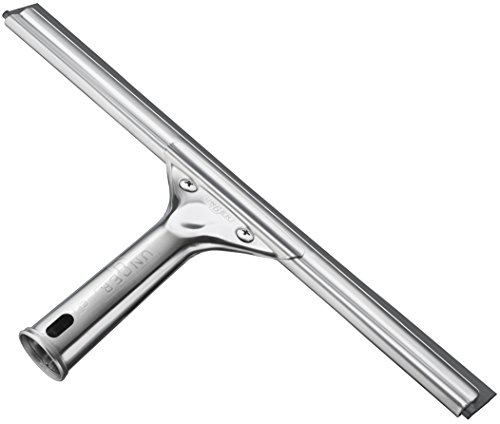
- 12 inch window squeegee professional-grade
- microfiber glass cleaning cloths for windows
- extendable window cleaning pole with scrubber and squeegee kit
- spray bottle or trigger sprayer for cleaning solution
- distilled water (optional, to minimize mineral deposits)
- white vinegar or commercial window cleaner
- soft sponge or non-abrasive scrubber


Before You Start
Assess the window type and coating before cleaning. Avoid abrasive tools on delicate or tinted glass. Protect nearby surfaces with towels or drop cloths, especially around sills and frames. Time estimate: 20–40 minutes per large ground-floor window; more for multi-pane assemblies. Safety note: use a stable ladder or extendable pole for high windows and avoid leaning on frames. Do not mix ammonia-based cleaners with bleach or acids, which can release harmful vapors or damage seals.
Step-By-Step: How To Clean Cloudy Windows
- Prepare a cleaning solution: mix equal parts distilled water and white vinegar, or use a purpose-made window cleaner. Pour into a sprayer for even application.
- Remove loose dust: use a dry microfiber cloth or a soft-bristle brush to lift dust from the glass and frame before applying liquid.
- Apply solution: mist the window generously, focusing on cloudy areas with mineral buildup or film. Let it sit for 30 seconds to loosen deposits.
- Scrub the glass: using the extendable window cleaning pole with scrubber, gently agitate the surface to lift embedded residues without applying excessive pressure that could scratch the glass.
- Rinse and squeegee: start at the top of the pane and pull the 12 inch window squeegee professional-grade in a straight, overlapping stroke. Wipe the rubber blade with a microfiber cloth after each pass to prevent re-depositing dirt.
- Dry and polish: use a clean microfiber cloth to buff the glass and remove any remaining moisture around edges. Use a cotton or microfiber towel to dry sills and frames.
- Inspect for streaks: look at the glass from different angles. If cloudy patches remain, repeat with a fresh microfiber cloth and a light spray, focusing on problem areas.
- Final wipe on edges: run the squeegee along the frame edge to clear any drips and wipe the blade after every pane for consistent performance.
- Prevent future cloudiness: switch to distilled water or a streak-free formula for subsequent cleanings, especially in areas with hard water.
- Maintenance plan: schedule a maintenance clean every 6–12 months for exterior panes, and more frequently if you live in hard water regions or near coastal areas.
- Storage and care: rinse tools after use, air dry, and store in a dry area to prevent mildew or mold on cloths.
- Safety follow-up: inspect weatherproofing and sealants periodically, especially around windows that are older or show condensation buildup.
Troubleshooting
| Symptom | Likely Cause | Fix | Prevention |
|---|---|---|---|
| Streaks after cleaning | Residue from cleaning solution or dirty cloth | Switch to fresh microfiber cloths; wipe with a dry cloth after rinsing | Use distilled water for mixing; rinse blade regularly |
| Cloudiness on sunny days | Rapid drying traps minerals | Clean during cooler parts of the day; use a drying cloth | Avoid sun-driven heat on wet glass |
| Stubborn mineral deposits | Hard water minerals baked onto glass | Apply vinegar solution and let dwell longer; re-scrub with microfiber | Use distilled water for future cleans |
| Scratches or etching | Abrasion from abrasive pads or dirty squeegee blade | Switch to soft pads and keep blade clean | Regular blade maintenance; replace worn squeegee |
Common Mistakes
- Cleaning in direct sunlight or on hot glass, which leads to rapid drying and streaks.
- Using abrasive tools or dirty rags that re-deposit grime.
- Over-wetting frames causing water damage to sills or wooden frames.
- Neglecting to rinse or dry edges, leaving water rings around the frame.
Tips For Best Results
- Always start with dust removal before applying liquid to minimize mud-like smears.
- Use a dedicated window squeegee for glass only to maintain blade sharpness and avoid cross-contamination with other surfaces.
- Switch to microfiber cloths designed for glass to maximize clarity and minimize lint.
- For wide panes, work in vertical or horizontal strokes to ensure even coverage and easier troubleshooting.
- Keep a spare microfiber cloth and a clean squeegee blade on hand during larger projects.
Call A Professional
Consider contacting a pro if windows are multi-pane with difficult seals, have deteriorating glazing, or show persistent clouding despite cleaning. Seek a professional when panes are high, fragile, or if the frame materials require specialized care. Stop and call a window specialist if you notice cracks, gas leaks between panes, or water intrusion around the frame.
FAQ
What causes cloudy windows?
Cloudiness often comes from mineral deposits, soap film, or hard-water staining that adheres to the glass surface.
Can vinegar damage window coatings?
Vinegar is generally safe for most glass surfaces but should be avoided on certain coatings or tinted glass as advised by manufacturers.
How often should I clean windows?
Most homes benefit from exterior cleaning twice a year and interior cleaning every 1–2 months, depending on environmental conditions.
Do I need special tools for hard-to-reach windows?
Yes, an extendable pole with a scrubber and squeegee kit helps access high or awkward panes safely.
Is distilled water necessary?
Distilled water minimizes mineral deposits and can improve streak-free results, especially in areas with hard water.
What should I do with cloudy windows that don’t improve after cleaning?
Persistent cloudiness may indicate internal condensation or seal failure between panes requiring professional assessment.
Are there eco-friendly options?
Yes, use plant-based or water-based cleaners and reusable microfiber cloths to reduce waste.
Buying Guide
When choosing tools to tackle cloudy windows, consider several factors to optimize performance and ease of use. Size and style of windows, access height, and climate influence tool selection.
Key buying factors include size, noise level, energy efficiency, controls, and placement. For most homes, a 12 inch window squeegee professional-grade paired with microfiber glass cleaning cloths for windows offers reliable, streak-free results on standard panes. An extendable window cleaning pole with scrubber and squeegee kit expands reach for exterior cleaning without ladders. Look for ergonomic handles, replaceable blades, and machine-washable cloths to maximize longevity. Consider kits that include both a scrubber head and a squeegee for smoother workflow, especially on larger or multi-pane windows. If you live in a hard-water region, prioritizing tools that work well with distilled water or specialized cleaners can reduce repeated cloudiness. Finally, verify that tools are compatible with your window frames and coatings to avoid accidental damage during cleaning.
Leave a Reply