How to Clean Clothes With Baking Soda
Baking soda is a versatile, nature-friendly option for refreshing fabrics and boosting laundry performance. This guide breaks down practical steps to use baking soda effectively, whether you’re tackling odors, stains, or general brightening. Readers will find actionable methods suitable for everyday laundry and tougher cleaning tasks alike.
Below you’ll find a quick overview, a complete list of tools, safety notes, step-by-step instructions, troubleshooting tips, and a buying guide to help choose the right supplies for your laundry routine.
Quick Answer
Yes, baking soda can be safely used in most loads to soften water, deodorize fabrics, and boost detergent effectiveness. For best results, add baking soda at the start of the wash with your regular detergent, or create a paste for stains before washing. Use about a quarter cup per average load, or follow package directions for your specific laundry booster product.
What You’ll Need
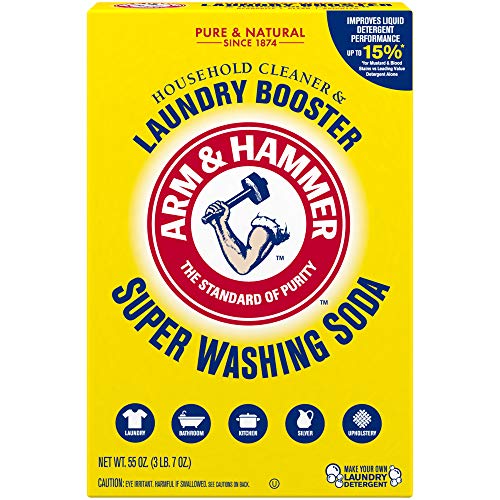
- Measuring scoop baking soda laundry booster
- Laundry stain remover brush for clothes
- Laundry scrub brush long handle


Before You Start
Assess fabric care labels to ensure baking soda use is appropriate. Test a hidden area on delicate fabrics before full application. For odors in towels or activewear, a pre-soak can help. Time estimates vary by method: basic wash cycles require 30–60 minutes, while pre-soaks may take 1–4 hours. Keep baking soda away from bleach or acidic cleaners to avoid unwanted reactions.
Step-By-Step: How To Clean Clothes With Baking Soda
- Read fabric care labels and sort laundry into whites, colors, and delicates.
- Shake out clothes to remove loose dirt and pre-treat stains with a laundry stain remover brush for clothes if needed.
- For general cleaning, add a measured amount of baking soda laundry booster to the drum or to the detergent compartment.
- Start a warm, standard wash cycle with your regular detergent; baking soda helps balance pH and deodorize fabrics.
- For tough odors or mildew on towels, run a second rinse with baking soda to ensure thorough removal of odors.
- For set-in stains, dampen the fabric and apply a baking soda paste (baking soda mixed with a little water) and gently scrub with the laundry scrub brush long handle.
- After washing, check garments before drying; repeat the paste treatment or pre-soak if necessary before a final wash.
- Dry according to fabric care labels. Avoid high heat on delicate fabrics to prevent setting stains.
- Regularly refresh laundry water with a splash of baking soda to maintain odor control in high-use loads.
- Store baking soda in a cool, dry place away from strong odors to preserve effectiveness.
- For persistent odors in persistent items (gym wear, towels), consider a short pre-soak with baking soda for 30–60 minutes before washing.
- Maintain a routine by incorporating baking soda into weekly washes or as needed for odor control and stain management.
Troubleshooting
| Symptom | Likely Cause | Fix | Prevention |
|---|---|---|---|
| Stains not fully removed | Stain set-in or highly pigmented | Reapply baking soda paste and soak 1–2 hours, then rewash | Treat promptly; pre-treat tough stains |
| Fabrics dull or gray after wash | Overloading the washer or insufficient rinsing | Reduce load size; run extra rinse cycle | Don’t overload; use proper detergent amount |
| Residue on clothing | Excess baking soda or detergent mismatch | Run a clean cycle with extra rinse | Balance detergent and baking soda amounts |
| Color fading or bleeding | Direct exposure to baking soda on dark colors | Limit baking soda amount for delicate/dark fabrics | Test on inconspicuous area first |
Common Mistakes
- Using baking soda with bleach or acidic cleaners simultaneously, which can release harmful gases or reduce cleaning effectiveness.
- Overloading the washer, preventing thorough agitation and rinsing.
- Not pre-treating heavy stains, leading to marginal results after washing.
- Relying solely on baking soda for set-in stains without mechanical brushing or soaking.
Tips For Best Results
- For strong odors, run an extra rinse to ensure all baking soda is removed from fabrics.
- Pair baking soda with a trusted detergent for a balanced cleaning action.
- Use a dedicated measuring scoop to maintain consistent amounts across loads.
- Store baking soda in its original container with a tight lid to preserve potency.
- Periodically refresh washers by running an empty hot wash with baking soda to reduce buildup.
Call A Professional
Seek professional help if persistent stains resist treatment after multiple attempts, if fabrics are damaged or discolored, or if there is a strong odor that returns after washing. If you notice mold growth on machine seals, contact a technician for appliance cleaning and maintenance.
FAQ
Can baking soda replace detergent?
Baking soda enhances cleaning but is not a full detergent substitute for most loads.
Is baking soda safe for all fabrics?
Most common fabrics tolerate baking soda, but test delicate materials first.
How much baking soda should I use per load?
A typical guideline is about a quarter cup per standard load, adjusted for water hardness and load size.
Will baking soda whiten whites?
Yes, baking soda can help brighten whites when used with a regular detergent and proper washing cycles.
Buying Guide
When choosing baking soda and related laundry tools, consider size, packaging, and ease of use. For best results, select a pure baking soda powder that dissolves cleanly in water. Look for a measuring scoop to standardize dosing. If odor control is a priority, a dedicated laundry booster product can be convenient and consistent. Consider adding a long-handle scrub brush for tough stains and a stain-remover brush for targeted treatments. Also evaluate whether you want multi-pack options to stock up on essentials for multiple laundry days.
Leave a Reply