How to Clean Clarks Sandals
Clarks sandals combine comfort and style, but routine wear can lead to dirt, stains, and odors. This guide provides a practical, step-by-step approach to clean Clarks sandals effectively while preserving materials and extending their life. It covers common sandal fabrics and offers safe, tested methods you can apply at home.
Quick Answer
For most sandals, surface dirt can be brushed away, special cleaners are used on leather, and fabric or suede areas receive gentle brushing and spot-cleaning. Always air-dry away from direct heat and moisture to protect adhesives and materials.
What You’ll Need
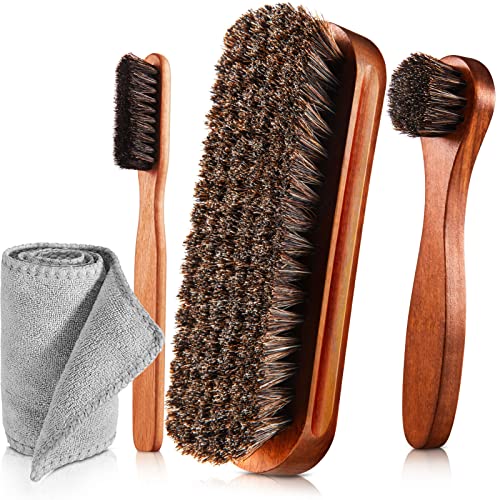
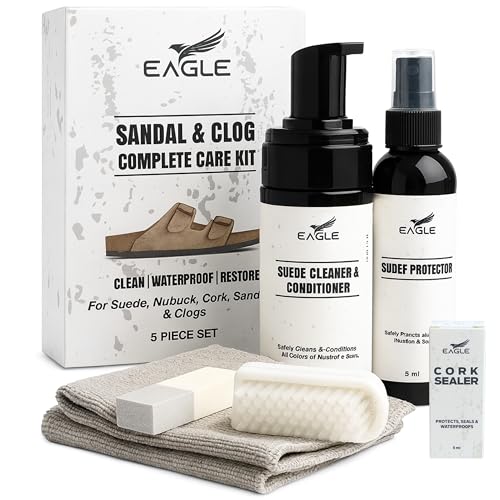
- Leather sandal cleaner kit with soft brush
- Suede nubuck sandal cleaning brush with cleaner
- Microfiber cleaning cloth sandal care spray

Before You Start
Inspect each sandal for wear, loose stitching, or sole separation. Test cleaners on a hidden area first to avoid color transfer. Surface prep includes removing loose dirt with a dry brush, loosening grime with a damp cloth, and blotting excess moisture. Time estimate: 15–45 minutes per pair, plus drying time. Avoid soaking leather or suede completely, which can damage the material and integrity of the sandals.
Step-By-Step: How To Clean Clarks Sandals
- Remove loose dirt and debris with a dry soft-bristle brush, focusing on the straps and footbed seams.
- For leather areas, apply a small amount of leather-specific cleaner to a microfiber cloth and wipe in gentle circular motions.
- Use the leather cleaner kit’s soft brush to lift embedded dirt from seams and stitching without abrading the material.
- For suede nubuck sections, apply the suede nubuck cleaner with the included brush; brush in one direction to lift nap and restore texture.
- Spot-clean stubborn stains with a damp microfiber cloth, using minimal moisture to prevent water rings or staining on leather and suede.
- Wipe away cleaner residues with a clean, dry microfiber cloth and allow sandals to air-dry away from heat sources and direct sunlight.
- Optional: apply a suede protector or leather conditioner after drying, following product instructions for best results.
- Re-inspect the sandals for any remaining spots; repeat gentle cleaning if needed, avoiding aggressive scrubbing on delicate materials.
- Reassemble any detachable insoles if present and ensure all components are dry before wearing.
- Store in a cool, dry place and keep away from direct sunlight to prevent fading and material damage.
- Regular maintenance: brush weekly to prevent buildup and treat stains promptly to maintain color and texture.
- For persistent odors, sprinkle a small amount of baking soda inside the footbed after drying, then brush out before next wear.
Troubleshooting
| Symptom | Likely Cause | Fix | Prevention |
|---|---|---|---|
| Stains won’t lift from leather | Oil-based stain | Use a leather-specific stain remover; repeat as needed | Treat quickly; avoid rubbing in deeply |
| White residue after cleaning | Detergent residue | Wipe with a damp cloth, then dry thoroughly | Use minimal cleaner; thorough rinsing is essential |
| Nap loss on suede | Excessive brushing | Brush lightly with suede brush in one direction | Brush only as needed to refresh texture |
| Fragile stitching or glued parts show distress | Over-wetting or harsh scrubbing | Switch to gentler cleaning; allow longer drying time | Avoid soaking sandals; clean with care |
Common Mistakes
- Using aggressive household cleaners not designed for leather or suede
- Fully soaking sandals, especially leather and adhesives
- Skipping pat-down test on hidden areas before broad cleaning
- Drying in direct sun or high heat, which can crack or fade materials
Tips For Best Results
- Test cleaners on a discreet area first to check colorfastness.
- Brush suede in the direction of the nap for best texture restoration.
- Use a microfiber cloth to prevent lint and scratches on smooth surfaces.
- Allow ample drying time between cleaning steps to prevent odor and mold.
- Store sandals with breathable materials and avoid crushing the shape.
Call A Professional
Consider professional service if sandals show significant damage, persistent odors, or cracks in the sole. Stop cleaning and seek expert help if any adhesive loosens, stitching frays, or padding becomes compromised.
FAQ
Can I clean Clarks sandals with water alone?
Water alone can remove surface dirt but may not lift oils or stains; use a cleaner appropriate for leather, suede, or fabric as needed.
Is it safe to use a hair dryer to speed up drying?
No. Excess heat can warp materials and loosen adhesives. Air-dry at room temperature instead.
How often should I clean canvas or fabric straps?
Clean as needed to prevent buildup; routine light brushing after wear helps maintain appearance.
What if the color transfers to the material?
Stop cleaning, blot the area, and test a color-safe cleaner on a hidden spot; consider professional cleaning for delicate finishes.
Buying Guide
When selecting cleaning supplies for Clarks sandals, consider material compatibility and ease of use. Key factors include:
- <bSize and fit: Choose products that come in kit sizes suitable for the typical surfaces on your sandals (leather, suede, fabric).
- <bNoise level: Cleaning brushes with soft bristles minimize noise and prevent abrasion.
- <bEnergy efficiency: Manual cleaning reduces energy use; power tools are unnecessary and potentially risky for delicate materials.
- <bControls: Simple spray bottles or brushes with clear instructions help ensure proper application.
- <bPlacement: Store cleaners in a cool, dry place away from sunlight and out of reach of children or pets.
Leave a Reply