How to Clean Chloe Sandals Safely
Chloe sandals, like many fashionable leather and suede footwear options, benefit from a careful cleaning routine to preserve color, texture, and finish. This guide provides step‑by‑step instructions, practical product recommendations, and safety tips to keep sandals looking and feeling fresh.
Quick Answer
Remove loose debris with a soft brush, tackle spots using a leather or suede cleaner, and finish with a microfiber cloth to buff dry. For best results, use a dedicated cleaning kit designed for leather and suede and test a small area first.
What You’ll Need
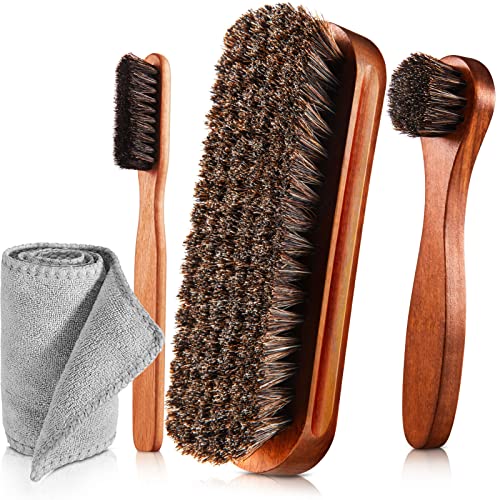
- Leather sandal cleaning brush set
- Suede and leather shoe cleaning kit with brush and eraser
- Microfiber cloth and shoe cleaning spray kit for sandals


Before You Start
Prepare a clean, well-lit workspace and remove any removable straps or accessories to avoid soaking metal hardware. Test cleaners on an inconspicuous area before applying broadly to avoid discoloration. Allow ample drying time away from direct sunlight or heat sources to prevent leather from becoming stiff or cracked. Expect a 15–45 minute process per pair, depending on material and stain depth.
Step-By-Step: How To Clean Chloe Sandals
- Inspect each sandal for material type: leather panels, suede sections, and rubber soles require different care.
- Gently brush away surface dust with a soft-bristle brush designed for leather or suede.
- For leather areas, apply a small amount of leather cleaner to a damp microfiber cloth and rub in gentle circular motions.
- For suede panels, use a suede brush and, if needed, a suede eraser to lift embedded stains. Avoid saturating suede with moisture.
- Wipe away cleaner residue with a clean, slightly damp microfiber cloth; let dry completely away from heat.
- Refresh white or light-colored soles with a mild, water-based cleaner, taking care not to bleed onto leather or suede.
- Recondition leather with a compatible leather conditioner after drying to maintain suppleness.
- Reassemble any removable parts and fluff nap on suede with a suede brush for a uniform texture.
- Apply a protective spray designed for leather or suede to help repel future stains—test first on a hidden area.
- Store sandals in a cool, dry place with forms or tissue to maintain shape.
- Inspect after wear for any remaining spots and repeat limited cleaning as needed.
- Record cleaning notes (products used, stain types) for future touch-ups.
Troubleshooting
| Symptom | Likely Cause | Fix | Prevention |
|---|---|---|---|
| Stubborn stain on suede | Oil or grease | Apply suede cleaner and use eraser gently; repeat as needed | Address spills quickly; avoid oily products |
| Leather looks dull after cleaning | Cleaner residue | Wipe with clean damp cloth, dry, then condition | Test in small area; use minimal product |
| Water spots on leather | Excess moisture | Blot with microfiber, air-dry away from heat | Use sparingly; apply conditioner after drying |
| Nap restoration on suede | Flattened nap | Brush with suede brush in one direction | Store in breathable bag to minimize crushing |
Common Mistakes
- Over-wetting leather or suede, which can cause stiffness or damage
- Using household cleaners not formulated for leather or suede
- Skipping a patch test on a hidden area before full application
- Rubbing vigorously, which can swirl colors or wear away nap
Tips For Best Results
- Always start with a dry clean to remove loose dirt before applying liquids
- Use products labeled for leather or suede and follow the manufacturer’s directions
- Work in a cool, shaded area to avoid rapid drying or color changes
- Store cleaned sandals with form inserts to preserve shape
- Consider a periodic conditioning routine for genuine leather pairs
Call A Professional
Seek professional cleaning if sandals have deep dye transfer, significant structural damage, or delicate ornamentation that could be harmed by household cleaners. Stop using cleaners if there is cracking, severe color bleeding, or unpleasant odor indicating material degradation.
FAQ
Can I clean Chloe sandals at home with household products?
Home products can work in a pinch, but dedicated leather and suede cleaners reduce risk of damage and preserve color.
Should I remove straps or buckles before cleaning?
Yes, remove removable parts to access all surfaces and prevent metal tarnish from cleaners.
How do I dry sandals after cleaning?
Air-dry away from heat sources; avoid direct sun to prevent fading and cracking.
Is it okay to use conditioner on suede?
Conditioners are generally not recommended for suede; use suede-specific treatments or cleaners instead.
Buying Guide
Choosing cleaning tools for Chloe sandals depends on material and care needs. Consider these factors to compare options effectively:
- Material compatibility: Leather vs. suede require different products and accessories.
- Cleaning kit contents: Look for sets that include brushes, erasers, microfiber cloths, and spray cleaners designed for sandals.
- Ease of use: Kits with pre‑moistened wipes or spray bottles can speed up routines.
- Drying and finishing: Consider conditioners or protective sprays that suit leather or suede finishes.
- Brand reputation: Choose reputable brands with clear instructions and safe formulations for footwear.
- Coverage: Ensure the kit covers both leather and suede areas, plus the sole.
Typical decision questions include: Do you need a brush set for detailed areas? Is a suede eraser included for stubborn spots? How portable is the kit for travel? Answering these helps align with cleaning frequency and sandal usage.
Leave a Reply