How to Clean Chains Effectively
Regularly cleaning a bicycle chain helps extend its life, improves shifting, and maintains efficient pedaling. This guide focuses on practical, safe methods using common bike care tools. Readers will learn a straightforward process to remove grime, assess wear, and re-lubricate for peak performance.
Quick Answer
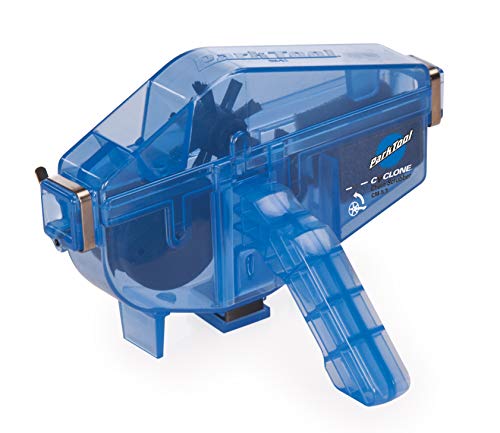
Use a chain scrubber tool bicycle or bicycle chain cleaning tool kit to soak and agitate the chain, then wipe clean and apply lubricant. For stubborn grime, repeat with a clean brush and fresh degreaser, ensuring all solvent is fully dried before riding.
What You’ll Need
- bicycle chain cleaning tool kit
- chain scrubber tool bicycle
- bicycle chain cleaning brush set
- degreaser or chain-cleaning solvent
- rag or microfiber cloth
- lubricant suitable for bicycle chains


Before You Start
Prepare a well-ventilated workspace and place the bike on a sturdy stand or a safe, stable surface. Use a secure hold to prevent the bike from tipping. Avoid getting solvent on painted surfaces or bearings, and wear gloves to protect skin. Plan about 15–30 minutes for the process depending on grime level. If the chain shows severe rust or stiffness, allow extra time or consider replacement.
Step-By-Step: How To Clean Chains Effectively
- Shift to the smallest chainring and smallest rear cog to expose the full length of the chain for cleaning.
- Apply degreaser to the chain and install the chain in the bicycle chain cleaning tool or use a brush to work degreaser between links.
- Operate the chain scrubber tool bicycle according to its instructions to agitate and loosen grease from every link.
- Rinse or wipe away the dissolved grime with a rag, then reapply degreaser if heavy buildup remains.
- Dip a clean brush or cloth in degreaser and scrub the outside of the chain to remove remaining sediment.
- Rinse the chain area with clean water or wipe thoroughly until no solvent remains. A dry towel helps speed evaporation.
- Reinstall the chain into the drivetrain and rotate the pedals to ensure smooth motion while maintaining a relaxed pace to avoid over-lubricating.
- Apply a few drops of lubricant to the inner plates while turning the crank slowly; wipe off excess lube to prevent attracting more dirt.
- Check for stiff links by flipping the bike and manually moving the pedals. If any links resist motion, repeat lubrication and gentle work with a brush.
- Test ride briefly in a safe area to verify shifting improves and there is no squeaking or skipping. Reapply lubricant if needed after the ride.
- Store tools and solvents safely, and keep the chain dry when not in use to prevent rust.
Troubleshooting
| Symptom | Likely Cause | Fix | Prevention |
|---|---|---|---|
| Squeaking after cleaning | Insufficient lubrication | Apply a light coat to the inner plates and wipe off excess | Lubricate after every ride in dry conditions |
| Stiff links | Residual grime or corrosion | Scrub with a chain cleaning brush set and re-lubricate | Regular clean after long rides or muddy conditions |
| Chain slips or poor shifting | Chain wear or misalignment | Inspect for wear; replace chain if elongated; adjust derailleur | Clean and lubricate consistently to prevent buildup |
| Rust developing on links | Moisture exposure without lubrication | Clean, dry thoroughly, and apply rust-inhibiting lube | Store bike in dry area; wipe chain after rain |
Common Mistakes
- Using excessive degreaser, which can rinse away lubricant too aggressively
- Leaving solvent on the chain too long without rinsing or drying
- Over-lubricating, causing dirt to cling to the chain
- Neglecting to clean the chainrings and cassette along with the chain
By avoiding these missteps, chain life and shifting performance improve noticeably.
Tips For Best Results
- Choose a bicycle chain cleaning tool kit that fits your chain width and drivetrain configuration for faster cleaning.
- Clean chains in a consistent pattern: front to back, then outer surfaces, for uniform coverage.
- Let the chain dry completely before applying lubricant to prevent dilution and washout.
- Use a suitable lubricant for your climate—dry lube for dusty environments, wet lube for wet rides.
- Periodically inspect chain wear with a ruler or wear gauge and replace when stretched beyond recommended limits.
Call A Professional
Seek professional help if the chain shows severe rust, visible elongation beyond service limits, or persistent skipping that does not improve after cleaning and lubrication. Also contact a pro if the drivetrain alignment seems off or if shifting remains rough after routine maintenance.
FAQ
How often should I clean my bicycle chain?
Clean as needed after muddy or dusty rides, and perform a light clean every 1–2 weeks during regular riding. More frequent cleaning is beneficial for wet or sandy conditions.
Can I reuse degreaser from previous cleanings?
Reusing degreaser is not recommended; fresh degreaser ensures effective grime breakdown and reduces residue transfer.
What’s the best lubricant for a dry climate?
Light-weight or dry lubricants reduce dirt attraction in dry conditions, while protecting against wear. Reapply after rides in dusty weather.
Is a chain scrubber tool necessary?
Not strictly necessary, but a dedicated chain scrubber speeds up cleaning and ensures grit is removed from hard-to-reach links.
Should I clean the chain while the bike is in the stand or on the ground?
Using a bike stand provides stability and makes the process easier and cleaner, but cleaning on the ground is workable if you secure the bike well.
When should I replace the chain?
Replace when the chain shows significant wear or elongation, or if corrosion is extensive despite cleaning and lubrication.
Can I clean the chain without removing it from the bike?
Yes, but a full removal makes thorough cleaning easier. For quick maintenance, modern chain scrubbers still work well mounted on the bike.
Buying Guide
Choosing the right chain cleaning setup involves considering size compatibility, noise level during use, energy efficiency of the cleaning action, and control over the cleaning process. Be mindful of the drivetrain width and the number of speeds, as some bicycle chain cleaning tool kit options fit 6–11-speed systems while others support wider or narrower chains. Look for a model that minimizes splatter and is easy to disassemble for thorough scrubbing. Noise should be low and predictable, especially for indoor maintenance areas. A robust, ergonomic handle improves control and reduces hand fatigue. When comparing products, consider how the chain scrubber tool bicycle integrates with your existing tools and storage space. Placement matters too: a clean, ventilated workspace with a nearby sink simplifies cleanup and ensures safe disposal of used solvents. For many riders, a compact bicycle chain cleaning brush set paired with a compatible degreaser provides reliable performance at a reasonable price. If you ride in mud-prone or coastal environments, opt for models that allow easy rinsing and quick drying. Always verify that the kit supports the chain width and speeds on your bike to avoid compatibility issues.
Leave a Reply